ChatGPT vs Perplexity vs Gemini vs AI Overviews: Whose Citations Can You Trust
Summary: AI engines cite sources very differently. This guide compares how ChatGPT, Perplexity, Gemini, and AI Overviews cite, scores them on 3 dimensions, and gives 3 GEO takeaways to lift your citation odds across engines.
As AI generates answers directly, users click blue links less often, and brands start asking "did the AI cite me". But ChatGPT, Perplexity, Gemini, and AI Overviews do not cite the same way. Understanding the differences is how you target GEO effectively.
I. Why Comparing Citations Matters
Citation is not an on/off switch; it is a combination of "how it cites, who it cites, and whether you can influence it". The same brand may appear often in Perplexity and barely in Gemini. Watching only one engine badly misjudges your GEO results.
II. How the 4 Engines Cite Differently
- ChatGPT: relies on retrieval-augmented generation (RAG) and a browser tool; citations appear as footnotes or inline links, favoring authoritative media and documents.
- Perplexity: built around "answers with citations" as the core product; nearly every sentence is traceable, drawing from news, papers, and official sites.
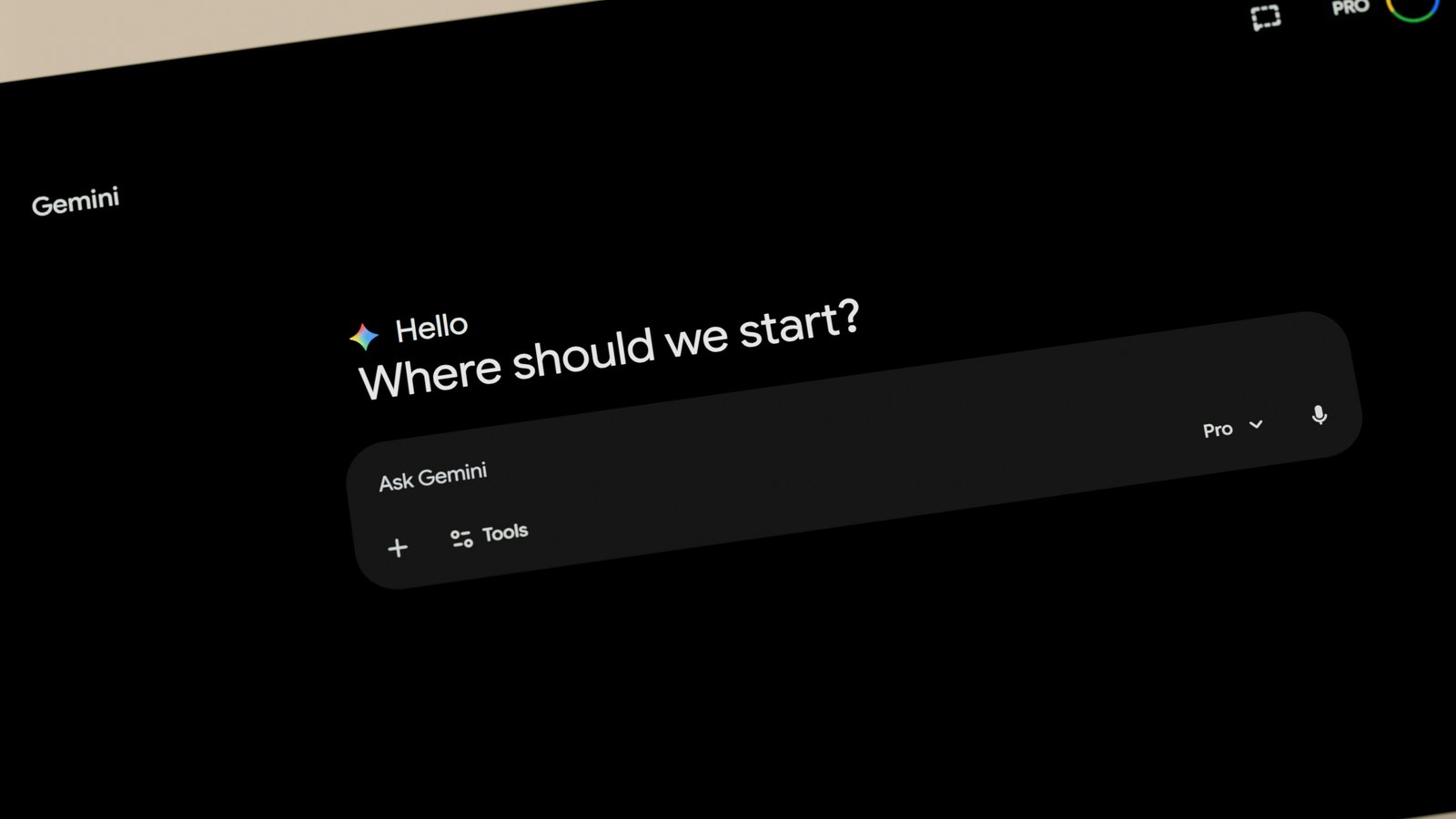
- Gemini: deeply tied to the Google ecosystem; tends to cite Google-owned services and high-authority pages, with high weight on structured data.
- AI Overviews: sits at the top of Google search results, aggregating multiple sources with attribution, and is sensitive to E-E-A-T and structured data.
III. Three Evaluation Dimensions
- Citation transparency: highest in Perplexity, next in ChatGPT, presented as a source list in AI Overviews, and harder to verify independently in Gemini due to ecosystem integration.
- Source preference: ChatGPT leans to authoritative media, Gemini to Google-owned and high-authority pages, Perplexity to diverse real-time sources.
- Influencability: structured data, clear authorship and publish info, and authoritative outbound links generally work for all three; AI Overviews additionally rewards E-E-A-T signals.
IV. Three GEO Takeaways
- Do not optimize for one engine only; the 4 engines' preferences require content that is both authoritative and diverse.
- Structured data (FAQ, HowTo, Article) is especially critical for Gemini and AI Overviews.
- Transparent authorship and verifiable sources broadly raise citation odds, making them the highest-leverage baseline move.
V. How Tengence GEO Adapts Across Engines
Tengence GEO uses a GEO+SEO dual-engine positioning: one optimization lifts both search ranking and AI citation rate, covering 10+ mainstream AI engines and multiple languages. It turns "structured data plus multilingual plus citation alignment" into a reusable workflow, so teams avoid maintaining separate content for each engine.
Key Takeaways
- The 4 mainstream AI engines (ChatGPT, Perplexity, Gemini, AI Overviews) cite very differently.
- Evaluate citations on 3 dimensions: transparency, source preference, and influencability.
- Perplexity is the most transparent, Gemini leans to the Google ecosystem, and AI Overviews reward E-E-A-T and structured data.
- Three GEO takeaways: balance authority and diversity, prioritize structured data, and use transparent authorship to lift citations.
- Do not stake GEO results on a single engine; multi-engine differences demand that content meets both criteria.
- Tengence GEO's dual-engine optimization covers 10+ engines, removing per-engine maintenance.
FAQ
Q: Which engine's citations are most worth optimizing for GEO?
A: It depends on where your users get answers. Perplexity and ChatGPT matter for research and decision queries; Gemini and AI Overviews cover broad Google search scenarios. Cover them along the user path rather than betting on one.
Q: Which engines does structured data help?
A: It is especially critical for Gemini and AI Overviews, clearly raising the odds of being aggregated and attributed; it also helps ChatGPT and Perplexity because clear structure is easier to retrieve and understand.
Q: With limited resources, which should a small team optimize first?
A: Start with the low-cost set of transparent authorship, clear sources, and basic structured data; it works broadly across the 4 engines and is the highest-leverage starting point.
Q: Are AI Overviews and Gemini the same thing?
A: No. AI Overviews is the answer aggregation at the top of Google search; Gemini is a standalone chat product. They overlap underneath but differ in presentation and trigger scenarios, so GEO strategy must treat them separately.
Q: Do more outbound links mean more citations?
A: No. Engines weigh source quality and relevance over quantity. A few high-authority, high-relevance links beat many low-quality ones.
Q: Can Tengence GEO cover all 4 engines at once?
A: Yes. Tengence GEO's dual-engine optimization targets both search and AI citation in one pass, covering 10+ mainstream AI engines and multiple languages, with no need to maintain content per engine.