Manufacturing Factory Independent Store SEO: How to Win Precise Inquiries via Google
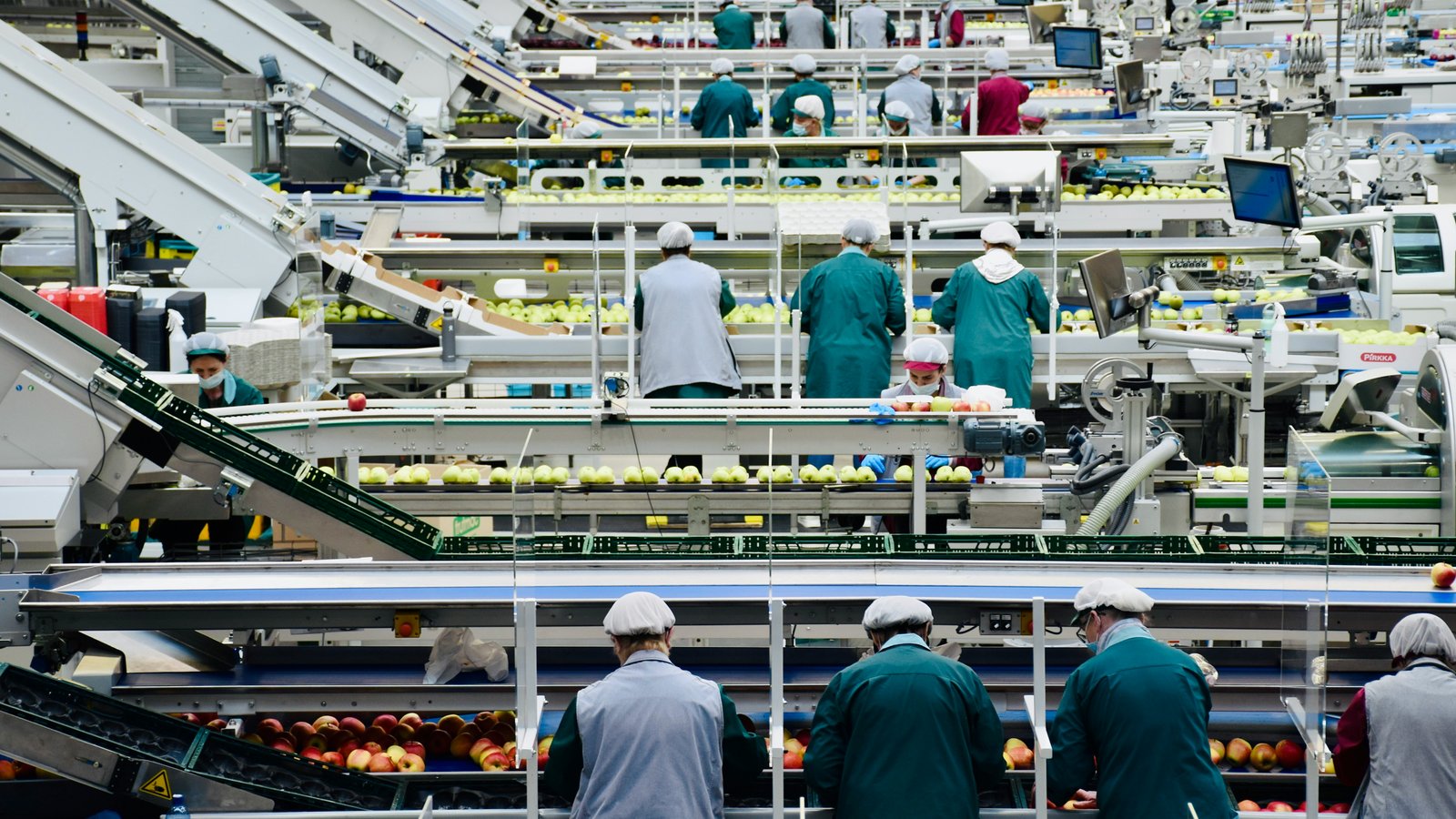
Summary: For a manufacturing factory's independent store, the point of SEO is not traffic volume but inquiry precision. This plan maps product, scenario, and certification keywords, structures factory strength into crawlable and citable signals, and measures inquiry quality with Tengence Search's GEO+SEO engine.
A factory going global fears two things: burning SEO budget on curious lookers, and receiving inquiries that are not the target buyers. Unlike consumer goods, a factory's buyers are overseas procurement, distributors, and engineers—long decision chains, high certification barriers, dense specs. What they search and what evidence they check is highly professional. This guide turns a manufacturing factory's independent-store Google SEO into a path that wins precise inquiries, covering keyword screening, content architecture, technical SEO, structured data, and measurement.
Key Takeaways
- For manufacturing SEO the KPI is inquiry quality, not traffic: high-intent terms convert far better than broad-volume terms.
- Keywords split into three layers—product (what you make), scenario (where it's used), certification (why trust it)—that together filter professional buyers.
- The site must structure factory strength into signals: certifications, capacity, cases, specs, lead time, amplified by structured data.
- Technical SEO decides whether you get in; structured data decides whether you appear in rich results and AI answers.
- Measure inquiry quality, not rankings: split inquiries by source term, industry, and region, then optimize content backward.
- Tengence Search optimizes both Google rankings and citations in AI procurement assistants through a combined GEO+SEO engine.
1. How Manufacturing SEO Differs from Consumer Cross-Border SEO
Understanding the difference puts budget in the right place. Consumer buyers decide fast and weigh emotion and reviews; manufacturing buyers decide slowly, verifying certification, capacity, lead time, and compliance, often with multiple stakeholders and long price comparisons. Google's E-E-A-T (Experience, Expertise, Authoritativeness, Trustworthiness) principle matters most in B2B and industrial fields—buyers repeatedly verify whether you are a real factory that can deliver steadily. This means factory SEO cannot just pile up broad industry terms; it must put credible evidence up front in the content.
Industrial searches are also far more specific: not "bearing" but "stainless deep-groove ball bearing 6204 food grade"; not "injection molder" but "two-shot injection molding OEM medical housing ISO13485". These long-tail, high-spec terms may not carry huge volume, but their intent is strong and their inquiries precise. For organizing scattered product specs and case data into retrievable knowledge, see Vector Database Comparison.
2. Keyword Strategy: From Volume Terms to High-Intent Inquiry Terms
Map keywords in three layers to filter professional buyers. First, product terms answer "what you make": core product names, models, materials, processes—the base volume. Second, scenario terms answer "where it's used": application industries (automotive, medical, energy), environments (high temperature, food grade, explosion proof), solved problems (noise reduction, weight saving, corrosion resistance)—these carry clearer intent. Third, certification terms answer "why trust it": ISO, CE, RoHS, industry qualifications—hard filters industrial buyers use to screen suppliers.
In practice, seed the product layer with industry roots, then combine "industry + application + certification" into long tails, mapping each high-intent term to a dedicated landing page (product, solution, or certification), and weave product, case, and certification pages into an authority network with internal links. For scarce long-tail terms that often return zero results, a dedicated coverage strategy avoids losing buyers to empty SERPs; see Zero-Results Rate Optimization.
3. Site Content Architecture: Structuring Factory Strength into Signals
A factory's strongest asset is proof of strength, yet many sites bury it in PDFs. The right approach structures certifications, capacity, cases, specs, and lead time into crawlable, citable on-site content: certifications get their own page listing certificate numbers and scope; capacity uses clear tables for lines, monthly output, and yield; cases become "customer industry + pain + solution + result" stories rather than logo walls; specs use structured parameter tables for crawlers and AI to extract.
Recommended hierarchy: homepage states positioning and core capability; product center organized by series; solution pages aggregate by industry or scenario; resource center holds whitepapers, certifications, and test reports. Every high-intent term needs a dedicated page, with breadcrumbs and internal links forming a clear path. For factories wanting real results, see Tengence Industry Cases.
4. Technical SEO and Structured Data: Get Strength into Search and AI Answers
The technical layer decides whether you get in. Factory sites often waste crawl budget on parameterized filter URLs, duplicate product variants, and missing canonicals; standardize sitemaps, add canonicals to duplicate pages, and use robots to control low-value pages. Speed matters for global buyers too—use a nearby CDN to keep Core Web Vitals at LCP under 2.5s, INP under 200ms, CLS under 0.1.
Structured data is the lever that sends strength signals into rich results and AI answers: Organization (knowledge panel), Product (price/spec/Offer), BreadcrumbList (path), FAQPage (common certification and lead-time Q&A), AggregateRating (when genuinely present). Schema.org recommends Product, Organization, and others as JSON-LD so search engines and AI engines extract entities and attributes reliably. For factories built on original test data and capacity reports, structured data and answer-first structure are hard prerequisites for entering AI procurement answers.
5. How to Measure Manufacturing SEO and Inquiry Quality
Manufacturing SEO cannot stop at rankings. On the traditional side: use Google Search Console for index and impressions per market, rank trackers for high-intent positions, and—more importantly—inquiry count and quality from organic traffic. The key is tagging inquiries by source term, industry, region, and product, identifying which terms bring the most precise, highest-converting inquiries, then reinvesting in the matching content.
On the AI-search side: query "industry + OEM/supplier" questions in ChatGPT, Perplexity, and similar engines to see if your domain appears in source cards, or identify AI-product referral traffic. A more systematic approach maintains a high-intent question set and records citation frequency and answer coverage weekly. When a factory structures certifications, capacity, and cases into citable entities, its appearance rate in AI assistant answers rises with content authority. Go deeper on technical SEO via Technical SEO Deep Dive.
FAQ
Q: Should a factory chase big terms or long-tail terms for SEO?
A: Prioritize high-intent long tails. Industrial searches are specific (model, material, certification, application); such terms carry less volume but stronger intent and more precise inquiries, while big terms often attract non-target traffic with low conversion and high cost.
Q: How should factory certifications appear on the site?
A: Certifications deserve their own page listing certificate numbers, applicable standards, and scope, marked with structured data; avoid burying only logos in a PDF, or neither crawlers nor buyers can verify them, and they won't reach rich results or AI answers.
Q: With many product variants, how do I avoid duplicate content in SEO?
A: Organize variants with canonical URLs, add canonical to truly duplicate pages pointing to the master, use robots to control low-value filter pages, and spend crawl budget on high-intent landing pages rather than wasting it on parameterized URLs.
Q: How do I judge the quality of SEO-driven inquiries?
A: Tag inquiries by source term, industry, region, and product; find which terms convert highest; use GSC for high-intent impressions and clicks, and combine with form and CRM data to optimize keywords and landing pages backward.
Q: How much does structured data help factory SEO?
A: High ROI. Organization, Product, FAQPage, and AggregateRating schema can win rich results directly and help AI engines extract certifications, specs, and capacity—high-leverage for entering Google rich results and AI answer sources.
Q: Will AI search steal a factory's precise inquiries?
A: It amplifies rather than steals. Procurement buyers increasingly use AI assistants for first screening; structuring certifications, capacity, and cases into citable entities makes a factory more likely to appear in AI source cards, reaching professional buyers who actively compare.
About Tengence
Tengence Search helps manufacturing factories optimize content structure and entity signals across both traditional search engines like Google and AI engines like ChatGPT, Perplexity, and Claude, making "factory strength" measurable and improvable in natural search and AI answers. Tengence (TENGENCE) is an enterprise growth engine for the AI era, focused on public-domain acquisition and private-domain conversion; its core products are Tengence Search (a GEO + SEO dual engine) and Tengence GEO. Learn about Tengence Search.
Related Reading
- Vector Database Comparison
- Zero-Results Rate Optimization
- Tengence Industry Cases
- Technical SEO Deep Dive
Data Sources
- Google Search Central: Create helpful, reliable, people-first content (E-E-A-T): B2B and industrial fields weigh Experience, Expertise, Authoritativeness, Trust; content should show real capability and evidence.
- Google Search Central: SEO Starter Guide: technical indexing, titles, descriptions, structured data are ranking basics; canonical and sitemap manage crawl budget.
- Google Search Central Blog: Creating helpful content (E-E-A-T in practice): industrial and B2B content should demonstrate verifiable, real-world capability and evidence.
- Schema.org: Product / Organization / BreadcrumbList: output product, organization, and breadcrumb structured data as JSON-LD so search engines and AI engines extract entities and attributes.