

Technical SEO Deep Dive: Indexing, Rendering, and Crawling Mechanisms
Technical SEO decides if you can be found and cited by AI: crawl, index, render. In 2026 Googlebot renders in two waves, so key content must live in raw HTML.
Oct 25, 2026
Technical SEO decides if you can be found and cited by AI: crawl, index, render. In 2026 Googlebot renders in two waves, so key content must live in raw HTML.
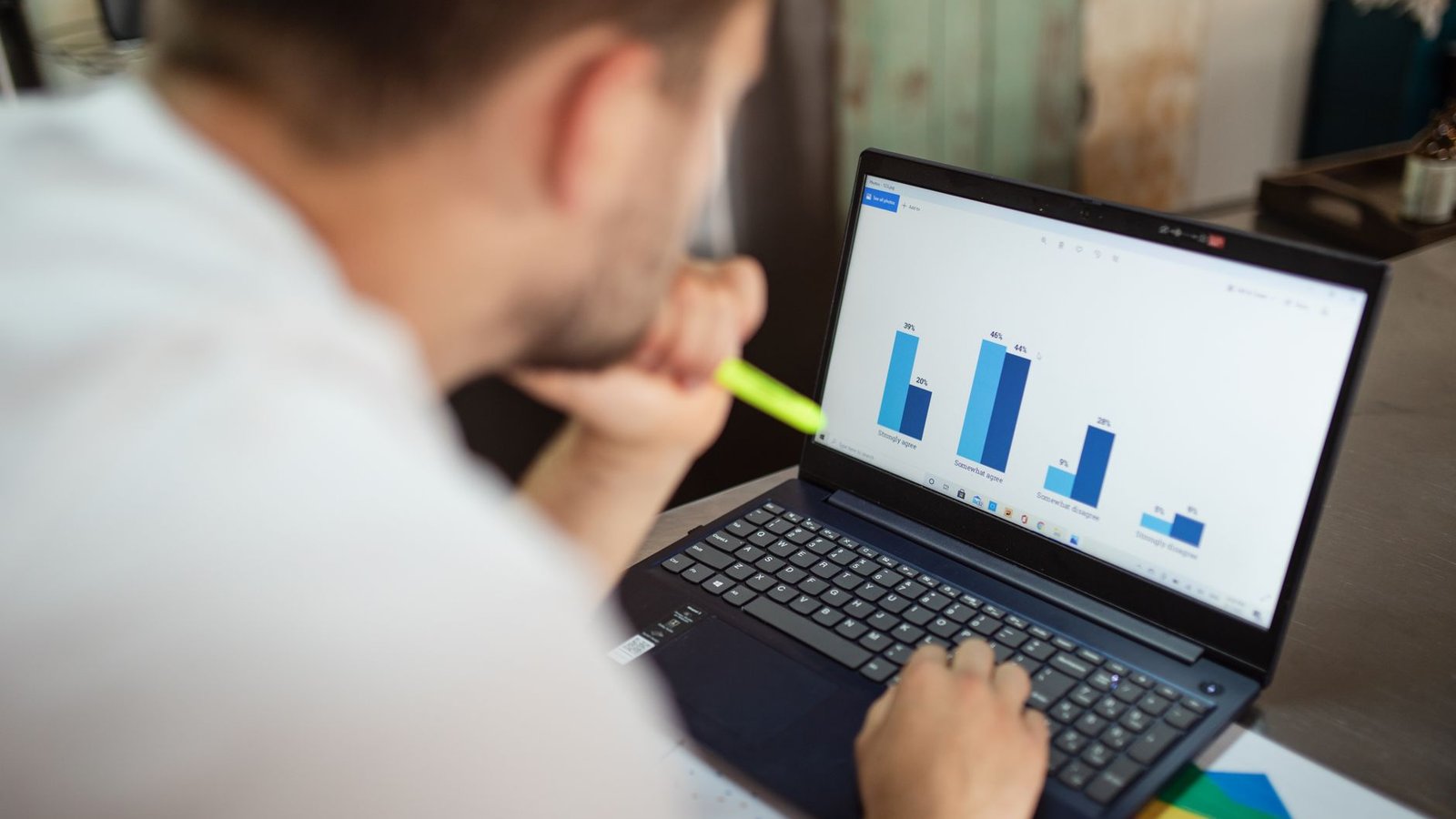
Search is only data-driven if tracking is right: four must-collect events, timing, dedup, zero-result and rewrite tracking, and log-to-dashboard flows.

Enterprise search-recommendation is entering its fourth generation: rules, ML ranking, vectors, and LLM agents. We cover six trends and three moves to prepare.

Search-recommendation systems win on feedback, not models. We cover signal weights, bias correction, three update cadences, and a flywheel health check.

Can't find it? The right result often never entered the pool. Seven recall moves: understanding, synonyms, multi-path recall, vector fill-in, field coverage.

Search ranking dropped? Don't touch the ranker first. Rule out false drops, diagnose by metrics, find root cause via rollback, then recover in three phases.

Enterprise search turns scattered needs into one pipeline, one query service, one permission system. Covers architecture, hybrid retrieval, and reranking.
Search and CRO are one funnel: visibility decides volume, conversion decides value. This guide maps intent to page types and lists on-site search levers.
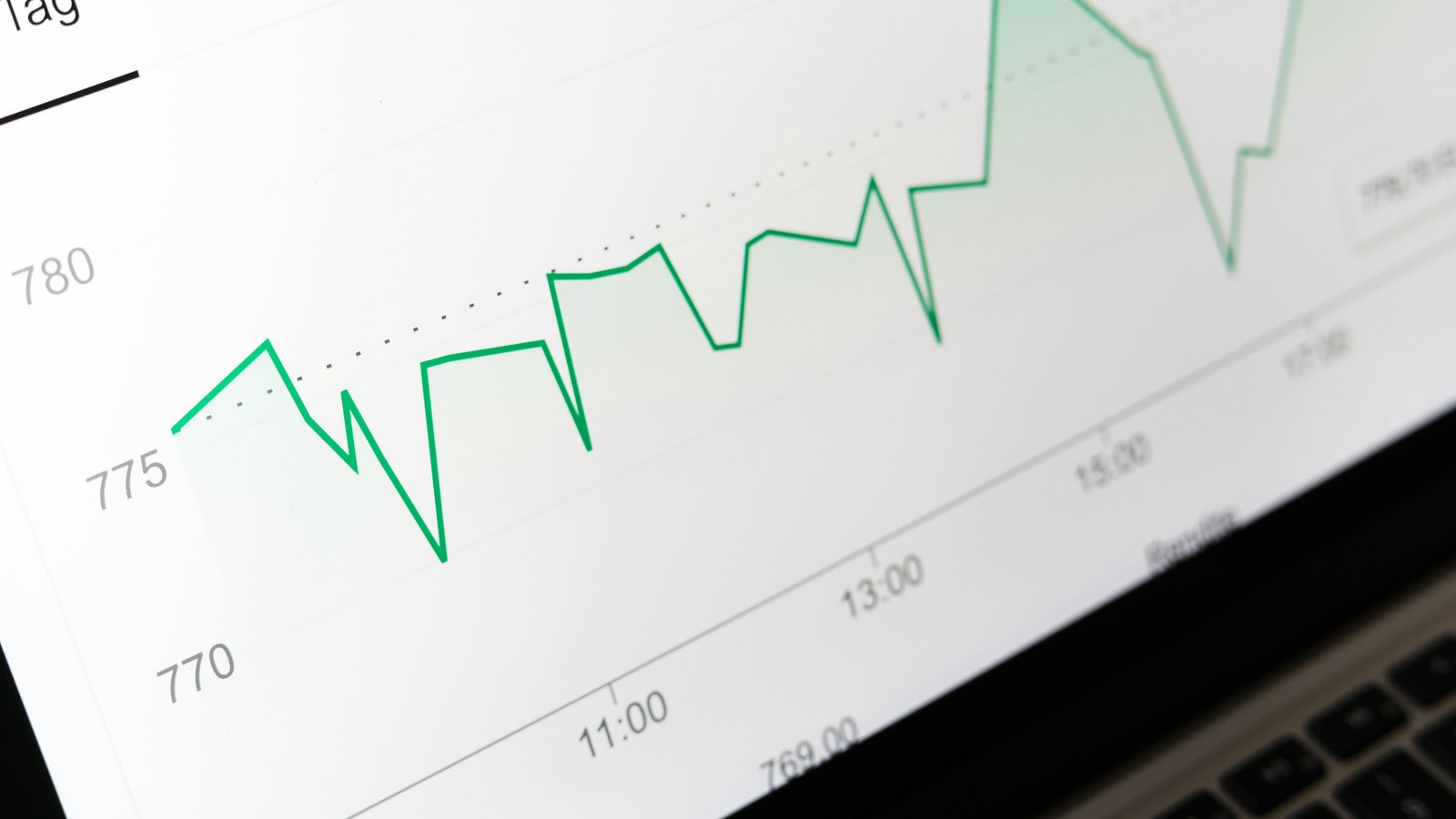
A search dashboard only matters when anomalies drive action. This guide organizes metrics into scale, quality, and value with a reference target per layer.

Structured data (Schema.org + JSON-LD) is the closest thing to an API for AI search: it writes page facts as machine-readable data so AI cites you, not guesses.

WeCom