

The Complete Guide to A/B Testing: Sample Size, Duration, and Significance
How to size an A/B test, set the right duration, and judge significance: sample size, MDE, full business cycles, fixed stopping rules, multiple-testing fixes.
Oct 8, 2026
How to size an A/B test, set the right duration, and judge significance: sample size, MDE, full business cycles, fixed stopping rules, multiple-testing fixes.

Build a tagging system in order: unify IDs, layer factual, statistical and model tags with time decay and lifecycle governance, deploy and verify impact.

Conversion rate down: diagnose first - confirm measurement, break down traffic and funnel, check trust and friction, then pinpoint the page and action.
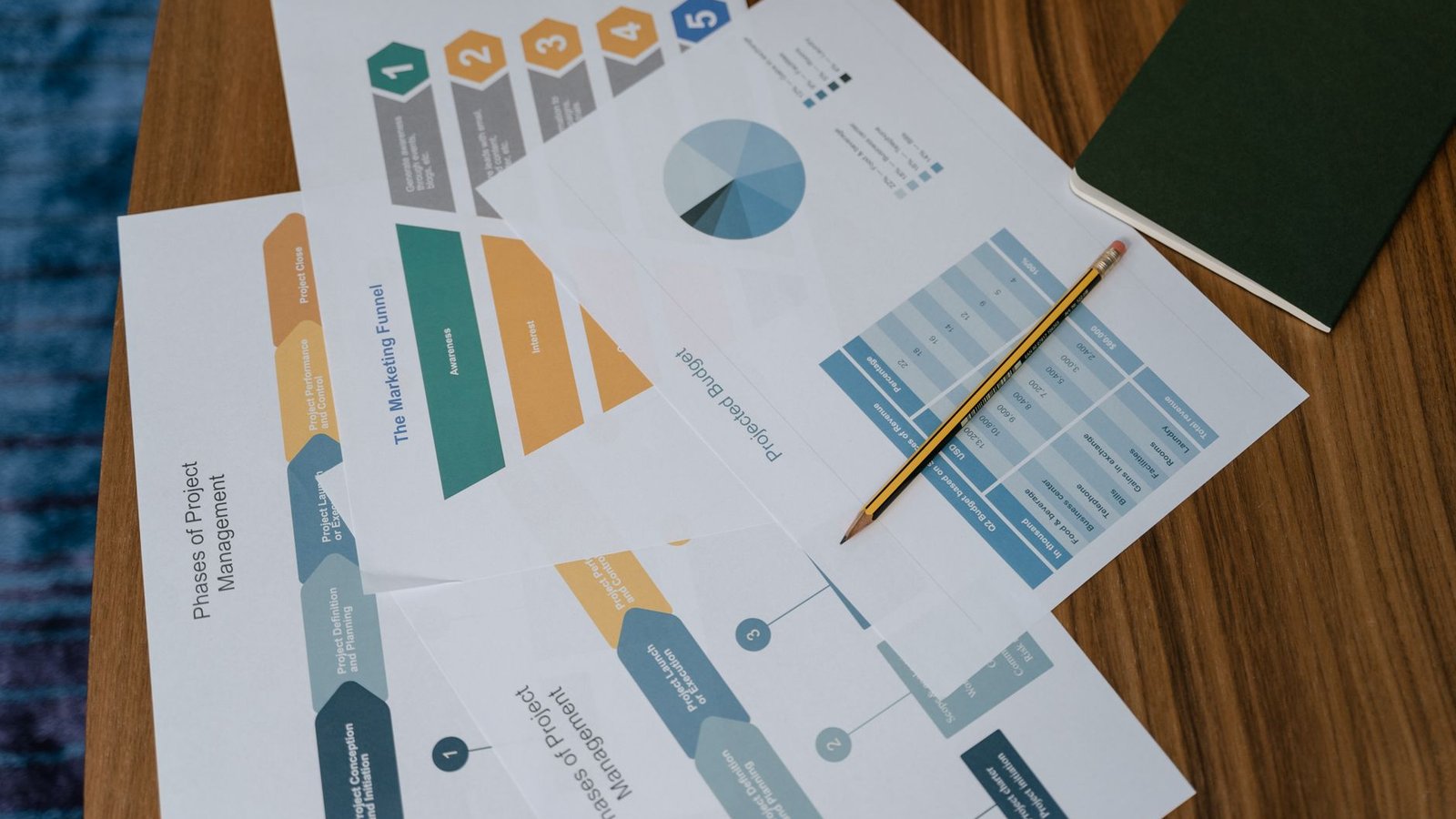
Funnel analysis gives a conclusion, not a chart: where and why drop-off happens. Learn 3 funnel decisions, the drill-down to find loss, and 3 common pitfalls.

How to design a membership program? Set the goal first, then structure: points drive behavior, tiers segment users, benefits deliver value, each owning one job.

Landing page optimization comes down to 12 elements: a hero that states value fast, proof that removes doubt, low-friction forms, and one clear primary CTA.

Score recency, frequency and monetary value to build eight RFM segments, pair each with a lifecycle-stage play, and dodge four common segmentation pitfalls.

Ecommerce data analysis starts with the metric system: build three layers for traffic, conversion and value, pick a north star metric, then design dashboards.

Traffic is up but orders are not. This CRO guide shows how to define the metric, find the top funnel leak, fix trust, friction and motivation, then A/B test.

Dashboards built, decisions unchanged? Start from decision scenarios and metric definitions, then fix collection, dashboards and workflow actions step by step.

A content calendar is not a publish schedule: it binds topic sources, capacity and channel rules. Four layers, five supply lines, and a 70%-80% buffer rule.

Most 'not significant' A/B results are design flaws, not weak creative. 2026 data: low-power tests replicate at only ~28.4%; ~74.2% show no difference.
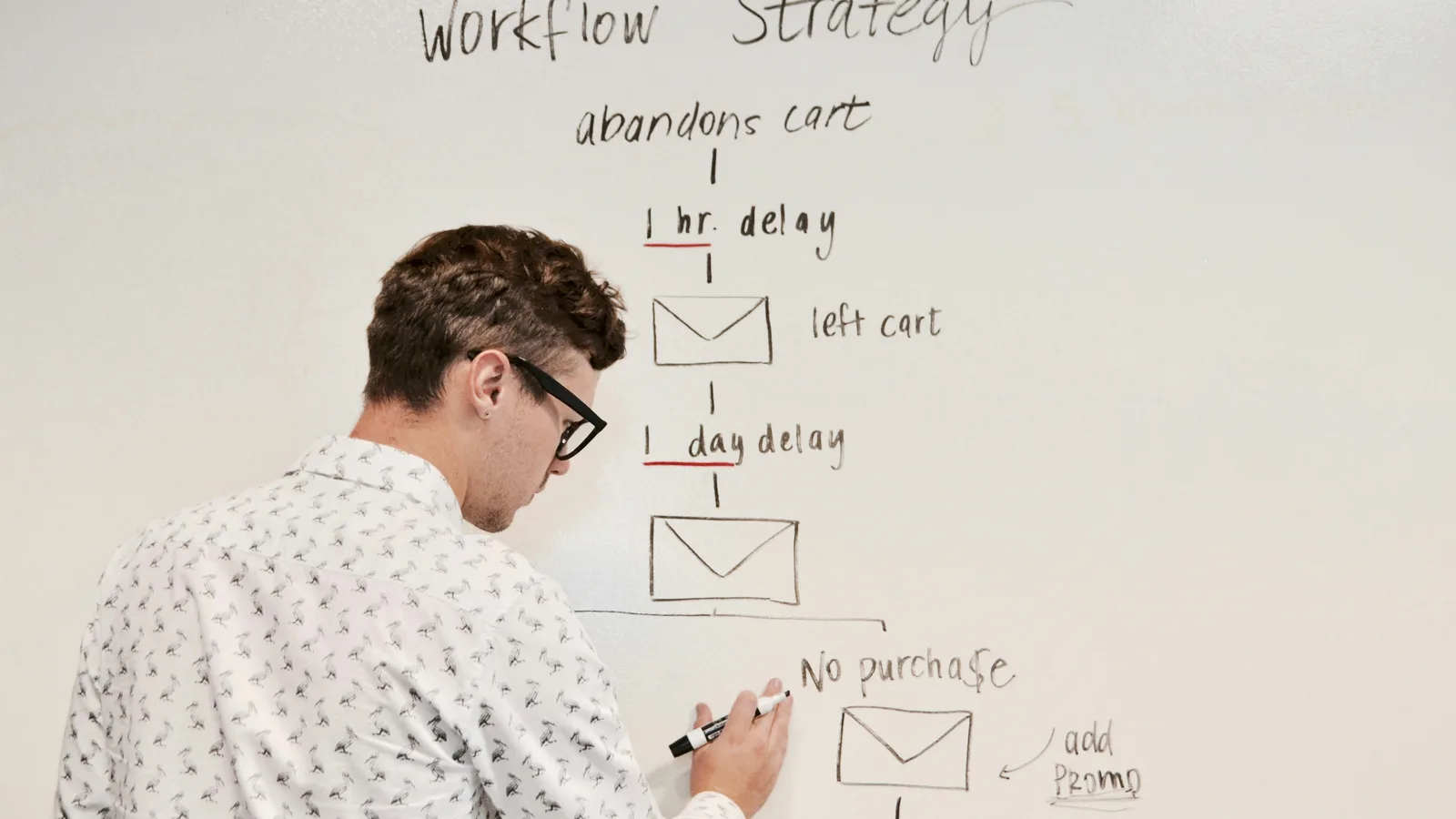
Public and private domains are halves of one funnel: 150-300 yuan per acquired user vs 20-50 yuan per repeat touch. The chain breaks at four interfaces.

Customer acquisition cost keeps climbing for reasons beyond traffic price: shrinking bid pools, lost signals, longer cycles, weak pages, and uncounted tooling.

Build a private-domain repeat purchase engine in 90 days: hard cost data, three costly myths, a five-step SOP, layered tags and a Reusable 90-day case study.

E-commerce conversion rate optimization from traffic to checkout: funnel analysis, landing pages, purchase flow, win-back, A/B testing, and ROI measurement.
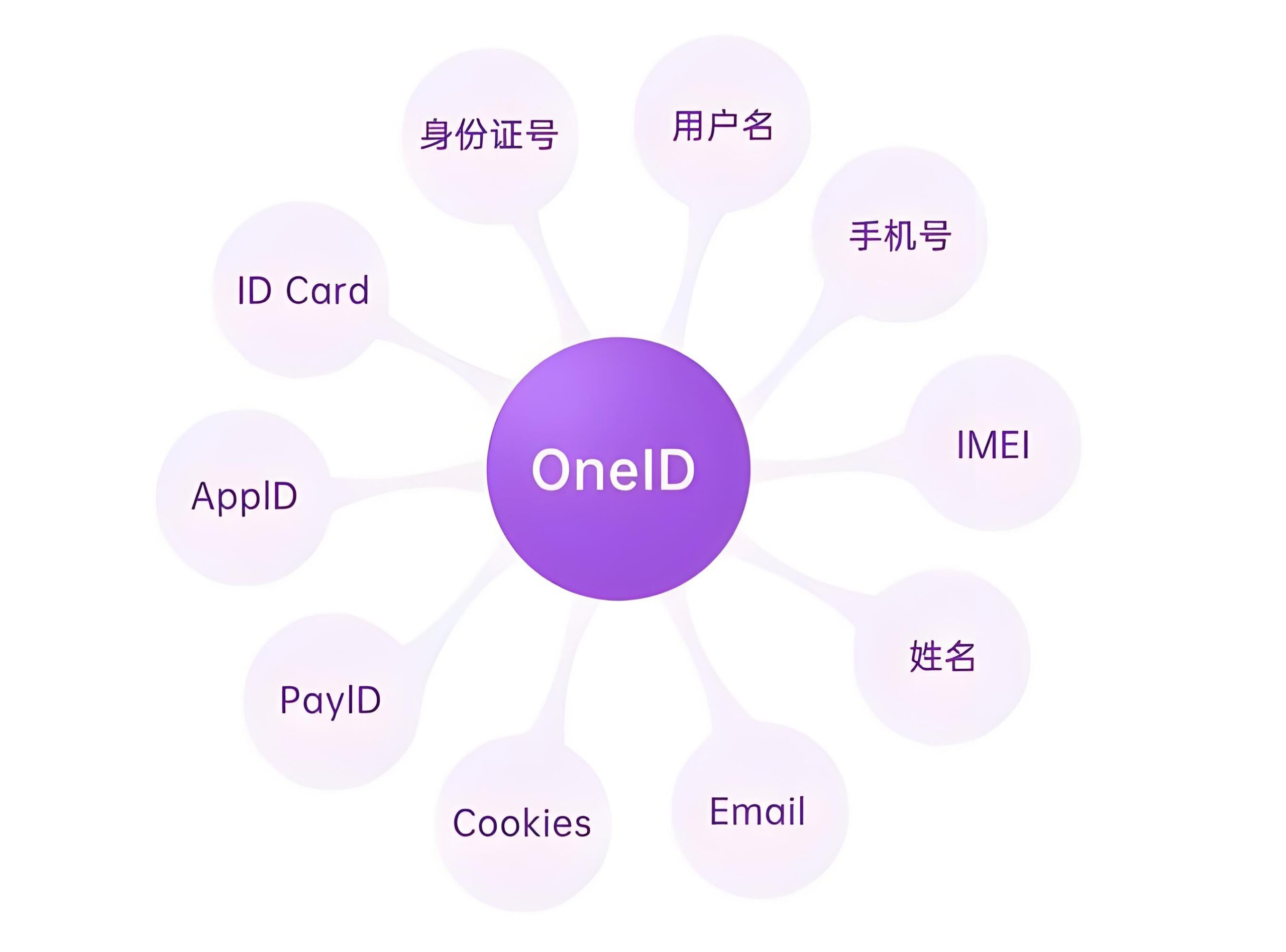
OneID turns devices, accounts and contact points into nodes and verified links into edges, then merges them with union-find. See the tables and privacy rules.

Enterprise data analysis made practical: four analysis layers, funnel, attribution, retention and segmentation methods, dashboard design, alerting, and ROI.

A practical guide to designing an ecommerce user tag system: a three-tier structure, 72 tags across six domains, scoring rules, refresh cadence, and governance.


WeCom