


Copywriting for the AI Era: Funnel and Conversion Analysis
AI answers now absorb 58% of top-rank clicks. Rewrite copy for the reader who already pre-qualified, lead with scope and evidence, and let the page cite itself.
Nov 26, 2026
AI answers now absorb 58% of top-rank clicks. Rewrite copy for the reader who already pre-qualified, lead with scope and evidence, and let the page cite itself.

A content matrix turns gap analysis into coverage math: inventory, site search, sales questions and AI-answer coverage, scored by demand, absence and value.

Two tools put the primary-entity line at 0.10 and 0.30 — a page can look planned and still read as generic. How to map entities to topics, then measure the plan
An AI writing assistant workflow is mostly a review workflow: 1,291 co-writing sessions show the real work moved to accepting or rejecting suggestions.

An experiment framework is 5 steps: fix the metric ladder, size with a minimum detectable effect, check SRM, read the effect, and write the decision rule.

SaaS companies that blog generate 67% more leads monthly. Learn the blog formats, cadence, and metrics that turn content into a predictable acquisition channel.

Google Ads is one channel for overseas B2B acquisition. This guide compares LinkedIn, content, partnerships and AI-search channels by cost and lead quality.

An audit workflow is four gates, not one review: fact check, duplication, disclosure labelling, then triage. Thresholds, routing bands, and what slips through.

Low-traffic tests fail on peeking and weak MDE budgets, not on sample size alone. Fix the split, pre-commit to an MDE, and use methods that survive monitoring.

2026 SaaS pricing shifts from per-seat to hybrid and usage-based. Pick by customer tier and cost structure, then track NRR, CAC payback, and usage volatility to avoid billing

Measuring AI marketing ROI requires tracking pipeline impact, not tool usage. Learn how to attribute revenue to AI marketing investments and optimize spend.

A six-step SOP for rewriting old articles: pick the right URL action, keep link equity, verify the change, prove the lift on funnel outcomes, not pageviews.

Content marketing ROI is hard to measure because content influences buyers long before they convert. This model attributes revenue across the buyer journey.

Word count, indexing, and rankings don't predict AI citation. This article gives a quantifiable AI citation score in six dimensions, with Princeton data.
Stitching shopper across store, e-commerce, CRM, ads into UID master profile—foundation of growth: identity resolution lifts email revenue 47% and ROI 8.1X.

Automated reporting is not swapping Excel for BI but standardising four stages: extraction, validation, distribution and review, with inputs, report automation

AI data query lets users ask in plain language, returning charts in seconds. Covers 3 capabilities and 5 steps; Tengence Insight makes business data queryable.

Customer success AI uses data and models to tell which account will churn and why, moving SaaS teams from reactive renewals to proactive, tiered intervention.

B2B SaaS wins overseas leads with SEO: map buyer intent to keywords, publish solution-style content, fix technical SEO, and measure lead quality over rankings.

An engineering view of an AI content production pipeline: plan, generate, review, optimize, publish, measure — with the gates and metrics that keep output high while scaling.

Six marketing analytics platforms compared on data ingestion, attribution and AI query - with pricing bands, tracking cost and a three-step selection method.

A WeCom SOP turns first contact to a closed deal into triggerable standard actions: four-stage design, tiered nurturing, tag coordination, four health metrics.

Behavior is a time-ordered event sequence, not aggregate counts. Covers event field specs, four analysis views, and bottleneck locating by relative performance.

AI-era CRO is about diagnosing funnel drop-off, not button colors. Metric dictionaries, AI querying and dashboards make the 22% conversion lift reproducible.

AI service is not just cost cutting; it is the richest intent data a store has. Metric dictionaries, session paths and dashboards make the 47% gain repeatable.

Private-domain conversion is less about sending more and more about turning one-time traffic into a reusable asset, then using tiering, restraint, and cadence.

A practical North Star Metric framework: pick one number, break it into 3–5 input metrics and 3–5 guardrails, and drive at least one real decision every week.

MTA and MMM answer different questions. Incrementality tests give the causal anchor, while a metric dictionary and dashboards align both views on one metric.
How to size an A/B test, set the right duration, and judge significance: sample size, MDE, full business cycles, fixed stopping rules, multiple-testing fixes.

Compare BI tools by market tier, pricing model and governance strength: a practical 2026 selection guide for teams picking Tableau, Power BI or Looker.

Build a tagging system in order: unify IDs, layer factual, statistical and model tags with time decay and lifecycle governance, deploy and verify impact.

Conversion rate down: diagnose first - confirm measurement, break down traffic and funnel, check trust and friction, then pinpoint the page and action.
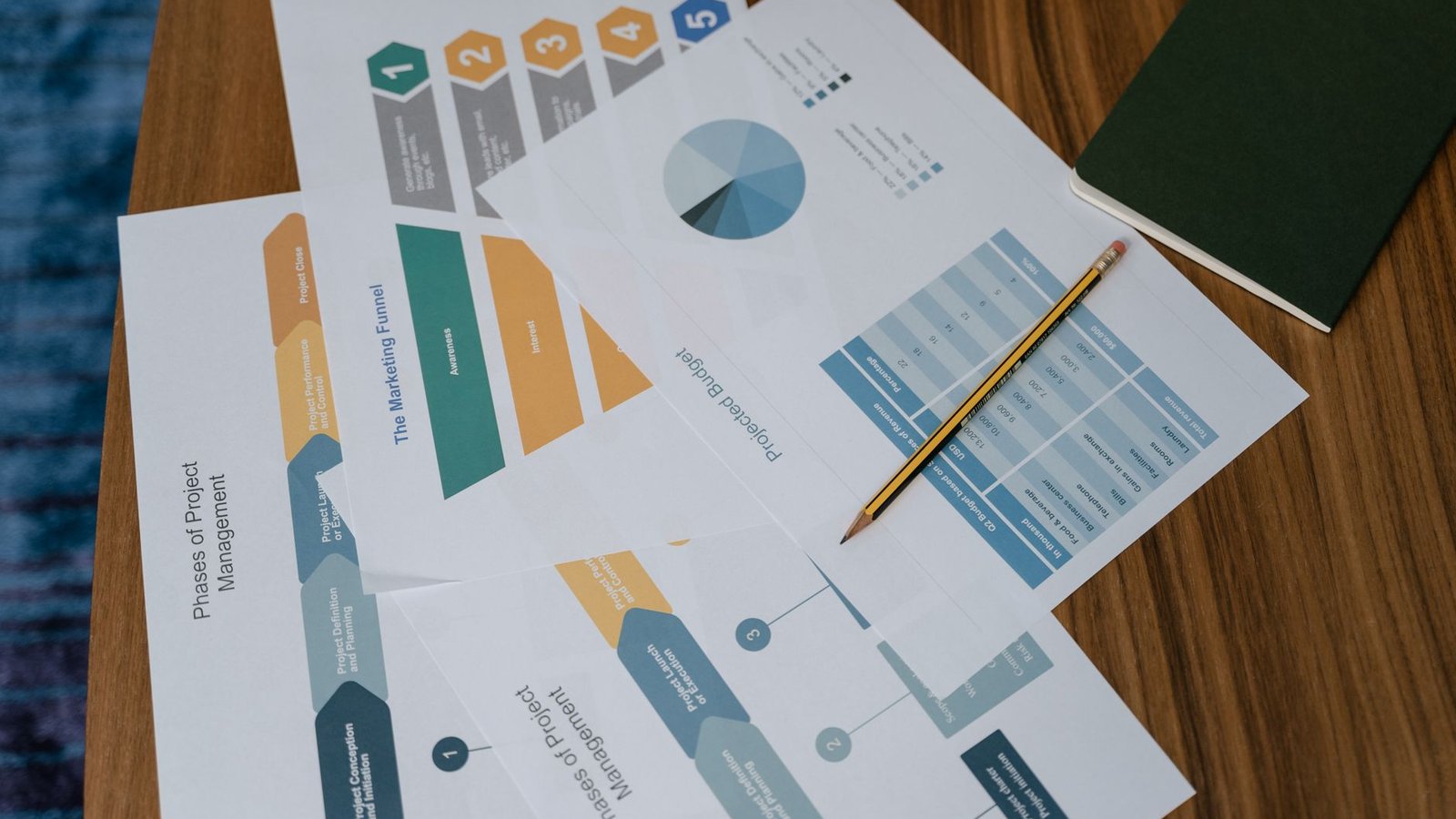
Funnel analysis gives a conclusion, not a chart: where and why drop-off happens. Learn 3 funnel decisions, the drill-down to find loss, and 3 common pitfalls.

How to design a membership program? Set the goal first, then structure: points drive behavior, tiers segment users, benefits deliver value, each owning one job.

Landing page optimization comes down to 12 elements: a hero that states value fast, proof that removes doubt, low-friction forms, and one clear primary CTA.

Score recency, frequency and monetary value to build eight RFM segments, pair each with a lifecycle-stage play, and dodge four common segmentation pitfalls.

Ecommerce data analysis starts with the metric system: build three layers for traffic, conversion and value, pick a north star metric, then design dashboards.

Traffic is up but orders are not. This CRO guide shows how to define the metric, find the top funnel leak, fix trust, friction and motivation, then A/B test.

Dashboards built, decisions unchanged? Start from decision scenarios and metric definitions, then fix collection, dashboards and workflow actions step by step.

A content calendar is not a publish schedule: it binds topic sources, capacity and channel rules. Four layers, five supply lines, and a 70%-80% buffer rule.

Risk-scored win-backs beat scheduled blasts: 2025 benchmarks show 78.8% annual churn, 38% won back, $53,000+ recovered per location, proven by holdout lift.

Most 'not significant' A/B results are design flaws, not weak creative. 2026 data: low-power tests replicate at only ~28.4%; ~74.2% show no difference.
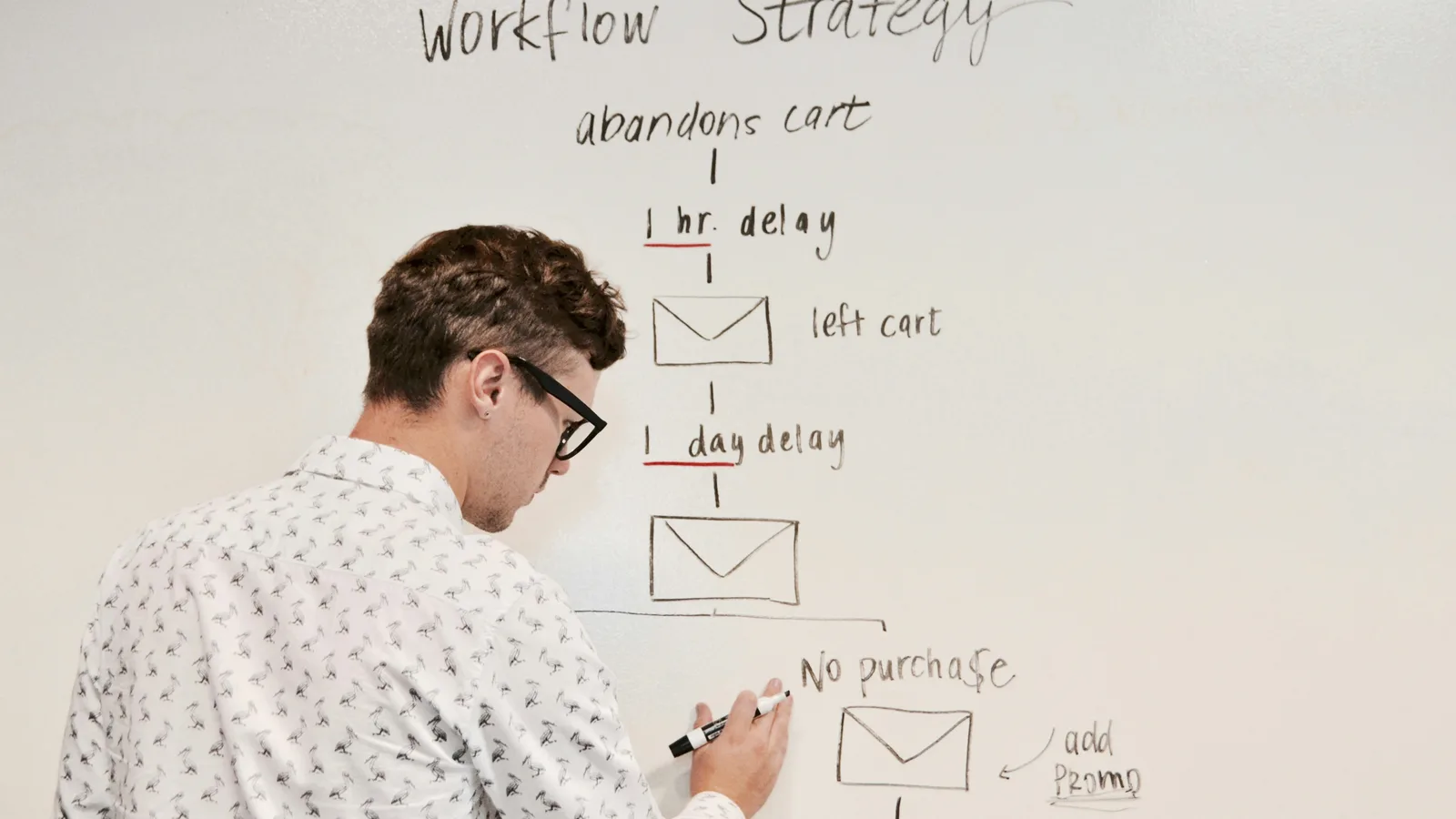
Public and private domains are halves of one funnel: 150-300 yuan per acquired user vs 20-50 yuan per repeat touch. The chain breaks at four interfaces.

Customer acquisition cost keeps climbing for reasons beyond traffic price: shrinking bid pools, lost signals, longer cycles, weak pages, and uncounted tooling.

Build a private-domain repeat purchase engine in 90 days: hard cost data, three costly myths, a five-step SOP, layered tags and a Reusable 90-day case study.

Three tools, three questions: who arrived, what users did, how results reconcile. Compare analytic units and windows, then align them on one metric dictionary.

Enterprise AI is stuck in performative AI: 90% launch GenAI pilots, under 41% reach production, ~5% move the P&L. We map the valley and a 3-tier ROI framework.

Natural-language query turns BI into conversational analytics. We compare ThoughtSpot, Power BI, Tableau, Qlik and Looker on capability and semantic layer.

E-commerce conversion rate optimization from traffic to checkout: funnel analysis, landing pages, purchase flow, win-back, A/B testing, and ROI measurement.
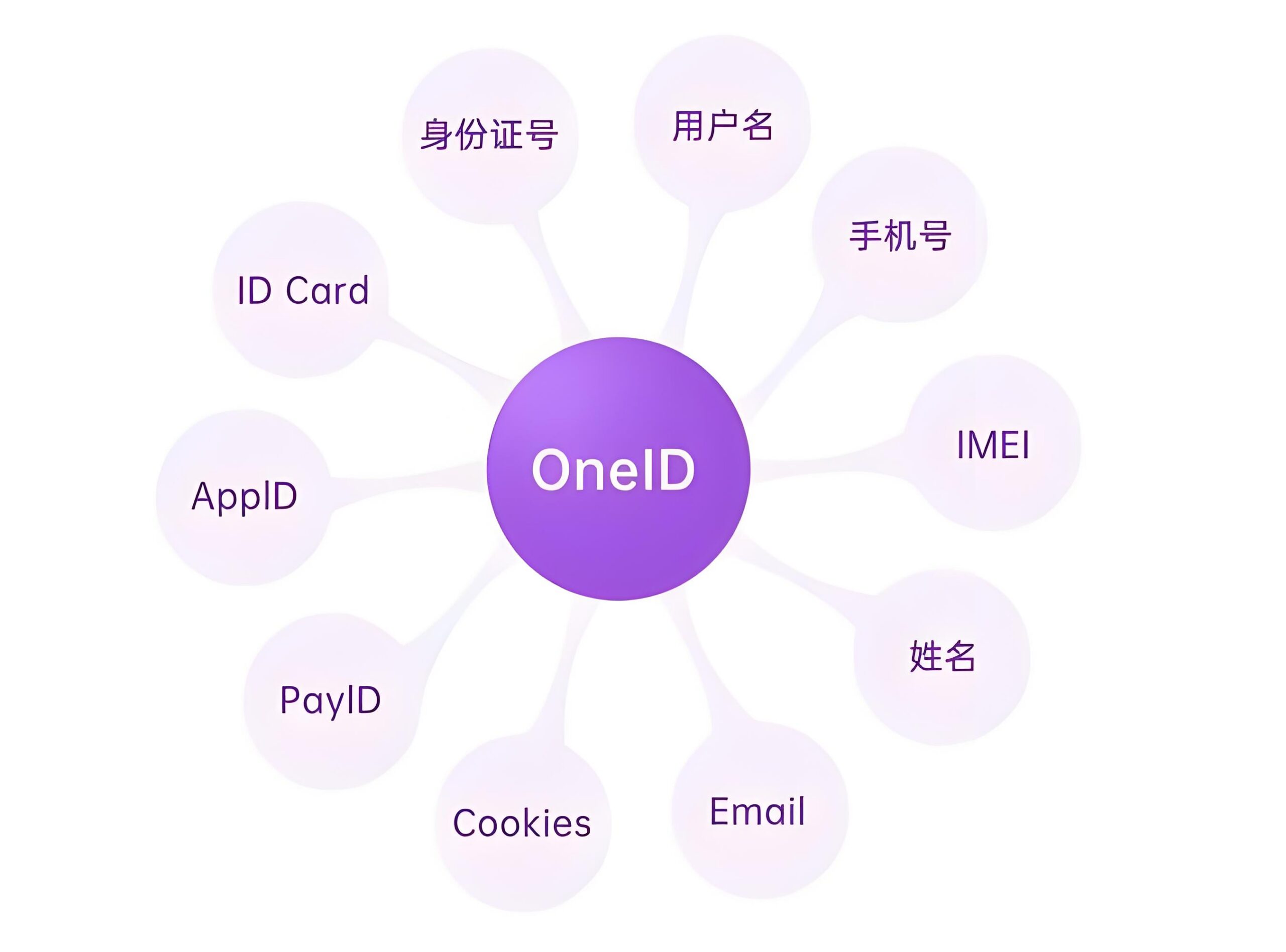
OneID turns devices, accounts and contact points into nodes and verified links into edges, then merges them with union-find. See the tables and privacy rules.
