


How to Get AI to Cite Your Content: An Actionable GEO Checklist
AI rewards evidence density, not keywords. Allow AI crawlers, publish llms.txt, open with 40–60 word answer blocks, add cited data, build off-site authority.
Oct 11, 2026
AI rewards evidence density, not keywords. Allow AI crawlers, publish llms.txt, open with 40–60 word answer blocks, add cited data, build off-site authority.

LLMs don't browse the web. They fetch HTML, parse structure, strip boilerplate, chunk, embed it, then retrieve the best chunk with a citation at answer time.

Enterprise GEO fails less on strategy than on running stage-three tactics on stage-one infrastructure. Diagnose maturity, advance by stage, add governance.
AI search reads paragraphs, not pages: every chunk must be a self-contained answer. Five rules — front-load, add facts, add structure — decide if AI cites you.
AI answer engines cite media via text signals—alt, captions, schema, transcripts. Make your images and videos citable for 317% more AI Overview citations.
In 2026, GEO tools made 'are we cited in AI answers' measurable, not guesswork. This roundup compares top tools by goal, team size, and Chinese engine coverage.
Many local shops go unseen in AI answers. Learn the 5-pillar local GEO framework—GBP, schema, NAP, reviews, and hyperlocal content—to get cited by AI in 2026.
GEO success is whether AI cites you, not mentions alone. Build a metric tree from presence to trust: three layers, five KPIs, Share of Model, a tool matrix.
A 90-day battle plan for enterprise GEO: audit and rewrite existing pages, ship GEO-native content, and measure AI citation rate using the four CITE levers.

GEO in healthcare and finance is less about whether to do it than whether it breaks rules: YMYL, four medical E-E-A-T elements, finance limits, three red lines.

Win AI-search citations by becoming a verifiable entity. This guide explains E-E-A-T, entity and author signals, and a 12-point enterprise self-check.
AI search in 2026: ChatGPT 1.1B MAU and Chinese AI apps 446M as traffic shifts to AI answers. See the landscape and why GEO is the new ticket for brands.
AI search rewrote SEO: zero-click ~60% of searches, AI Overviews cut CTR 34–61%, cited brands gain 35% organic and 91% paid clicks. Get the 2026 playbook.
Google does not penalize AI use, but scaling low-value AI content triggers spam policy. Learn disclosure templates, IPTC metadata, and a 3-red-line self-check.

A top rank does not mean AI mentions you. Nobori: ~3% citation inclusion; Otterly: ~73% block AI crawlers. Six metrics, a five-step check, three priorities.

Zero-click search now drives ~68% of US Google searches. Brands cited in AI Overviews earn ~35% higher organic clicks. Learn why your website still matters.

Chinese AI platforms cite by ecosystem not algorithm: Doubao ByteDance, Qianwen Alibaba, Kimi sourced, Wenxin Baidu, Yuanbao WeChat. Allocate per platform.

ChatGPT cites encyclopedic references, Perplexity community reviews, Gemini multi-source confirmation. Referral share ≠ citation slots—tilt assets per platform.

A practical GEO checklist you can start today: four stages from 0 to 1, a copy-ready self-audit table, four pitfalls to avoid, and three first-week actions.
Learn where AI search traffic comes from, how five citation and referral entry points work, and how to build a measurable acquisition plan in 12 weeks.
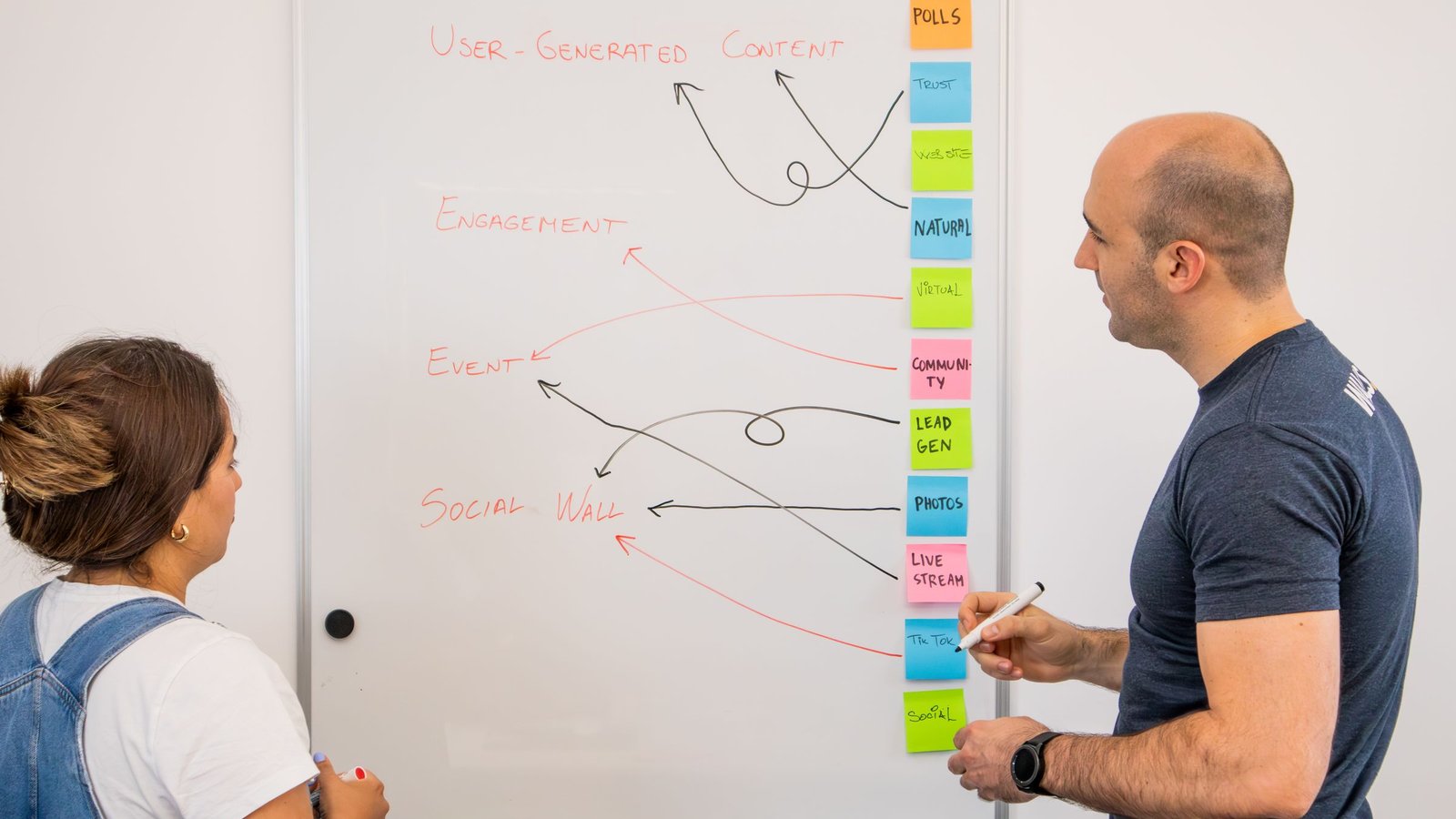
Use this practical 7-step GEO framework to improve AI search visibility with stronger authority, clearer structure, technical access, and entity signals.
Explains RAG retrieval and LLM pipelines in AI search, compares ChatGPT, Claude, and Perplexity, and gives a GEO roadmap for structured data and citations.
SEO fights for search rankings; GEO fights for AI-answer citations. This table compares them across nine dimensions and gives budget and execution-order advice.

GEO (generative engine optimization) gets content selected, extracted, and cited in AI answers. Learn the definition, mechanics, and how it differs from SEO.


WeCom