

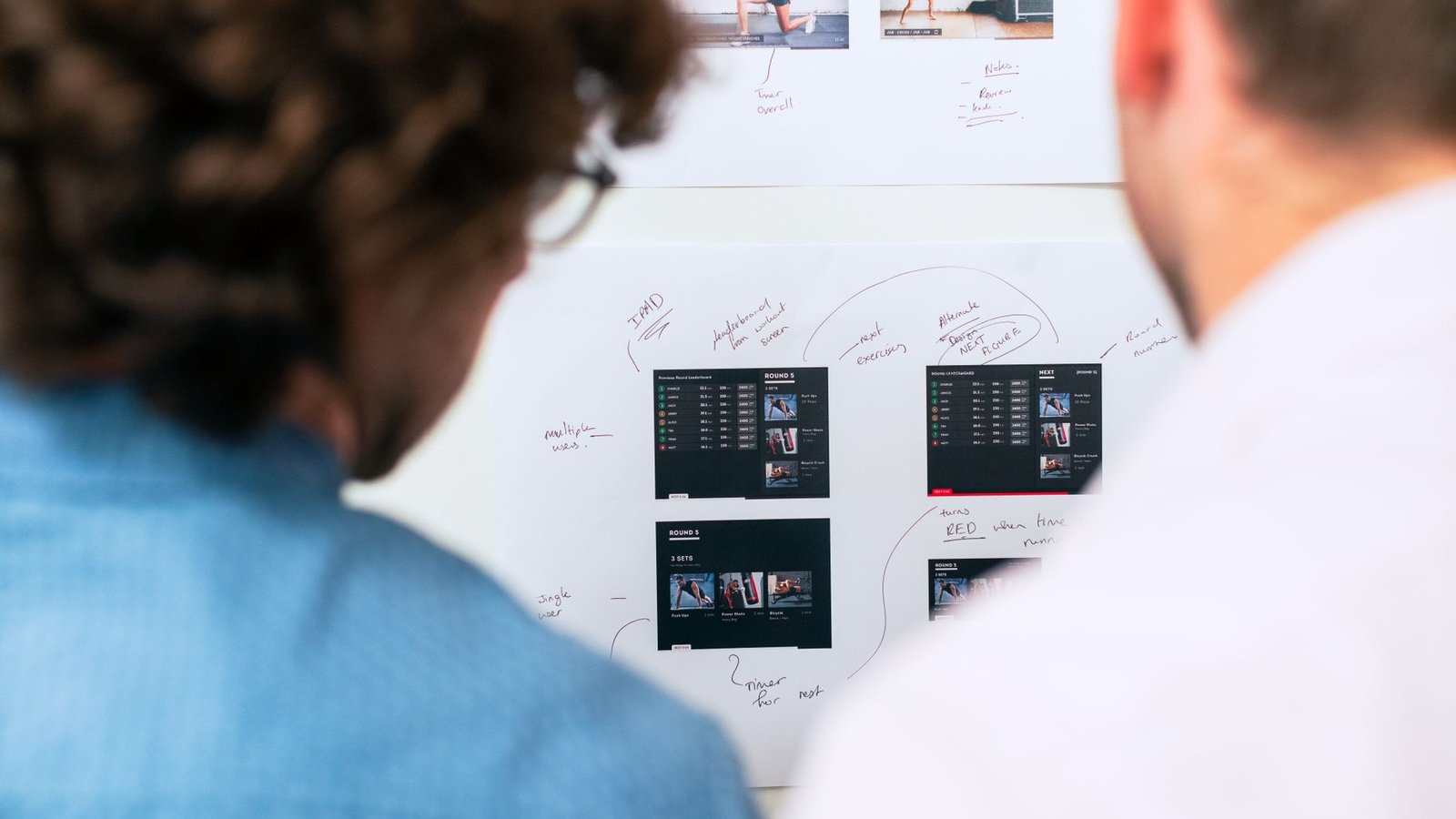
User Behavior Analysis: Event Modeling and Path Analysis in Practice
Behavior is a time-ordered event sequence, not aggregate counts. Covers event field specs, four analysis views, and bottleneck locating by relative performance.
Oct 27, 2026
Behavior is a time-ordered event sequence, not aggregate counts. Covers event field specs, four analysis views, and bottleneck locating by relative performance.

Internal retrieval and external AI visibility share one base. Tengence unifies Search and GEO on one content base, solving findable inside and citable outside.

AI-era CRO is about diagnosing funnel drop-off, not button colors. Metric dictionaries, AI querying and dashboards make the 22% conversion lift reproducible.
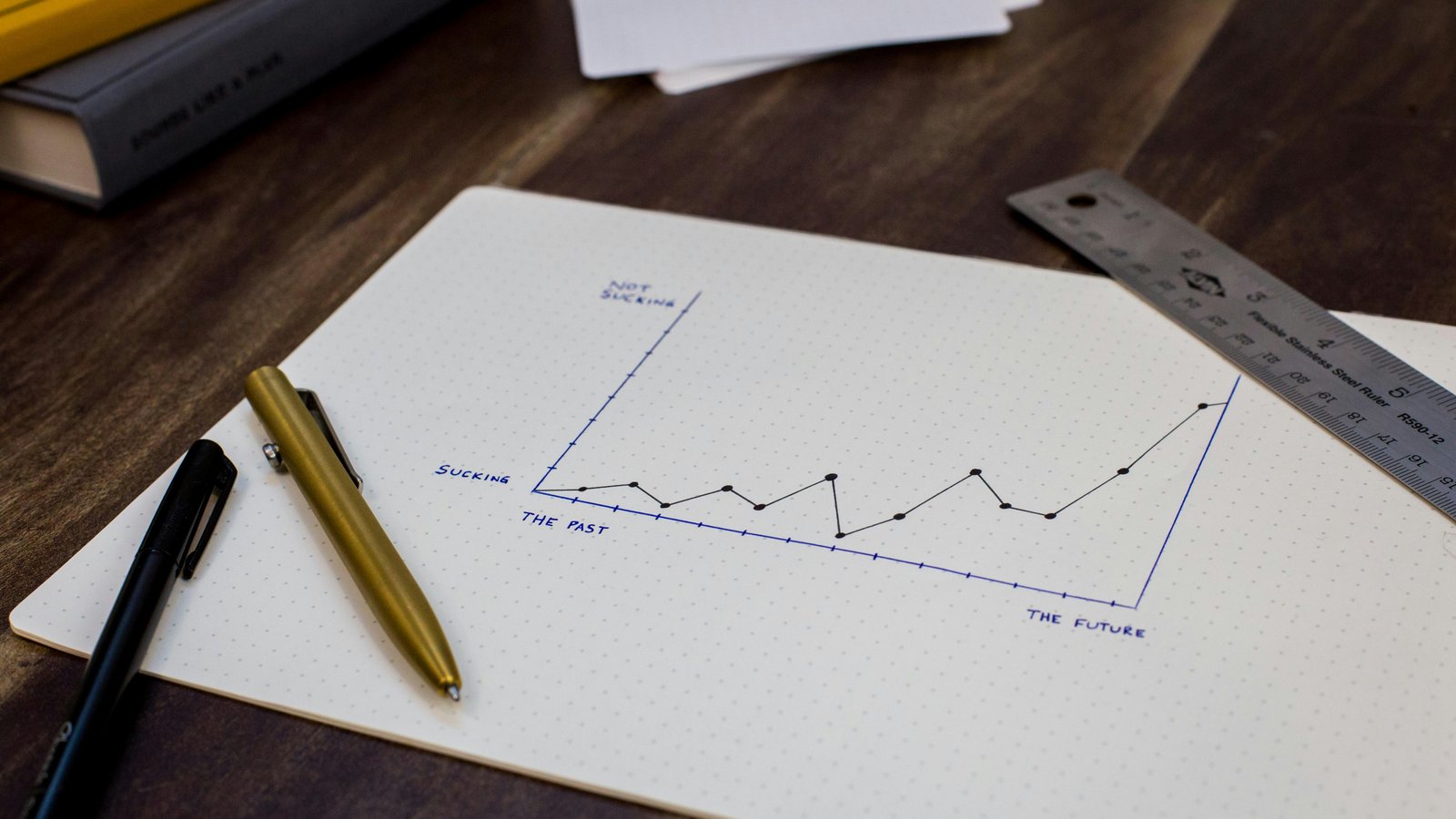
AI search optimization outcomes are highly industry-specific. This article reviews five industries, four replicable patterns, and a 30-day launch checklist.
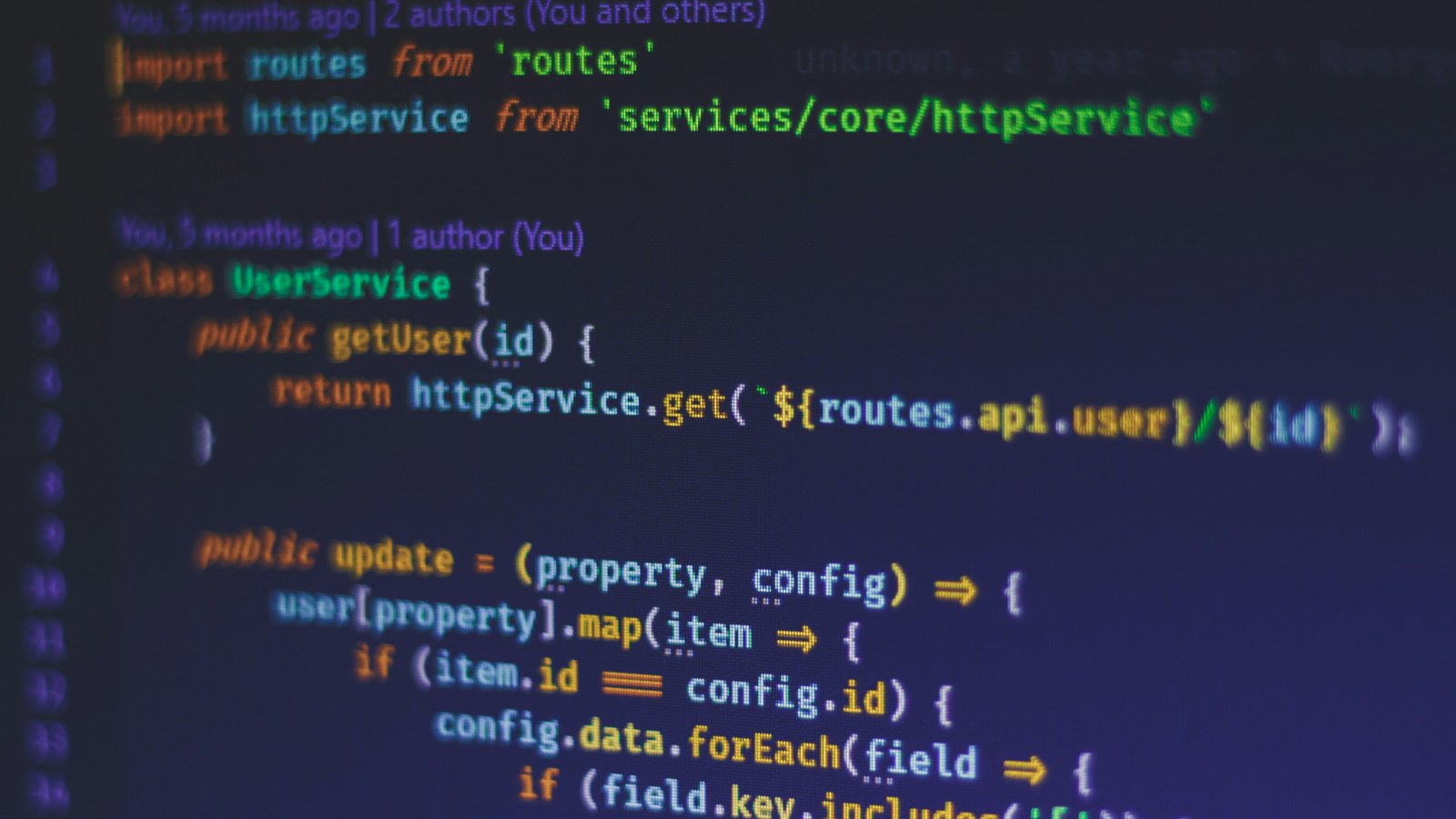
Deployment risk is in sequence and rollback, not the feature. Reusable template: prep, five-phase path, canary, rollback plan, go-live acceptance, operations.
Technical SEO decides if you can be found and cited by AI: crawl, index, render. In 2026 Googlebot renders in two waves, so key content must live in raw HTML.

Search is only data-driven if tracking is right: four must-collect events, timing, dedup, zero-result and rewrite tracking, and log-to-dashboard flows.

Enterprise search-recommendation is entering its fourth generation: rules, ML ranking, vectors, and LLM agents. We cover six trends and three moves to prepare.

Search-recommendation systems win on feedback, not models. We cover signal weights, bias correction, three update cadences, and a flywheel health check.

Can't find it? The right result often never entered the pool. Seven recall moves: understanding, synonyms, multi-path recall, vector fill-in, field coverage.
