

Copywriting for the AI Era: Funnel and Conversion Analysis
AI answers now absorb 58% of top-rank clicks. Rewrite copy for the reader who already pre-qualified, lead with scope and evidence, and let the page cite itself.
Nov 26, 2026
AI answers now absorb 58% of top-rank clicks. Rewrite copy for the reader who already pre-qualified, lead with scope and evidence, and let the page cite itself.

Two tools put the primary-entity line at 0.10 and 0.30 — a page can look planned and still read as generic. How to map entities to topics, then measure the plan
An AI writing assistant workflow is mostly a review workflow: 1,291 co-writing sessions show the real work moved to accepting or rejecting suggestions.

An audit workflow is four gates, not one review: fact check, duplication, disclosure labelling, then triage. Thresholds, routing bands, and what slips through.

A six-step SOP for rewriting old articles: pick the right URL action, keep link equity, verify the change, prove the lift on funnel outcomes, not pageviews.

Word count, indexing, and rankings don't predict AI citation. This article gives a quantifiable AI citation score in six dimensions, with Princeton data.

AI-era CRO is about diagnosing funnel drop-off, not button colors. Metric dictionaries, AI querying and dashboards make the 22% conversion lift reproducible.

AI service is not just cost cutting; it is the richest intent data a store has. Metric dictionaries, session paths and dashboards make the 47% gain repeatable.

Search and CRO are one funnel: visibility decides volume, conversion decides value. This guide maps intent to page types and lists on-site search levers.

Private-domain conversion is less about sending more and more about turning one-time traffic into a reusable asset, then using tiering, restraint, and cadence.
How to size an A/B test, set the right duration, and judge significance: sample size, MDE, full business cycles, fixed stopping rules, multiple-testing fixes.

Search ROI is hard to measure: a three-layer usage-quality-revenue measurement, contribution vs incremental conversion, an ROI formula, and four misjudgments.

Conversion rate down: diagnose first - confirm measurement, break down traffic and funnel, check trust and friction, then pinpoint the page and action.
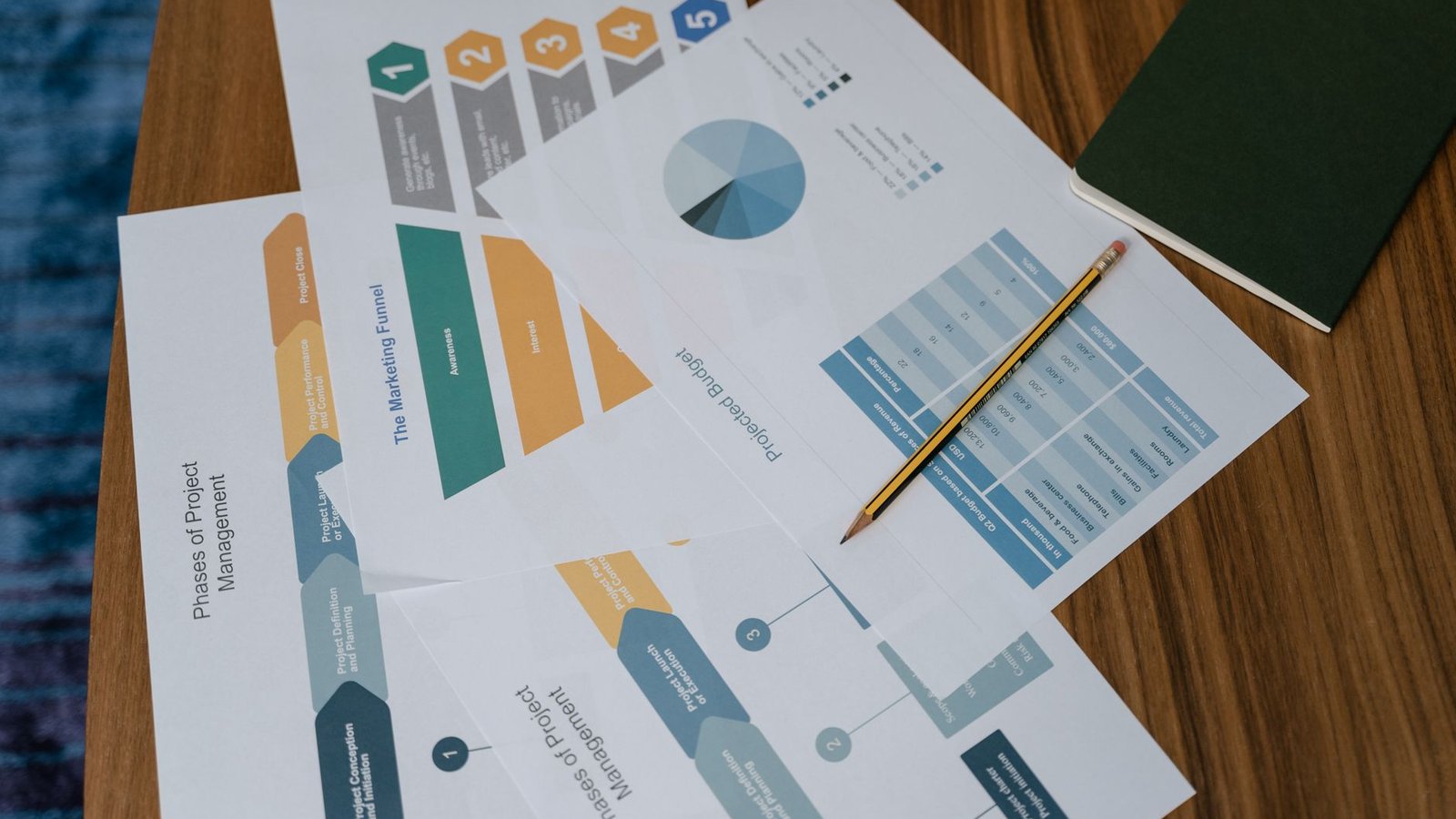
Funnel analysis gives a conclusion, not a chart: where and why drop-off happens. Learn 3 funnel decisions, the drill-down to find loss, and 3 common pitfalls.

Recommendation placement design: pick the page, content, and attention share. Match each slot to page intent and measure cannibalization to confirm real gains.

How to design a membership program? Set the goal first, then structure: points drive behavior, tiers segment users, benefits deliver value, each owning one job.

Landing page optimization comes down to 12 elements: a hero that states value fast, proof that removes doubt, low-friction forms, and one clear primary CTA.
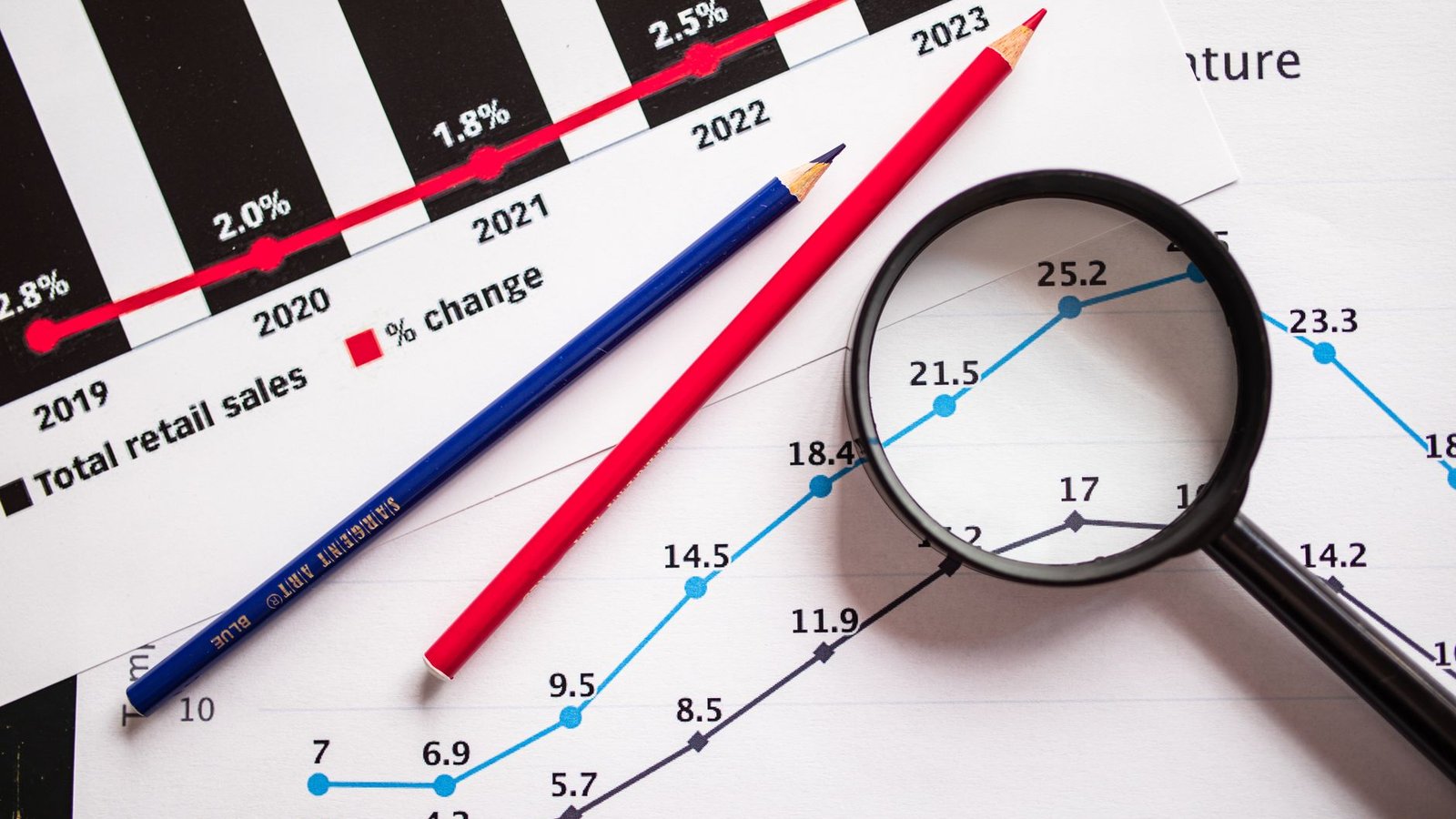
How to calculate search conversion rate: fix the numerator and denominator, read usage, zero-result rate and top-result CTR, then improve recall and ranking.
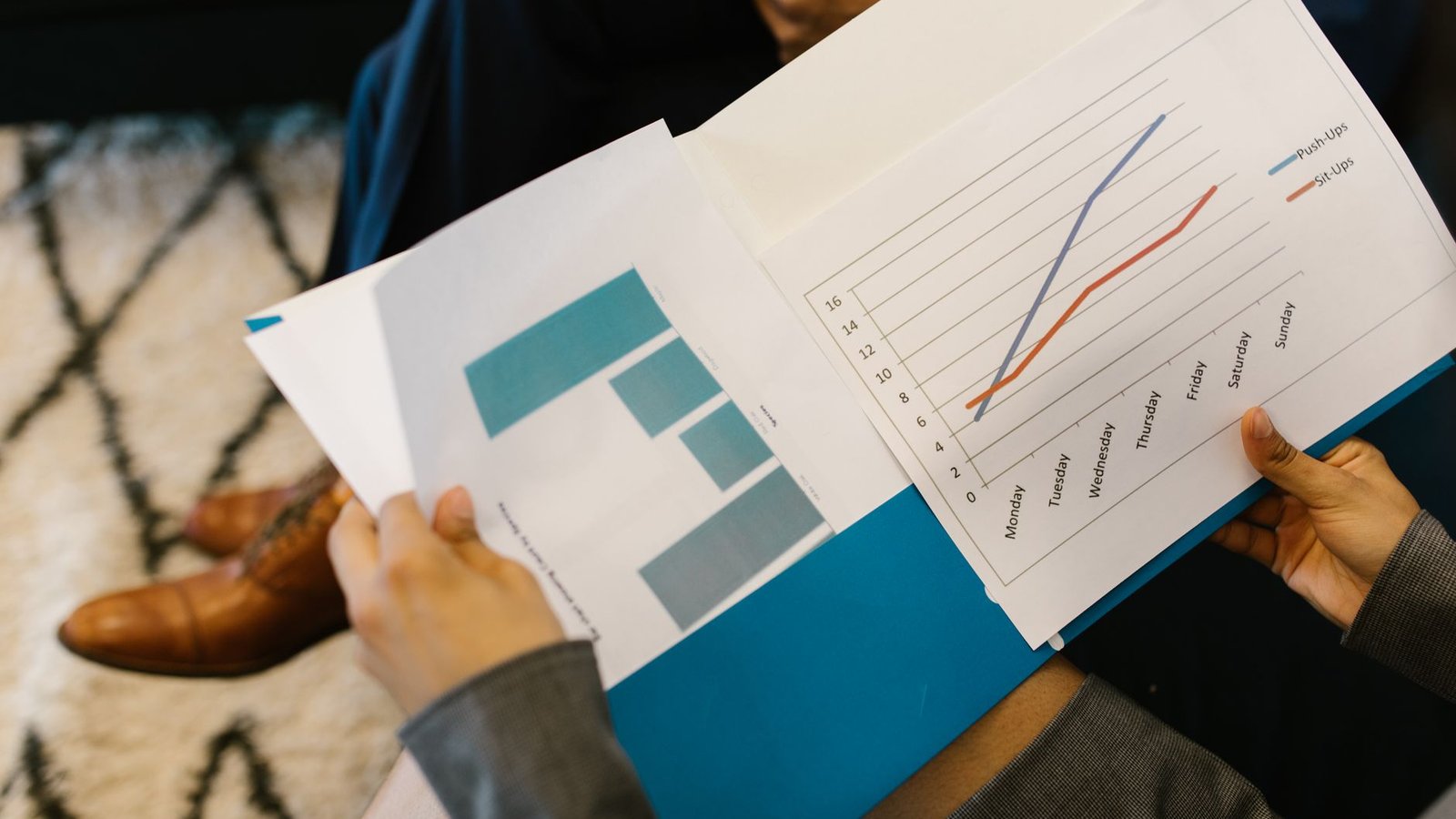
Traffic is up but orders are not. This CRO guide shows how to define the metric, find the top funnel leak, fix trust, friction and motivation, then A/B test.

Most 'not significant' A/B results are design flaws, not weak creative. 2026 data: low-power tests replicate at only ~28.4%; ~74.2% show no difference.
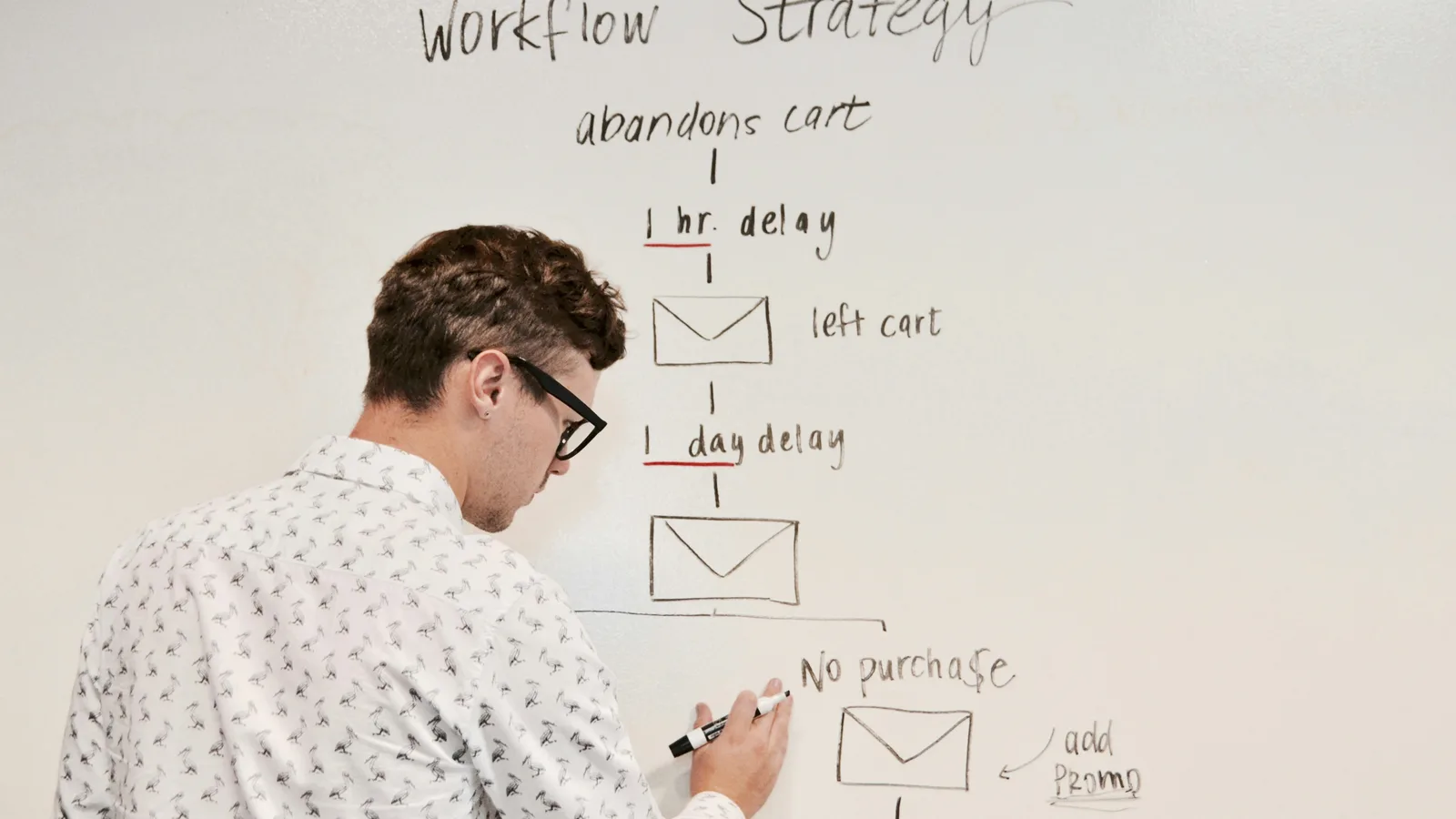
Public and private domains are halves of one funnel: 150-300 yuan per acquired user vs 20-50 yuan per repeat touch. The chain breaks at four interfaces.

Customer acquisition cost keeps climbing for reasons beyond traffic price: shrinking bid pools, lost signals, longer cycles, weak pages, and uncounted tooling.

Build a private-domain repeat purchase engine in 90 days: hard cost data, three costly myths, a five-step SOP, layered tags and a Reusable 90-day case study.

Enterprise AI is stuck in performative AI: 90% launch GenAI pilots, under 41% reach production, ~5% move the P&L. We map the valley and a 3-tier ROI framework.

E-commerce conversion rate optimization from traffic to checkout: funnel analysis, landing pages, purchase flow, win-back, A/B testing, and ROI measurement.

Five proven CTR optimization tactics: headline formulas, description copy, rich media, A/B testing and monitoring, to lift ad click-through rate by 30% or more.

Traffic conversion rates stay low when demand, routing and response break down. This five-step AI playbook lifted conversion 258% and cut acquisition cost 61%.
