

User Tagging System Building Guide: How to Build a Tag System from 0 to 1
Build a tagging system in order: unify IDs, layer factual, statistical and model tags with time decay and lifecycle governance, deploy and verify impact.
Sep 29, 2026
Build a tagging system in order: unify IDs, layer factual, statistical and model tags with time decay and lifecycle governance, deploy and verify impact.

Recommendation systems need core metrics: CTR for appeal, CVR for value, diversity and novelty vs drift, coverage for long-tail; offline iterates, online A/B.
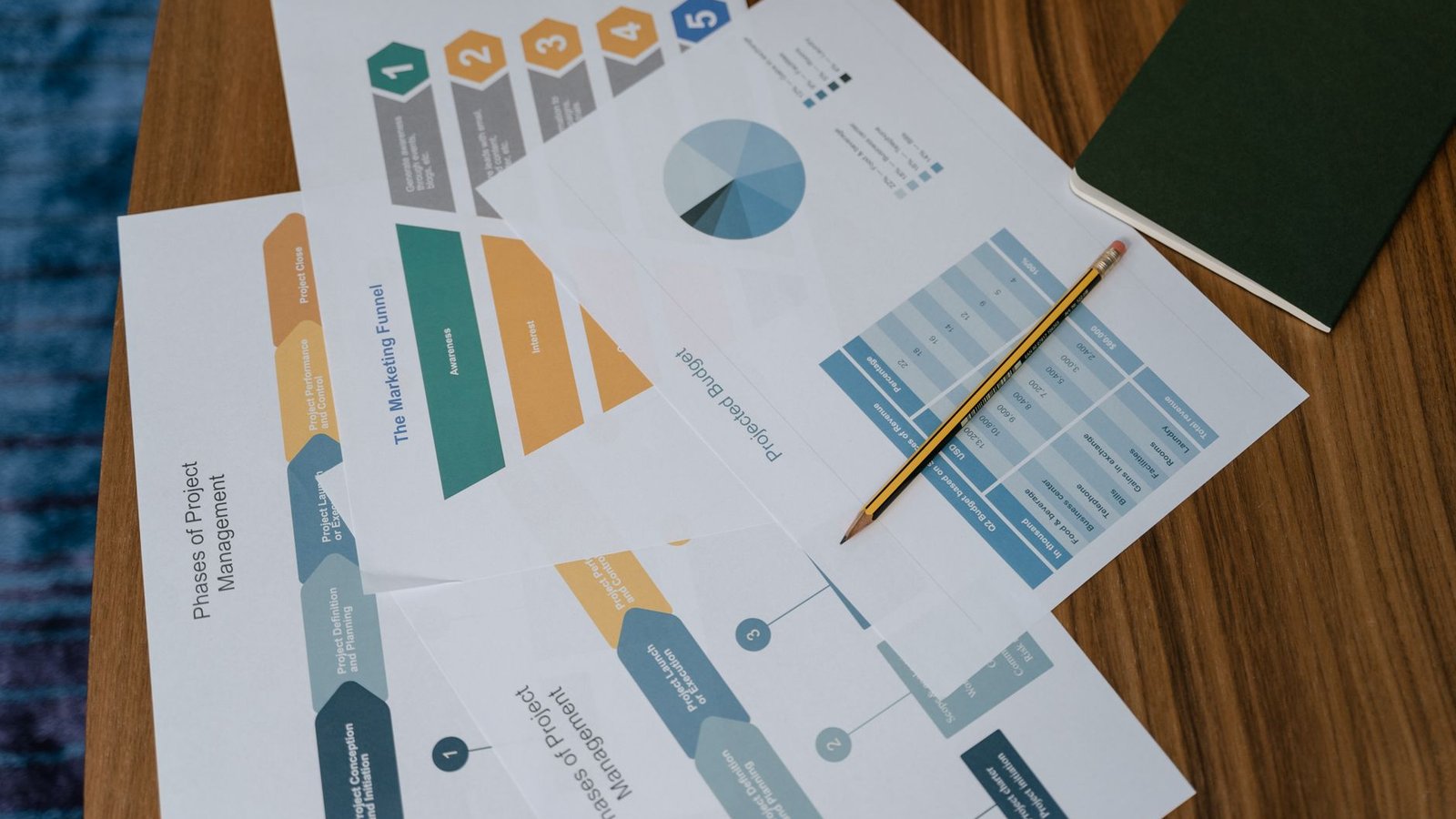
Funnel analysis gives a conclusion, not a chart: where and why drop-off happens. Learn 3 funnel decisions, the drill-down to find loss, and 3 common pitfalls.

A/B test site search changes: split into recall, ranking, and result-page layers; search conversion rate primary, zero-result and first-click rates guardrails.

Collaborative filtering: UserCF for content platforms, ItemCF for stable e-commerce. A 5-dimension comparison, co-occurrence and content-vector blending.

Recommendation ROI comes from scenarios, not one big model. We rank eight high-ROI e-commerce scenarios by rollout difficulty, with data and metrics for each.

Cold start is not one problem but four: new users, new items, a new system, and a new scenario. This guide lists the fix for each, plus acceptance metrics.

Landing page optimization comes down to 12 elements: a hero that states value fast, proof that removes doubt, low-friction forms, and one clear primary CTA.

Ecommerce data analysis starts with the metric system: build three layers for traffic, conversion and value, pick a north star metric, then design dashboards.

Traffic is up but orders are not. This CRO guide shows how to define the metric, find the top funnel leak, fix trust, friction and motivation, then A/B test.


WeCom