


Shopify / WordPress Independent Site GEO Integration
Shopify and WordPress store owners can optimize for AI search with structured data, product specs, and FAQ content. This guide walks through integration steps.
Nov 26, 2026
Shopify and WordPress store owners can optimize for AI search with structured data, product specs, and FAQ content. This guide walks through integration steps.

GEO service packages pricing. Learn how GEO services are priced, what different packages include, and how to choose the right tier for your business and budget.
On-premise AI search is 4 layers: retrieval, vector index, model serving and governance. Size the GPU for reranking, not for chat, and the economics work.

GEO tools differ on 5 capabilities: citation tracking, content audit, crawler access, competitor share and reporting. Score all 5 before buying any of them.

Independent sites need AEO (Answer Engine Optimization) to be cited in AI search results. Here is how to optimize your independent store for AI search.
ChatGPT leads referrals at 79.05% while Gemini leads audience at 27.3%. Compare AI engines on citations, clicks and conversion, then allocate budget by goal.

Google AI Overviews puts a sourced AI summary above the results. This guide covers what triggers it, the six citeable conditions and how to track citation rate.

Claude is Anthropic's assistant. Being cited depends on four gates: source trust, entity clarity, structure, evidence. Tracks mention, citation, attribution.
MCP standardizes how AI apps call website diagnostics. Using tengence-geo, this walkthrough wraps a GEO diagnosis engine as an MCP tool and runs a diagnosis.
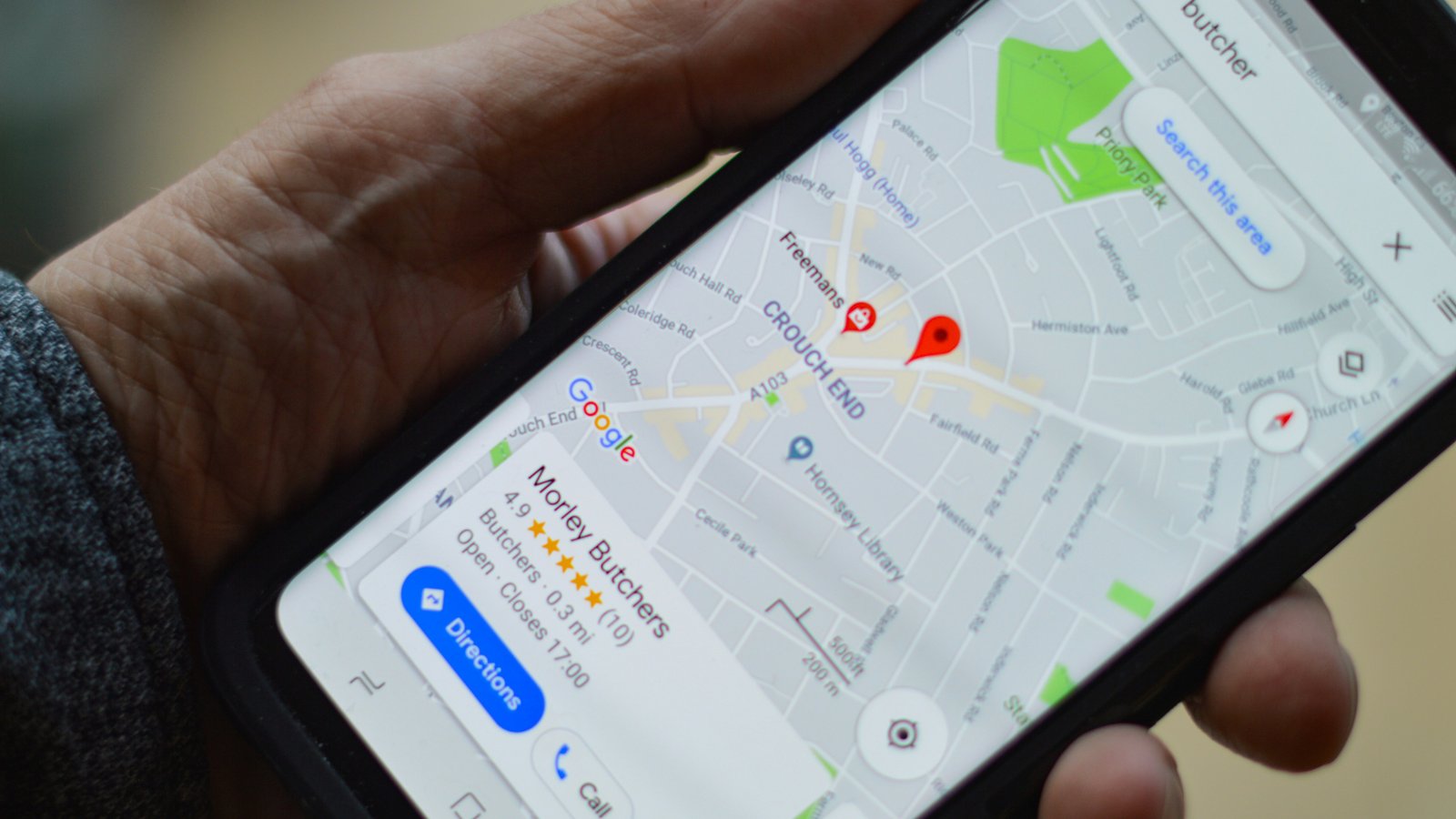
Earn AI local recommendations by making name, address, and phone verifiable instead of buying ads. This guide covers business profiles and a fixed question set.

Word count, indexing, and rankings don't predict AI citation. This article gives a quantifiable AI citation score in six dimensions, with Princeton data.
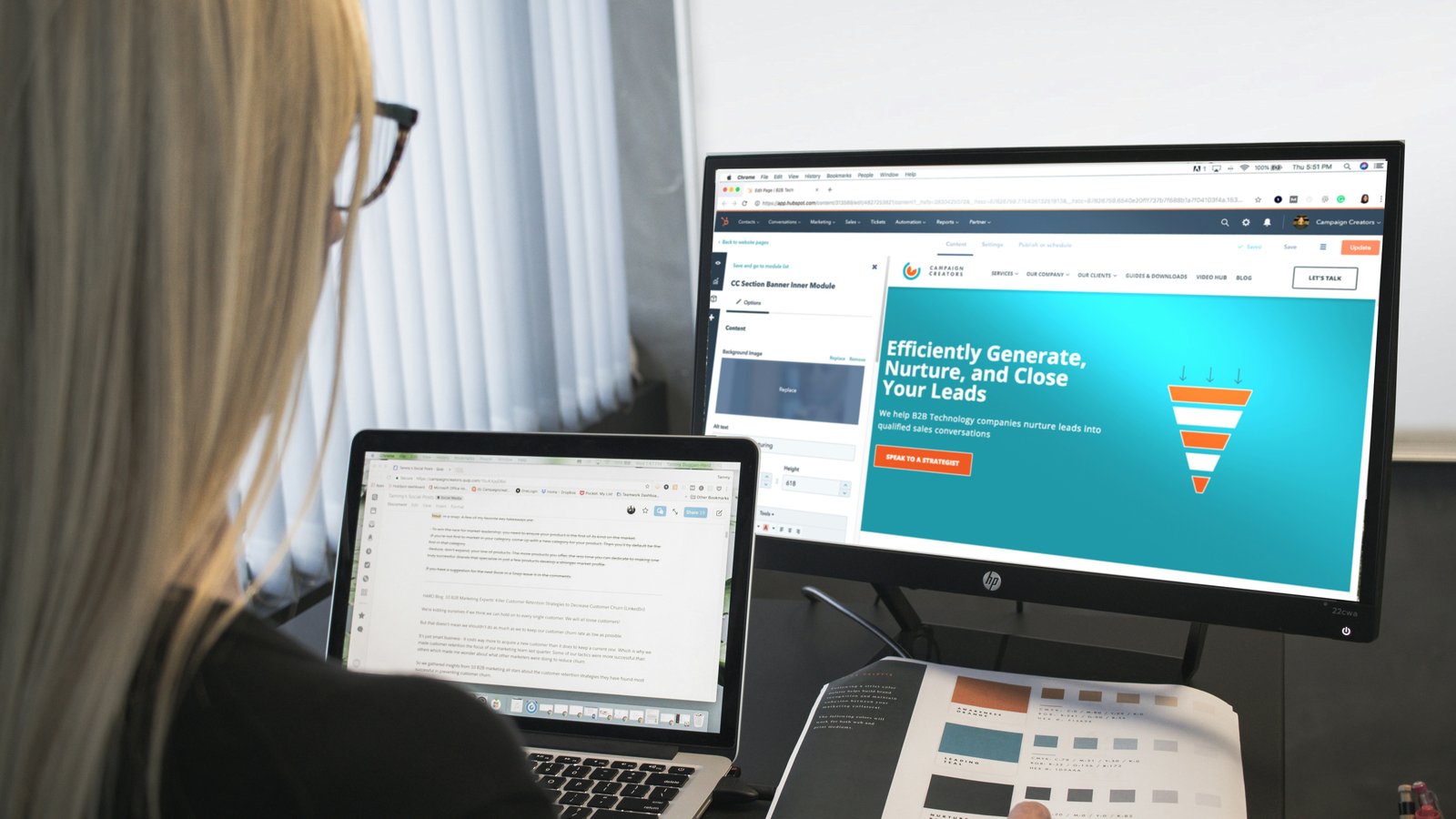
94% of B2B buyers use generative AI; 51% start with chatbots. AI referral converts at 5-10x organic search. This article maps the lead funnel to inquiries.
How much does GEO cost in 2026? This guide breaks down GEO's four cost components, pricing models, and budget ranges with a stage-based budgeting framework.

Cross-border market selection in the AI search era should rank by readiness, not search volume, so brands avoid spreading budget thin across weak markets.

A GEO diagnostic report answers whether AI engines can read the page and will cite it. This guide gives ten pre-launch checks, each with its fix and priority.

B2B exporters are reshaped by AI: buyers ask ChatGPT, Google AIO and Perplexity for suppliers, and AI cites brands. GEO shifts brands from ranking to cited.
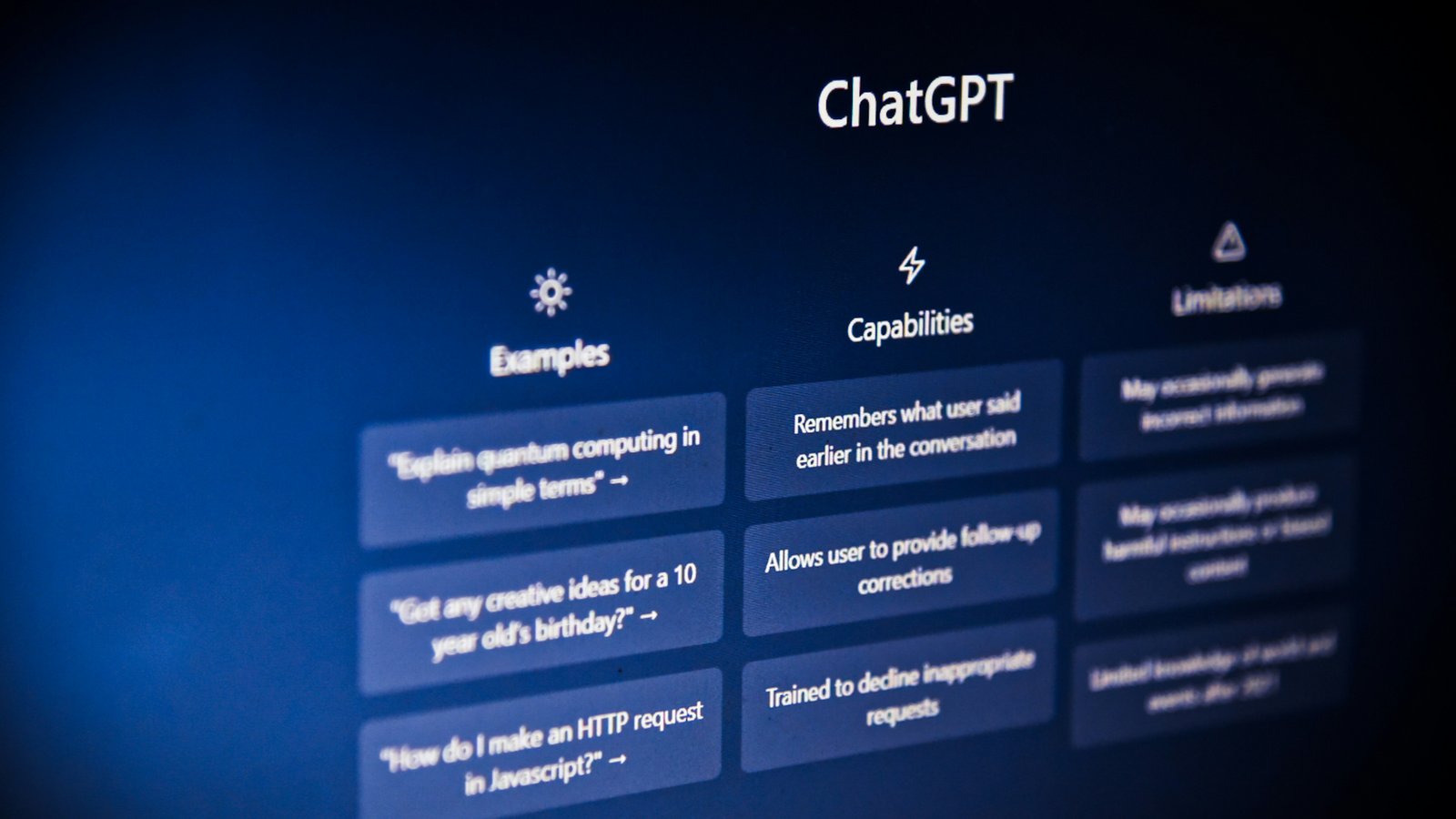
ChatGPT Search runs on Bing, not Google: pages must be crawled by OAI-SearchBot and indexed in Bing to be cited. Three bots, five signals, and a checklist.

B2B SaaS wins overseas leads with SEO: map buyer intent to keywords, publish solution-style content, fix technical SEO, and measure lead quality over rankings.
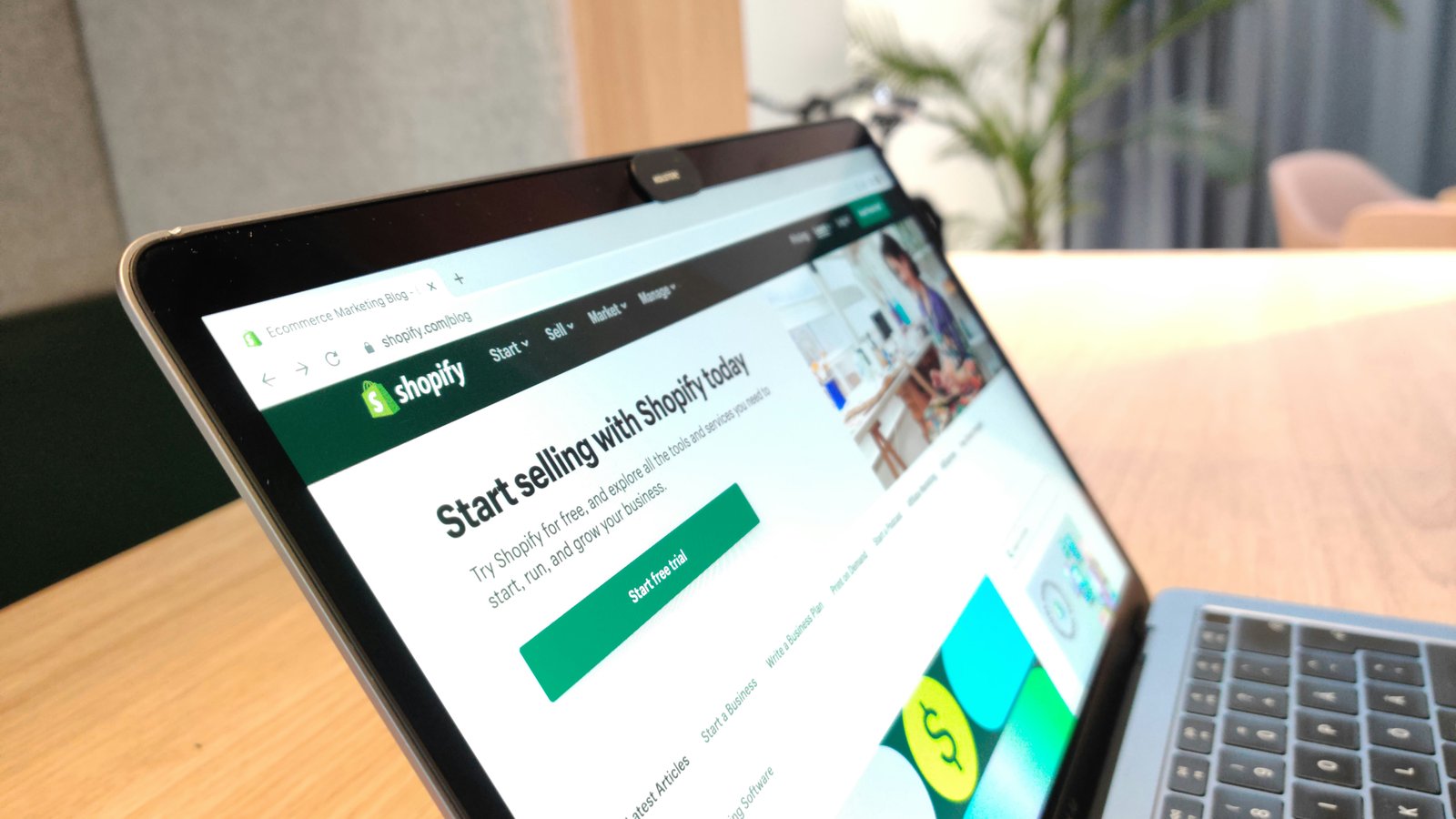
Shopify SEO can't rely on defaults. This 2026 checklist covers technical indexing, on-page optimization, structured data, and measuring AI-search visibility.
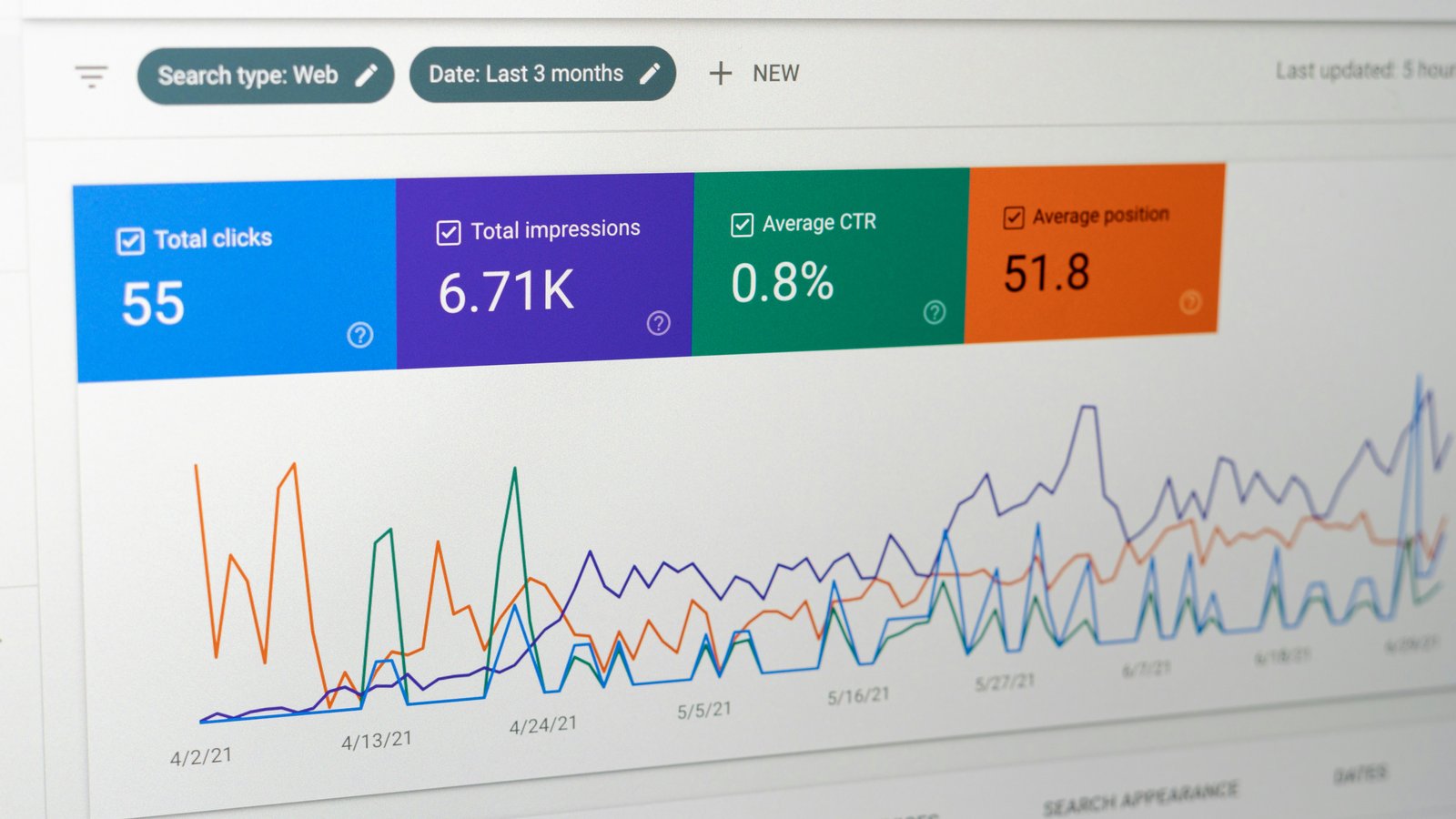
Perplexity uses PerplexityBot and the licensed Bing/Google indexes to find pages, citing answer-first, structured content. This guide gives an SEO checklist.

GEO cannot run on gut feel; dashboards quantify AI citations. This breaks down 3 categories and 5 KPIs, and Tengence GEO covers monitoring across 10+ engines.
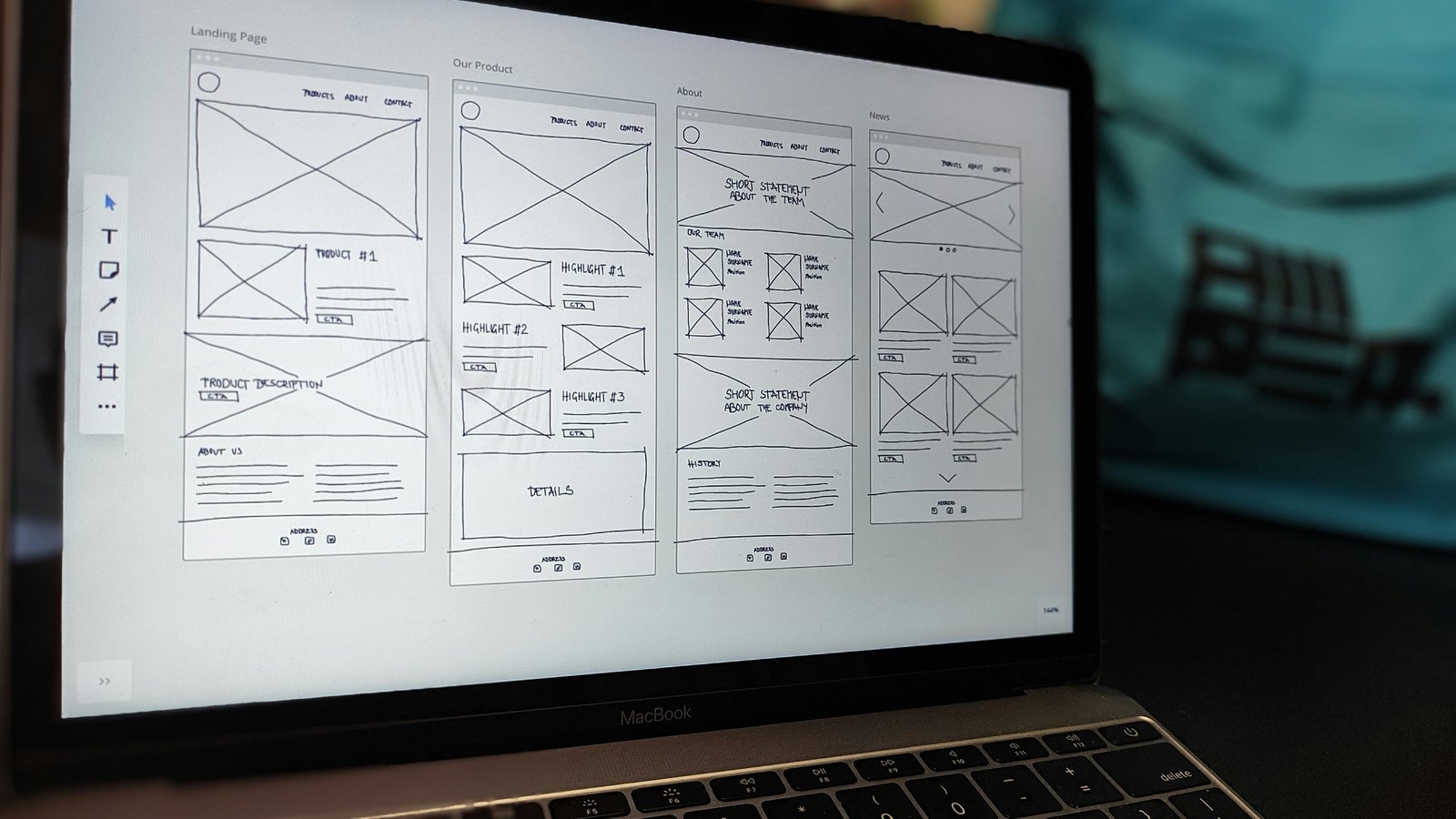
Programmatic SEO scales search traffic with data. This guide covers 3 core elements and 5-step path, showing how Tengence GEO bridges across 10+ AI engines.
AI engines cite differently. This guide scores ChatGPT, Perplexity, Gemini, and AI Overviews on 3 dimensions and gives 3 GEO takeaways to lift citation odds.
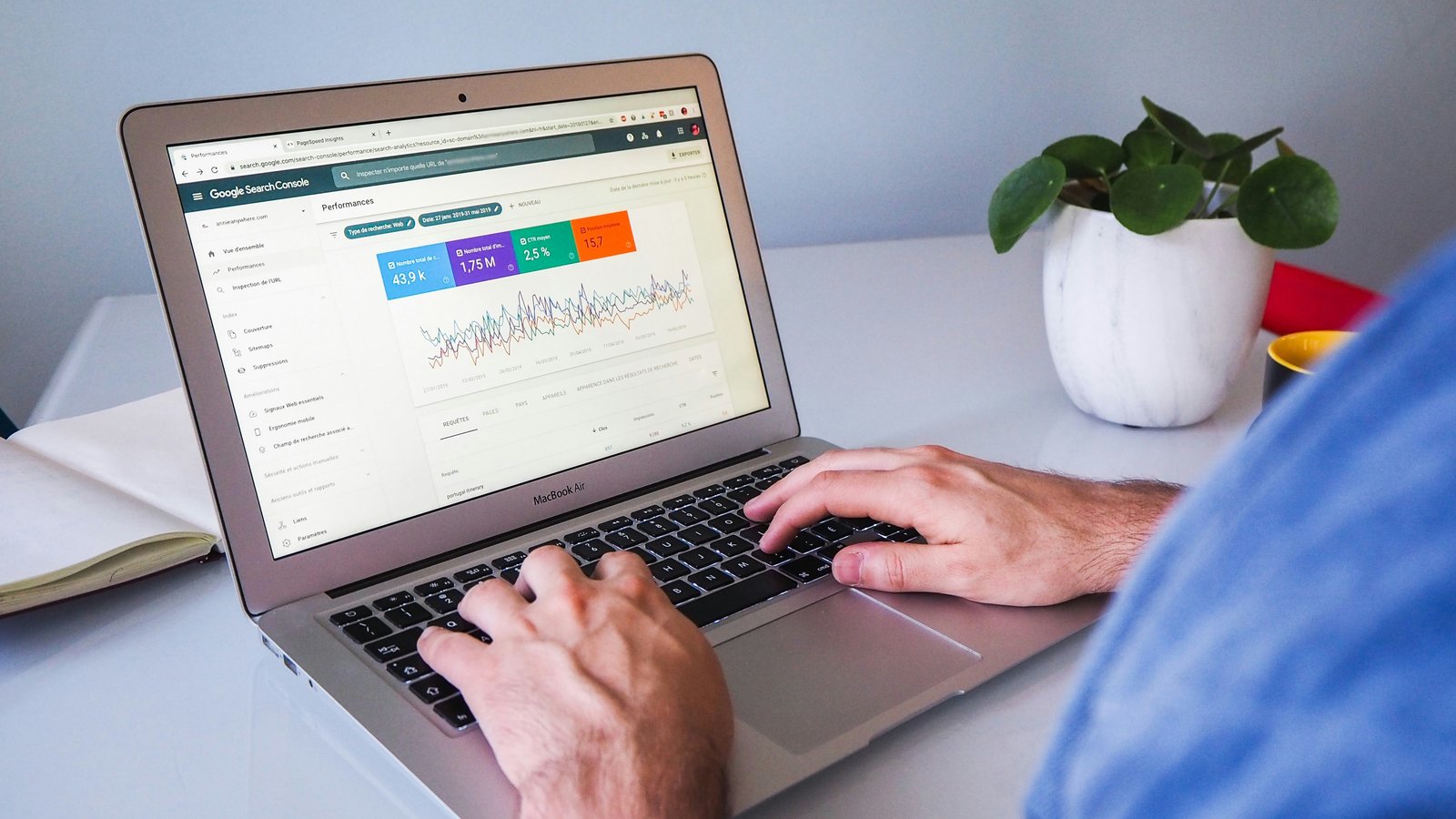
GEO tools went mainstream in 2026. This guide compares 6 leading tools on monitoring, actionability, and multilingual coverage, with Tengence GEO's positioning.

Cross-border sites are shifting to ChatGPT and Perplexity citations. Covers GEO vs SEO, three cited scenarios, six steps to earn AI citations, three metrics.
LLM black-box testing treats answer engines as opaque boxes: ask a fixed question set, then watch whether your brand is mentioned, cited, and attributed.

Overseas sites must serve Google and AI engines like ChatGPT and Claude. Covers crawler classes, JS rendering gap, robots.txt tiers, AI-crawlability checklist.
Multilingual content automation wires source, AI translation, QA, publishing into one pipeline: AI accuracy by content type, tiered QA, and hreflang traps.
Gemini Deep Research writes cited reports, so be a trusted source, not chase rankings. This guide covers four gates and tracks mention, citation, attribution.
Grok, xAI's answer engine, picks pages to cite. This walkthrough splits citation into four gates and uses a fixed set to measure mention, citation, attribution.
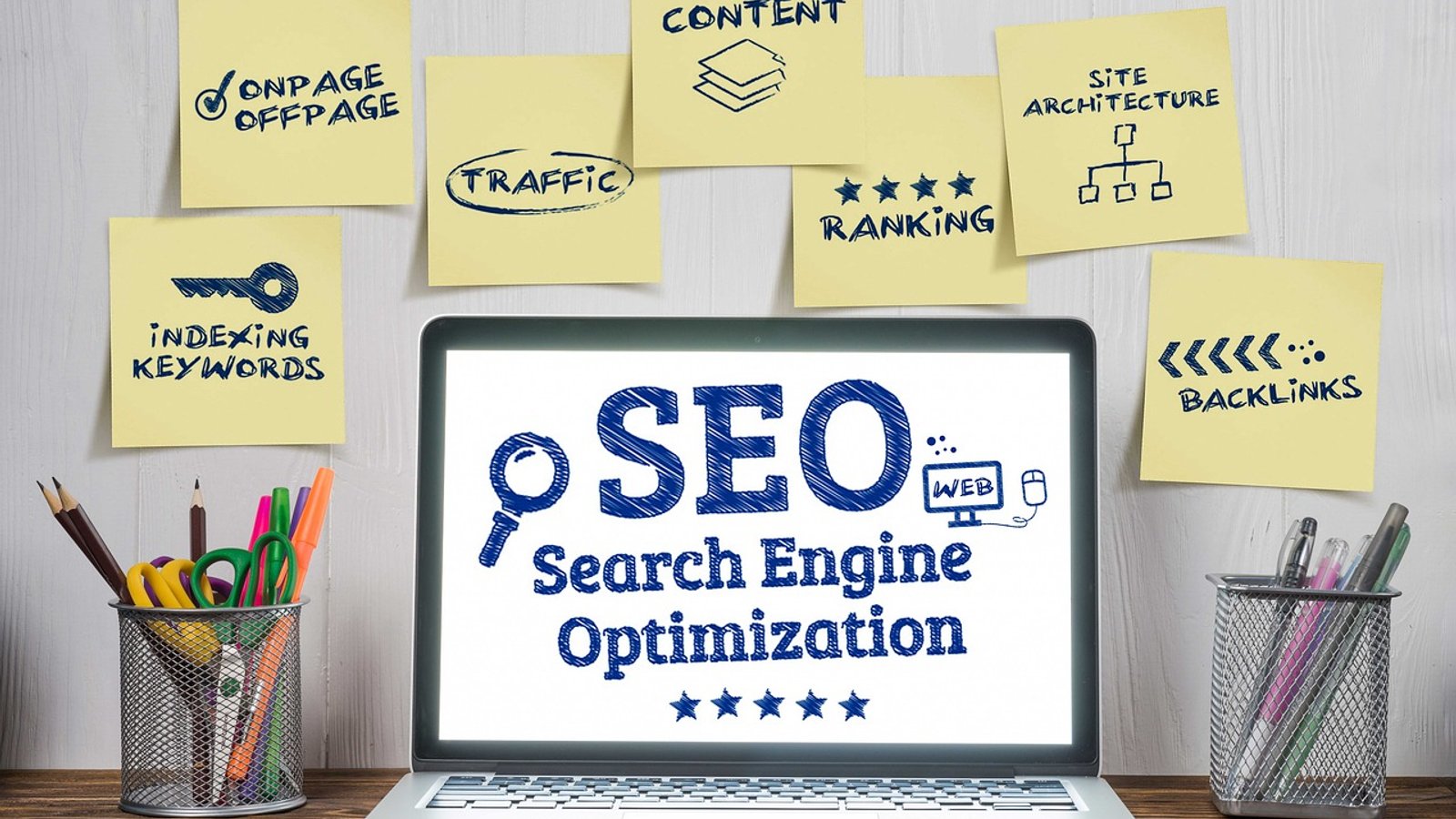
Google 2026 core update weights information gain, entity authority, and extractable structure, splitting ranking from AI citation. Get the action checklist.

Internal retrieval and external AI visibility share one base. Tengence unifies Search and GEO on one content base, solving findable inside and citable outside.

AI search optimization outcomes are highly industry-specific. This article reviews five industries, four replicable patterns, and a 30-day launch checklist.

Enterprise GEO fails less on strategy than on running stage-three tactics on stage-one infrastructure. Diagnose maturity, advance by stage, add governance.

Backlinks still matter in the AI era, but as a trust foundation: Ahrefs data shows backlink volume correlates at 0.218 vs 0.664 for unlinked brand mentions.

A top rank does not mean AI mentions you. Nobori: ~3% citation inclusion; Otterly: ~73% block AI crawlers. Six metrics, a five-step check, three priorities.

Zero-click search now drives ~68% of US Google searches. Brands cited in AI Overviews earn ~35% higher organic clicks. Learn why your website still matters.

Chinese AI platforms cite by ecosystem not algorithm: Doubao ByteDance, Qianwen Alibaba, Kimi sourced, Wenxin Baidu, Yuanbao WeChat. Allocate per platform.

ChatGPT cites encyclopedic references, Perplexity community reviews, Gemini multi-source confirmation. Referral share ≠ citation slots—tilt assets per platform.

Group keywords by topic and intent so one page owns each cluster; internal links lock the hub-and-spoke hierarchy. Map, link, never reverse the sequence.
Audit enterprise SEO across seven dimensions — crawl, index, metadata, content, performance, structured data, and AI visibility — for a prioritized fix plan.
Long-tail keyword strategy: mine, filter, place, and monitor low-competition keywords in four steps. Learn five sourcing channels and three filtering metrics.

A practical GEO checklist you can start today: four stages from 0 to 1, a copy-ready self-audit table, four pitfalls to avoid, and three first-week actions.

Learn where AI search traffic comes from, how five citation and referral entry points work, and how to build a measurable acquisition plan in 12 weeks.
New-site SEO: a 12-week 0-to-1 path across four phases — technical foundation, keyword architecture, content production, authority building — with weekly tasks.
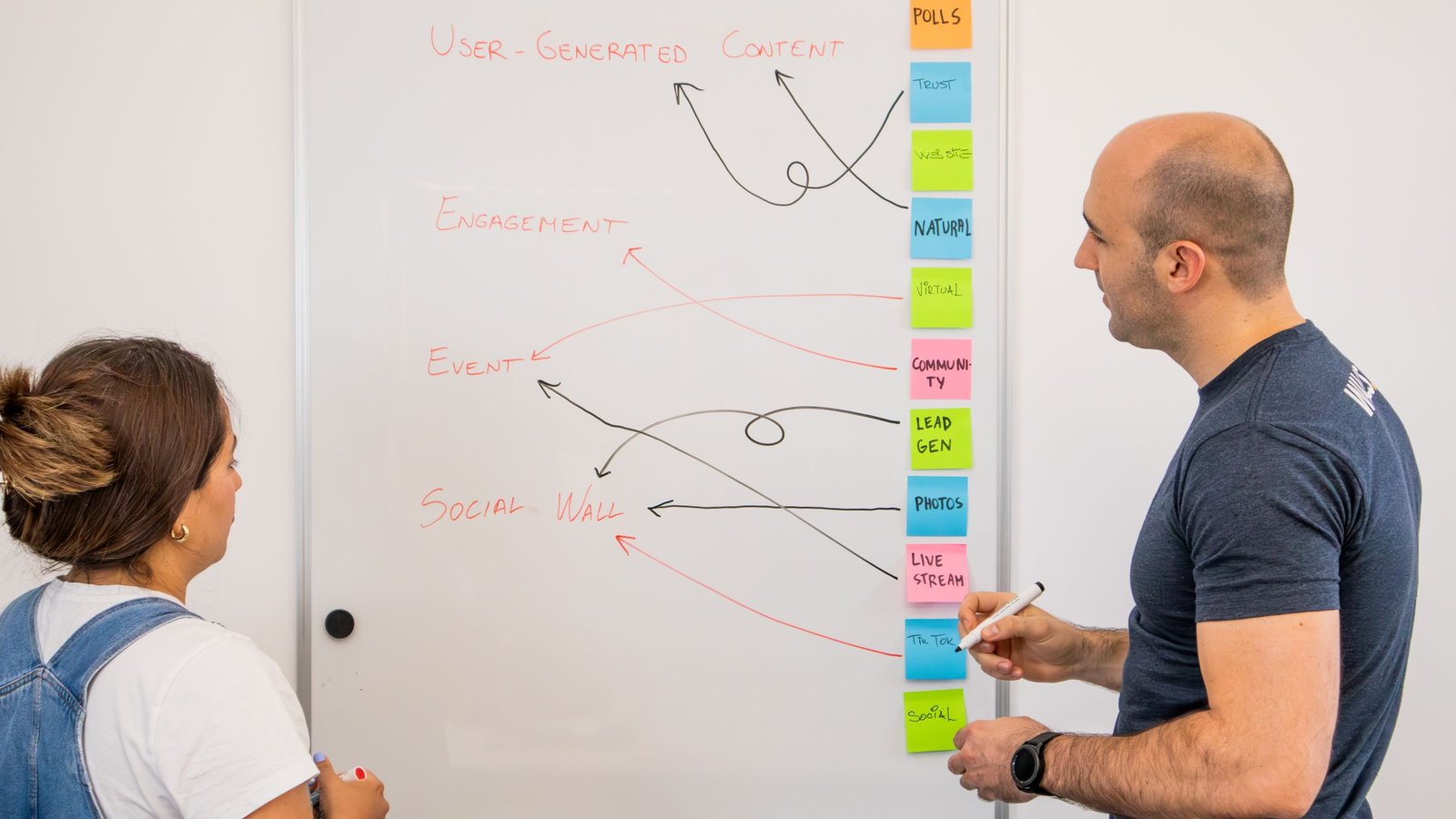
Use this practical 7-step GEO framework to improve AI search visibility with stronger authority, clearer structure, technical access, and entity signals.

GEO measurement is a three-layer KPI stack: crawl health, AI citations and business outcomes. Holdout A/B, stable prompts and fixed windows isolate real gains.
Explains RAG retrieval and LLM pipelines in AI search, compares ChatGPT, Claude, and Perplexity, and gives a GEO roadmap for structured data and citations.
SEO fights for search rankings; GEO fights for AI-answer citations. This table compares them across nine dimensions and gives budget and execution-order advice.

AI-search 2026 changes: answers as default, citations replace clicks, budgets go two-track, platforms split, deals close, measurement lags — plus action plan.
