

How LLMs Fetch Web Pages: The Full Chain of Crawling, Fetching, and Parsing
LLMs don't browse the web. They fetch HTML, parse structure, strip boilerplate, chunk, embed it, then retrieve the best chunk with a citation at answer time.
Oct 11, 2026
LLMs don't browse the web. They fetch HTML, parse structure, strip boilerplate, chunk, embed it, then retrieve the best chunk with a citation at answer time.

Enterprise GEO fails less on strategy than on running stage-three tactics on stage-one infrastructure. Diagnose maturity, advance by stage, add governance.

AI search reads paragraphs, not pages: every chunk must be a self-contained answer. Five rules — front-load, add facts, add structure — decide if AI cites you.

AI answer engines cite media via text signals—alt, captions, schema, transcripts. Make your images and videos citable for 317% more AI Overview citations.
In 2026, GEO tools made 'are we cited in AI answers' measurable, not guesswork. This roundup compares top tools by goal, team size, and Chinese engine coverage.
Many local shops go unseen in AI answers. Learn the 5-pillar local GEO framework—GBP, schema, NAP, reviews, and hyperlocal content—to get cited by AI in 2026.
GEO success is whether AI cites you, not mentions alone. Build a metric tree from presence to trust: three layers, five KPIs, Share of Model, a tool matrix.
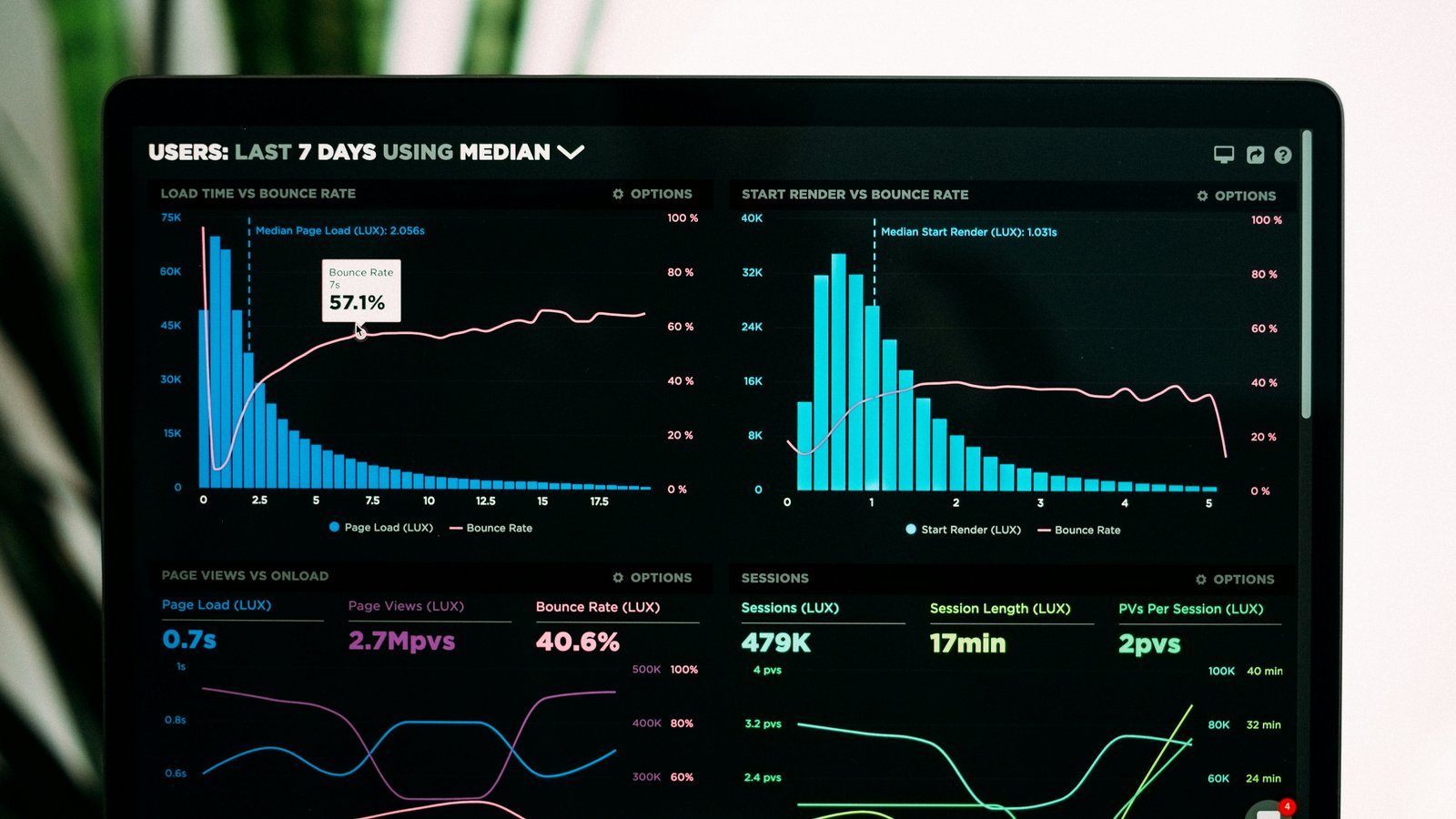
GEO success is not ranking but being cited in AI answers. Build a DIY monitoring dashboard with four core metrics, per-engine sampling and an accuracy check.
A 90-day battle plan for enterprise GEO: audit and rewrite existing pages, ship GEO-native content, and measure AI citation rate using the four CITE levers.

GEO in healthcare and finance is less about whether to do it than whether it breaks rules: YMYL, four medical E-E-A-T elements, finance limits, three red lines.
