

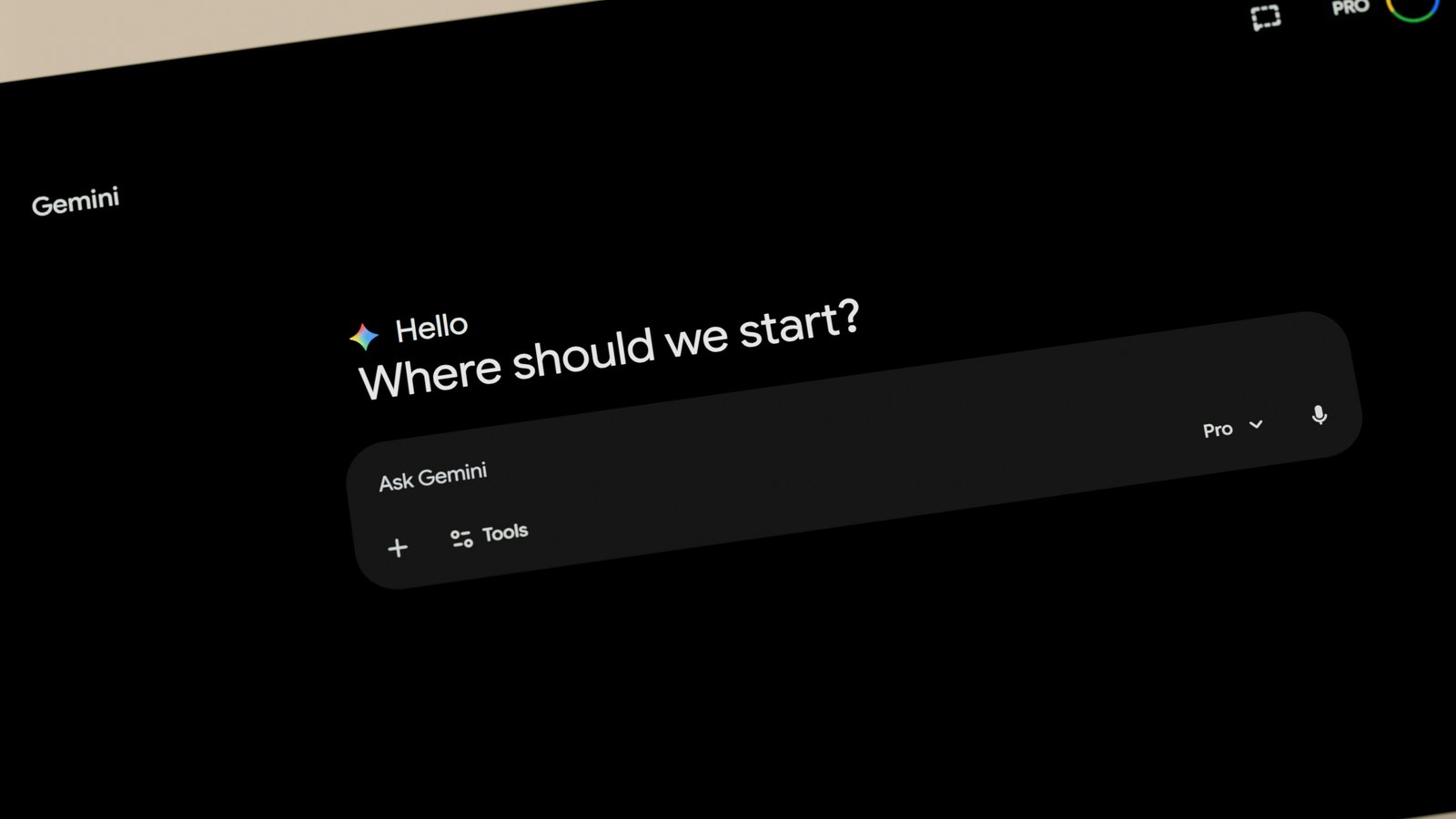
ChatGPT vs Perplexity vs Gemini vs AI Overviews: Whose Citations Can You Trust
AI engines cite differently. This guide scores ChatGPT, Perplexity, Gemini, and AI Overviews on 3 dimensions and gives 3 GEO takeaways to lift citation odds.
Nov 4, 2026
AI engines cite differently. This guide scores ChatGPT, Perplexity, Gemini, and AI Overviews on 3 dimensions and gives 3 GEO takeaways to lift citation odds.
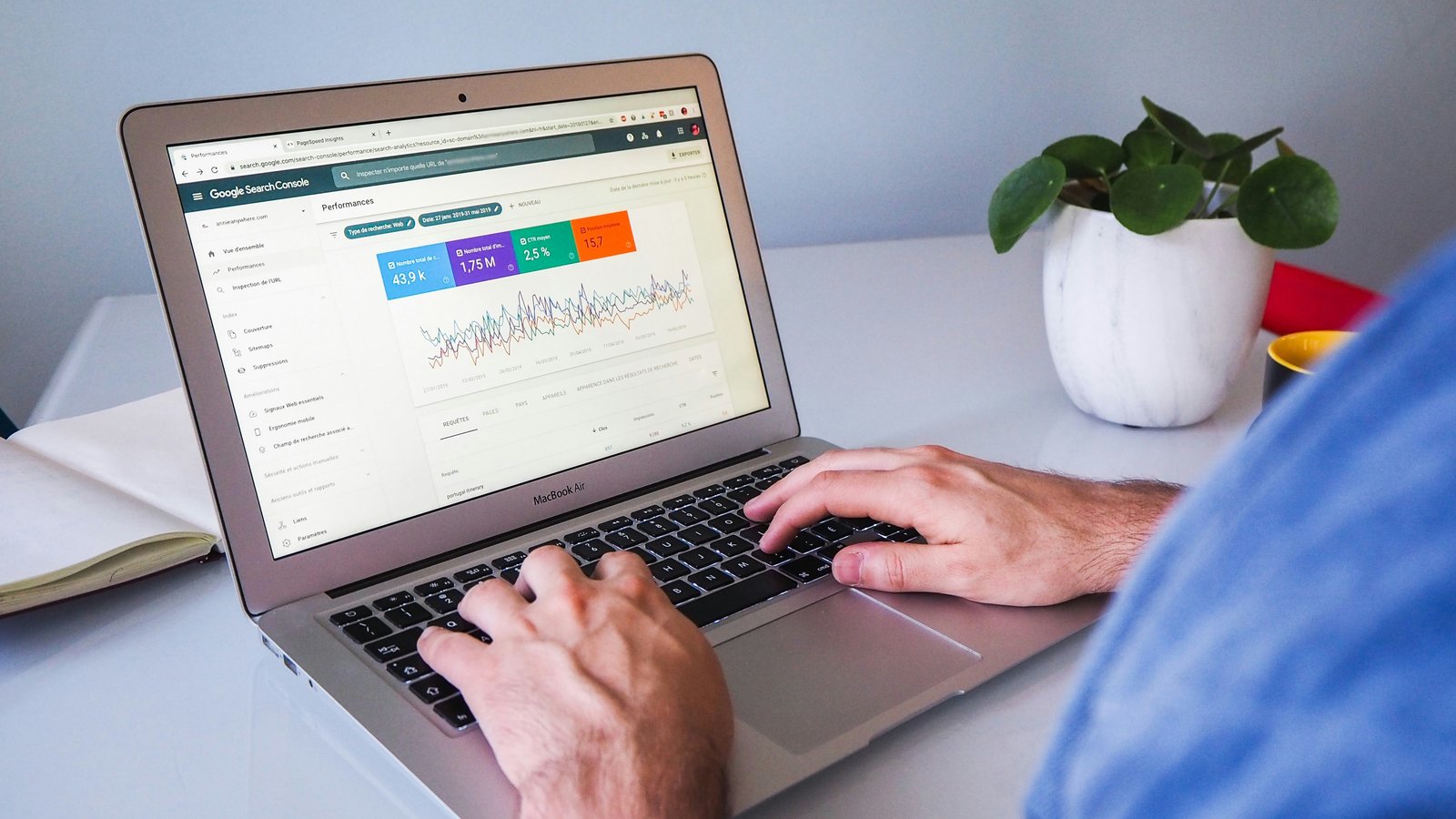
GEO tools went mainstream in 2026. This guide compares 6 leading tools on monitoring, actionability, and multilingual coverage, with Tengence GEO's positioning.
Grok, xAI's answer engine, picks pages to cite. This walkthrough splits citation into four gates and uses a fixed set to measure mention, citation, attribution.

Wikidata is the machine-readable fact backbone for AI; Wikipedia is training corpus and citation source. Learn the split, notability bar and five build steps.

Structured data (Schema.org + JSON-LD) is the closest thing to an API for AI search: it writes page facts as machine-readable data so AI cites you, not guesses.

AI rewards evidence density, not keywords. Allow AI crawlers, publish llms.txt, open with 40–60 word answer blocks, add cited data, build off-site authority.

LLMs don't browse the web. They fetch HTML, parse structure, strip boilerplate, chunk, embed it, then retrieve the best chunk with a citation at answer time.

AI search reads paragraphs, not pages: every chunk must be a self-contained answer. Five rules — front-load, add facts, add structure — decide if AI cites you.
AI answer engines cite media via text signals—alt, captions, schema, transcripts. Make your images and videos citable for 317% more AI Overview citations.
In 2026, GEO tools made 'are we cited in AI answers' measurable, not guesswork. This roundup compares top tools by goal, team size, and Chinese engine coverage.

Many local shops go unseen in AI answers. Learn the 5-pillar local GEO framework—GBP, schema, NAP, reviews, and hyperlocal content—to get cited by AI in 2026.
GEO success is whether AI cites you, not mentions alone. Build a metric tree from presence to trust: three layers, five KPIs, Share of Model, a tool matrix.
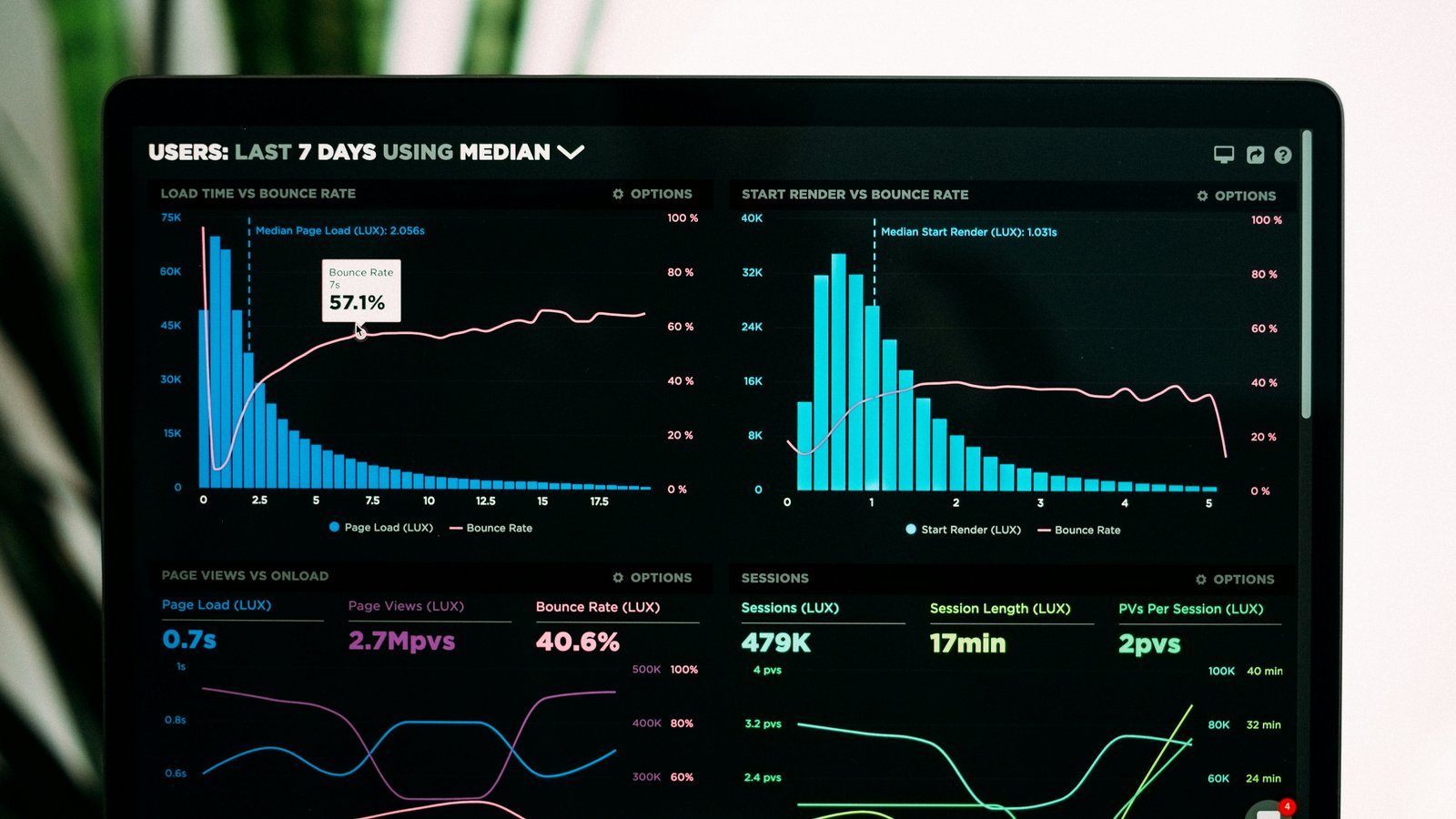
GEO success is not ranking but being cited in AI answers. Build a DIY monitoring dashboard with four core metrics, per-engine sampling and an accuracy check.
A 90-day battle plan for enterprise GEO: audit and rewrite existing pages, ship GEO-native content, and measure AI citation rate using the four CITE levers.

GEO in healthcare and finance is less about whether to do it than whether it breaks rules: YMYL, four medical E-E-A-T elements, finance limits, three red lines.

Win AI-search citations by becoming a verifiable entity. This guide explains E-E-A-T, entity and author signals, and a 12-point enterprise self-check.
AI search in 2026: ChatGPT 1.1B MAU and Chinese AI apps 446M as traffic shifts to AI answers. See the landscape and why GEO is the new ticket for brands.
AI search rewrote SEO: zero-click ~60% of searches, AI Overviews cut CTR 34–61%, cited brands gain 35% organic and 91% paid clicks. Get the 2026 playbook.
Google does not penalize AI use, but scaling low-value AI content triggers spam policy. Learn disclosure templates, IPTC metadata, and a 3-red-line self-check.

A content calendar is not a publish schedule: it binds topic sources, capacity and channel rules. Four layers, five supply lines, and a 70%-80% buffer rule.
