


Hybrid Search Architecture: Fusing BM25 and Vector Recall with RRF
Hybrid search fuses BM25 with vector retrieval through one ranking layer. Covers 3 mechanisms and 5 steps; Tengence Search adds multi-route fusion ranking.
Nov 22, 2026
Hybrid search fuses BM25 with vector retrieval through one ranking layer. Covers 3 mechanisms and 5 steps; Tengence Search adds multi-route fusion ranking.
Enterprise search cost spans licensing, infrastructure, integration and maintenance. This 3-year TCO table compares open-source, SaaS and custom-build options.

Multi-turn search is hard because the second turn rarely stands alone. This guide covers anaphora, drift, pollution, and the production fixes that make it work.

GraphRAG pairs a knowledge graph with summaries so LLMs answer local and global queries, covering 3 core features and 5 steps; Tengence GEO spans 10+ engines.
How should you layer enterprise search? This guide splits it into five layers and compares build, open-source, and managed routes, with a launch loop.

MCP standardises how a model calls external systems. This guide covers the three roles, four integration steps and the traps of enterprise search integration.

Agentic RAG hands retrieval to an autonomous agent that plans, rewrites queries and picks sources. This guide covers the definition and rollout checklist.
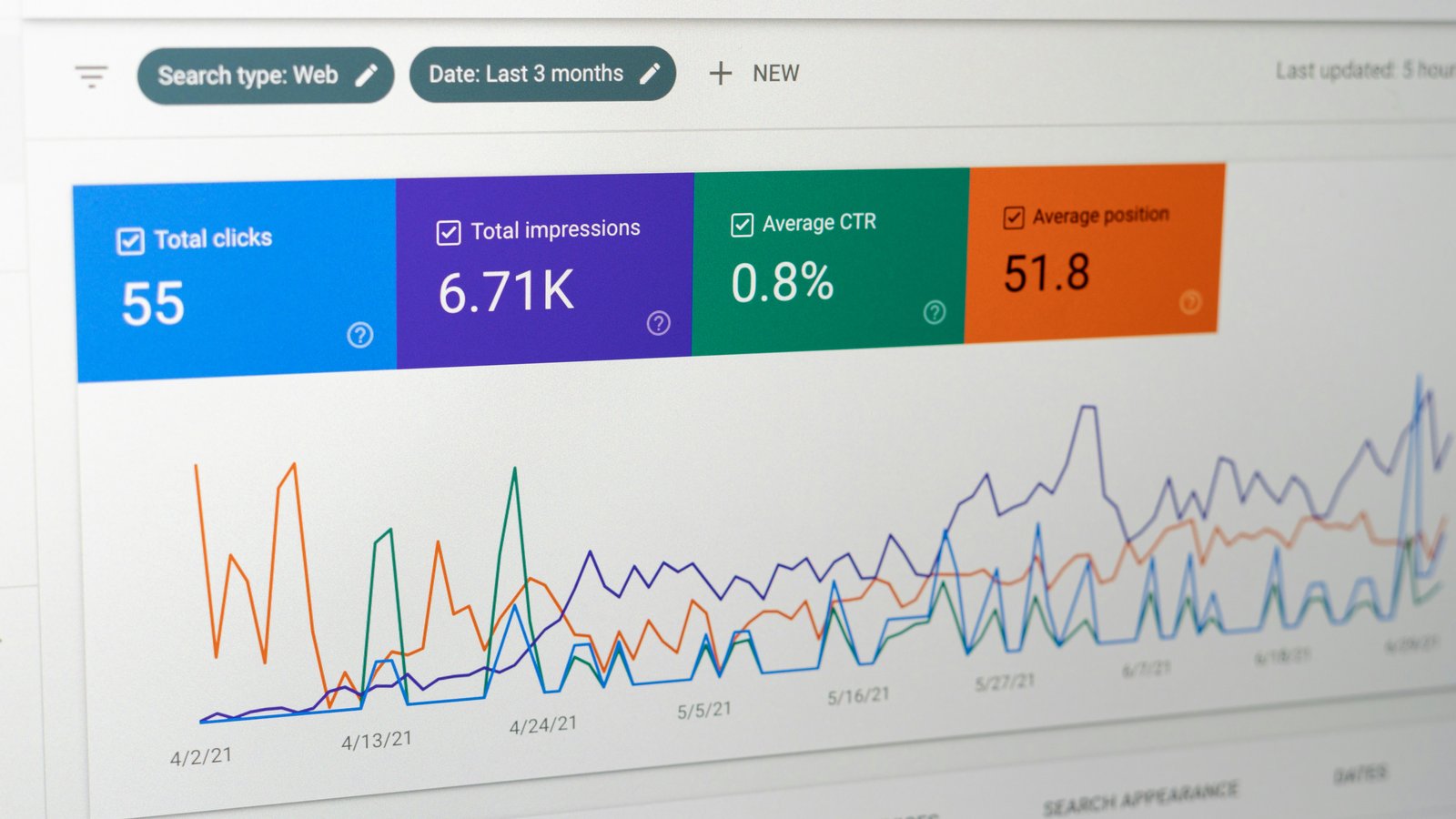
Perplexity uses PerplexityBot and the licensed Bing/Google indexes to find pages, citing answer-first, structured content. This guide gives an SEO checklist.

MCP is not a ranking factor, but it changes how AI agents reach enterprise data. Learn the real impact on GEO strategy and practical first steps for 2026 and beyond.

GEO cannot run on gut feel; dashboards quantify AI citations. This breaks down 3 categories and 5 KPIs, and Tengence GEO covers monitoring across 10+ engines.

Cross-border sites are shifting to ChatGPT and Perplexity citations. Covers GEO vs SEO, three cited scenarios, six steps to earn AI citations, three metrics.

Overseas sites must serve Google and AI engines like ChatGPT and Claude. Covers crawler classes, JS rendering gap, robots.txt tiers, AI-crawlability checklist.

RAG fixes what models cannot know: your private data, last week's policy update, internal knowledge. Retrieve first, then generate with sources, no retraining.

Choosing a vector database? Compare Milvus, Qdrant, Elasticsearch and pgvector on cost, hybrid search and migration effort, with a three-question decision tree.

Search is only data-driven if tracking is right: four must-collect events, timing, dedup, zero-result and rewrite tracking, and log-to-dashboard flows.

Enterprise search-recommendation is entering its fourth generation: rules, ML ranking, vectors, and LLM agents. We cover six trends and three moves to prepare.

Search-recommendation systems win on feedback, not models. We cover signal weights, bias correction, three update cadences, and a flywheel health check.

Can't find it? The right result often never entered the pool. Seven recall moves: understanding, synonyms, multi-path recall, vector fill-in, field coverage.

Search ranking dropped? Don't touch the ranker first. Rule out false drops, diagnose by metrics, find root cause via rollback, then recover in three phases.

Enterprise search turns scattered needs into one pipeline, one query service, one permission system. Covers architecture, hybrid retrieval, and reranking.
