


Long-Tail Keyword Strategy: How to Mine and Place Low-Competition Keywords
Long-tail keyword strategy: mine, filter, place, and monitor low-competition keywords in four steps. Learn five sourcing channels and three filtering metrics.
Sep 12, 2026
Long-tail keyword strategy: mine, filter, place, and monitor low-competition keywords in four steps. Learn five sourcing channels and three filtering metrics.

A practical GEO checklist you can start today: four stages from 0 to 1, a copy-ready self-audit table, four pitfalls to avoid, and three first-week actions.

Build a private-domain repeat purchase engine in 90 days: hard cost data, three costly myths, a five-step SOP, layered tags and a Reusable 90-day case study.

Site search explained: how the four-stage pipeline works, the seven metrics that matter, and the intent, retrieval and operations capabilities behind it.

How personalized recommendation algorithms evolved: collaborative filtering, matrix factorization and deep learning, explained with metrics and rollout tiers.

Learn how recommendation systems use retrieval, ranking, and re-ranking to narrow millions of candidates into relevant results under tight latency limits.

Learn where AI search traffic comes from, how five citation and referral entry points work, and how to build a measurable acquisition plan in 12 weeks.

New-site SEO: a 12-week 0-to-1 path across four phases — technical foundation, keyword architecture, content production, authority building — with weekly tasks.
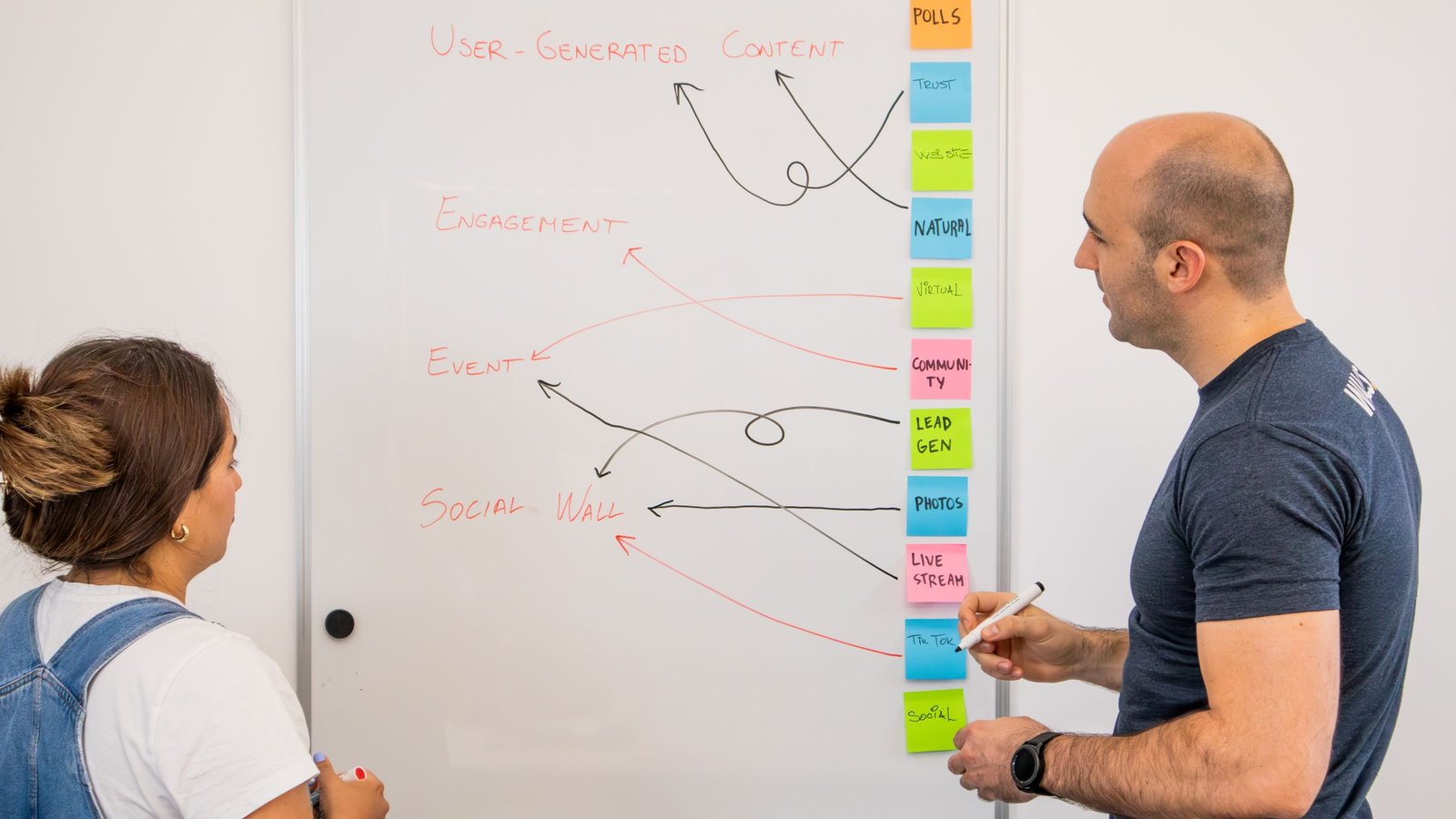
Use this practical 7-step GEO framework to improve AI search visibility with stronger authority, clearer structure, technical access, and entity signals.

A practical five-step path for enterprise AI transformation: strategic alignment, current-state assessment, a fast POC, scaled rollout and ongoing optimization.

Explains RAG retrieval and LLM pipelines in AI search, compares ChatGPT, Claude, and Perplexity, and gives a GEO roadmap for structured data and citations.

SEO fights for search rankings; GEO fights for AI-answer citations. This table compares them across nine dimensions and gives budget and execution-order advice.

RAG hallucination is a pipeline problem: fix recall and chunking, enforce citation-bound answers and abstention, then regress faithfulness on a fixed eval set.

E-commerce conversion rate optimization from traffic to checkout: funnel analysis, landing pages, purchase flow, win-back, A/B testing, and ROI measurement.
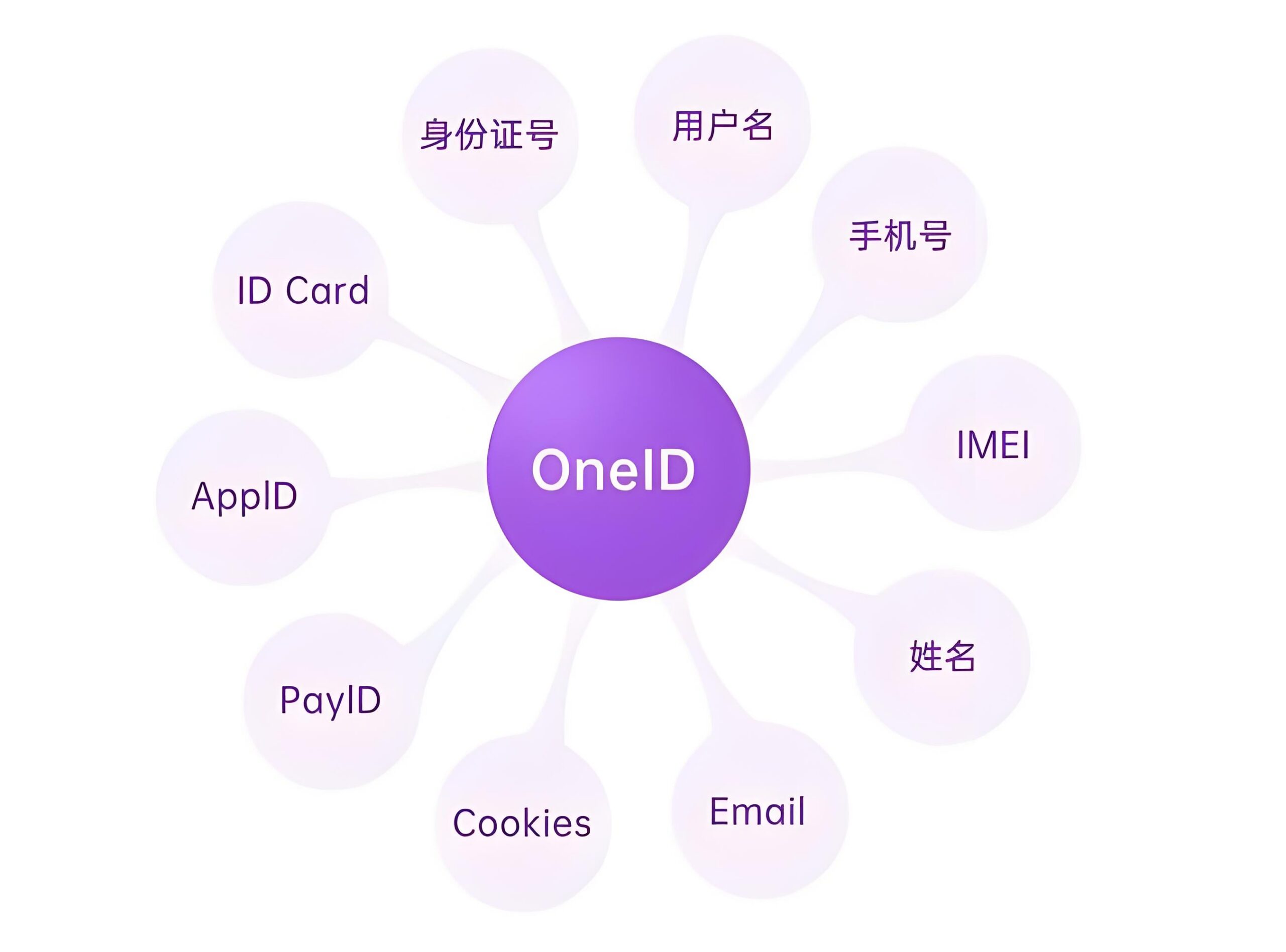
OneID turns devices, accounts and contact points into nodes and verified links into edges, then merges them with union-find. See the tables and privacy rules.

GEO (generative engine optimization) gets content selected, extracted, and cited in AI answers. Learn the definition, mechanics, and how it differs from SEO.

Five proven CTR optimization tactics: headline formulas, description copy, rich media, A/B testing and monitoring, to lift ad click-through rate by 30% or more.

Enterprise data analysis made practical: four analysis layers, funnel, attribution, retention and segmentation methods, dashboard design, alerting, and ROI.

See how the Tengence recommendation system lifts e-commerce CTR, CVR and GMV with real-time personalization, hybrid algorithms and a recall-to-rerank pipeline.

Learn the 5 keys to site search optimization, from speed and relevance to error correction, ranking, and mobile UX, with metrics from a Tengence case study.
