


Enterprise Search Relevance Tuning: Scoring and Feedback
Relevance tuning with receipts: field weights and a popularity boost took Precision@5 to 0.74, and a 2-week 50/50 A/B test showed CTR up 8% and revenue up 6%.
Nov 26, 2026
Relevance tuning with receipts: field weights and a popularity boost took Precision@5 to 0.74, and a 2-week 50/50 A/B test showed CTR up 8% and revenue up 6%.

Google's AI report shows impressions only: no clicks, no queries, no position. How to read it, where counting bends, and the query layer it withholds.

AI referrals now convert 31% better than non-AI in retail, with 83% higher revenue per visit and 53% higher add-to-cart. Cross-border stores need three fixes.

AI search behavior by country differs in assistant mix, query idiom and trusted sources. Learn a three-pass localization order and per-market visibility checks.
Enterprise search cost spans licensing, infrastructure, integration and maintenance. This 3-year TCO table compares open-source, SaaS and custom-build options.

In B2B software one brand can appear in 96% of AI answers while rivals go unnamed. How alternatives pages earn a mention, and why recall is not recommendation

Multi-turn search is hard because the second turn rarely stands alone. This guide covers anaphora, drift, pollution, and the production fixes that make it work.

Review directories and communities dominate AI citations, not as vendors assume. A 41,592-query measurement shows which third-party surfaces to invest in.

A content stack is three jobs, not one tool: drafting, optimisation and publishing. Stack entry tiers run roughly $49 to $79 a month, and WordPress still runs

Agentic retrieval lifts nDCG at 10 by 8.7 points but costs 107.4 seconds per query against 0.67 for one pass. Five patterns keep the gain without the cost.
AI answers do not grade brands with adjectives. Here is a 6-step protocol to measure mention tone across engines, with 4 claim classes and 5 boundary rules.
How should you layer enterprise search? This guide splits it into five layers and compares build, open-source, and managed routes, with a launch loop.
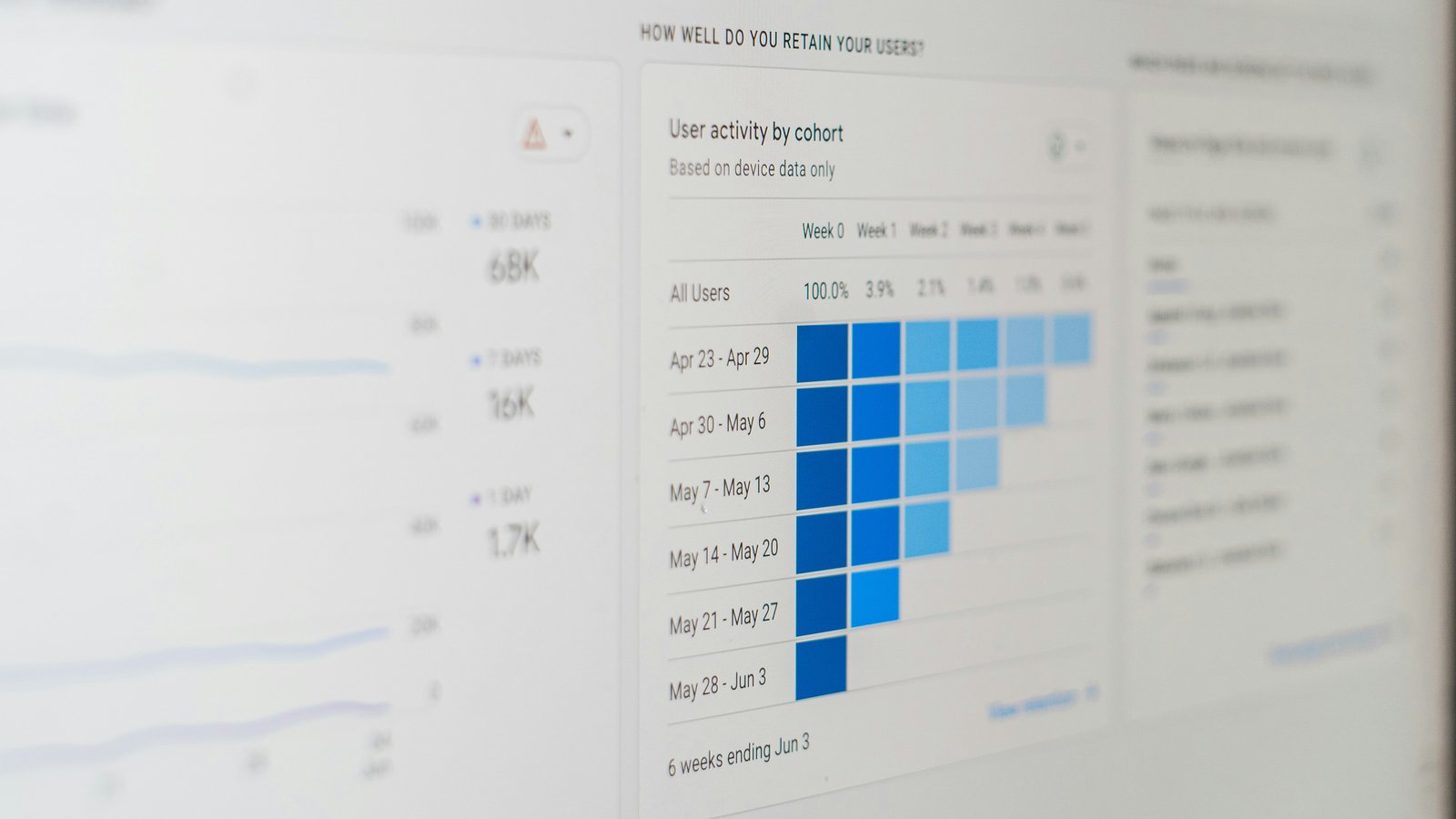
Enterprise search access control: set index-, document-, and field-level boundaries, choose between RBAC, ABAC, and ACL, and apply a six-gate checklist.

MCP standardises how a model calls external systems. This guide covers the three roles, four integration steps and the traps of enterprise search integration.

Agentic RAG hands retrieval to an autonomous agent that plans, rewrites queries and picks sources. This guide covers the definition and rollout checklist.

MCP is not a ranking factor, but it changes how AI agents reach enterprise data. Learn the real impact on GEO strategy and practical first steps for 2026 and beyond.
Algolia alternatives compared on cost, hosting and semantic search: Typesense, Meilisearch, OpenSearch, Elasticsearch and Tengence, plus a 2-week cutover plan.
Search API integration comes down to 4 things: auth, APIs, requests, and tuning. This guide gives a 6-step path from keys to tuning, plus a launch checklist.

Internal retrieval and external AI visibility share one base. Tengence unifies Search and GEO on one content base, solving findable inside and citable outside.

AI search optimization outcomes are highly industry-specific. This article reviews five industries, four replicable patterns, and a 30-day launch checklist.
