


Enterprise Search Relevance Tuning: Scoring and Feedback
Relevance tuning with receipts: field weights and a popularity boost took Precision@5 to 0.74, and a 2-week 50/50 A/B test showed CTR up 8% and revenue up 6%.
Nov 26, 2026
Relevance tuning with receipts: field weights and a popularity boost took Precision@5 to 0.74, and a 2-week 50/50 A/B test showed CTR up 8% and revenue up 6%.

Google's AI report shows impressions only: no clicks, no queries, no position. How to read it, where counting bends, and the query layer it withholds.

AI referrals now convert 31% better than non-AI in retail, with 83% higher revenue per visit and 53% higher add-to-cart. Cross-border stores need three fixes.

AI search behavior by country differs in assistant mix, query idiom and trusted sources. Learn a three-pass localization order and per-market visibility checks.
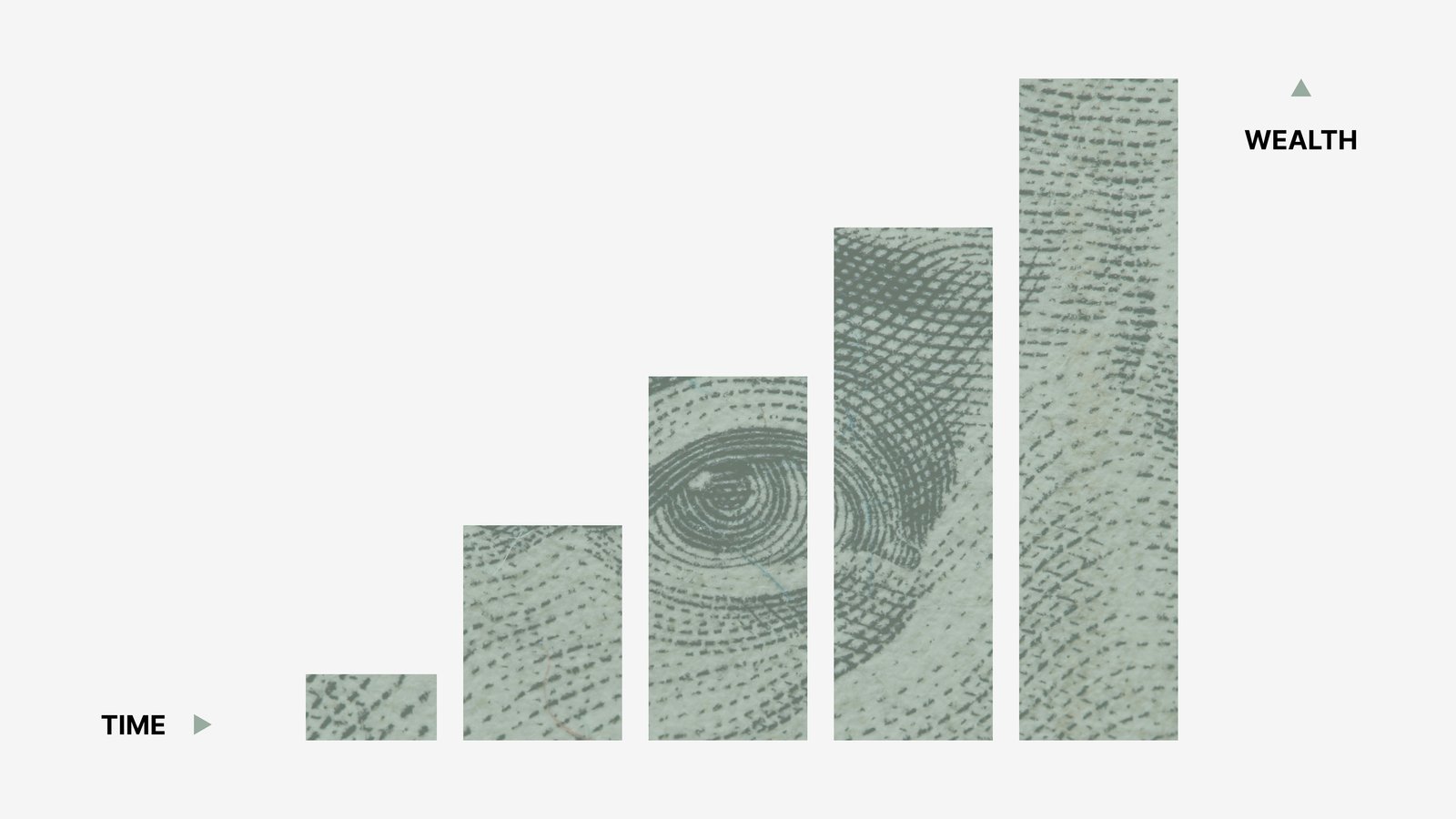
Enterprise search cost spans licensing, infrastructure, integration and maintenance. This 3-year TCO table compares open-source, SaaS and custom-build options.

In B2B software one brand can appear in 96% of AI answers while rivals go unnamed. How alternatives pages earn a mention, and why recall is not recommendation

Multi-turn search is hard because the second turn rarely stands alone. This guide covers anaphora, drift, pollution, and the production fixes that make it work.

Review directories and communities dominate AI citations, not as vendors assume. A 41,592-query measurement shows which third-party surfaces to invest in.

A content stack is three jobs, not one tool: drafting, optimisation and publishing. Stack entry tiers run roughly $49 to $79 a month, and WordPress still runs

Agentic retrieval lifts nDCG at 10 by 8.7 points but costs 107.4 seconds per query against 0.67 for one pass. Five patterns keep the gain without the cost.
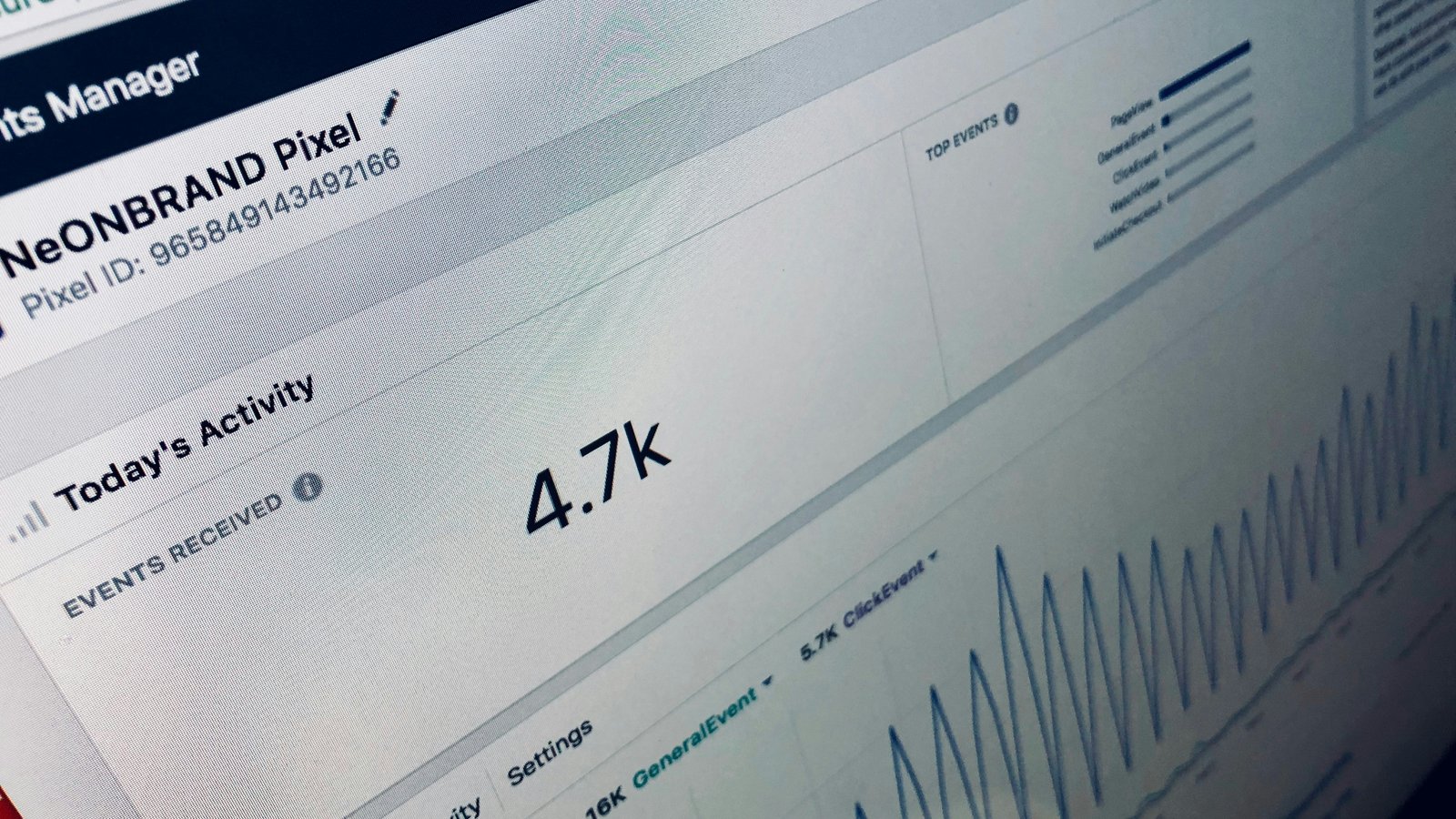
AI answers do not grade brands with adjectives. Here is a 6-step protocol to measure mention tone across engines, with 4 claim classes and 5 boundary rules.
How should you layer enterprise search? This guide splits it into five layers and compares build, open-source, and managed routes, with a launch loop.
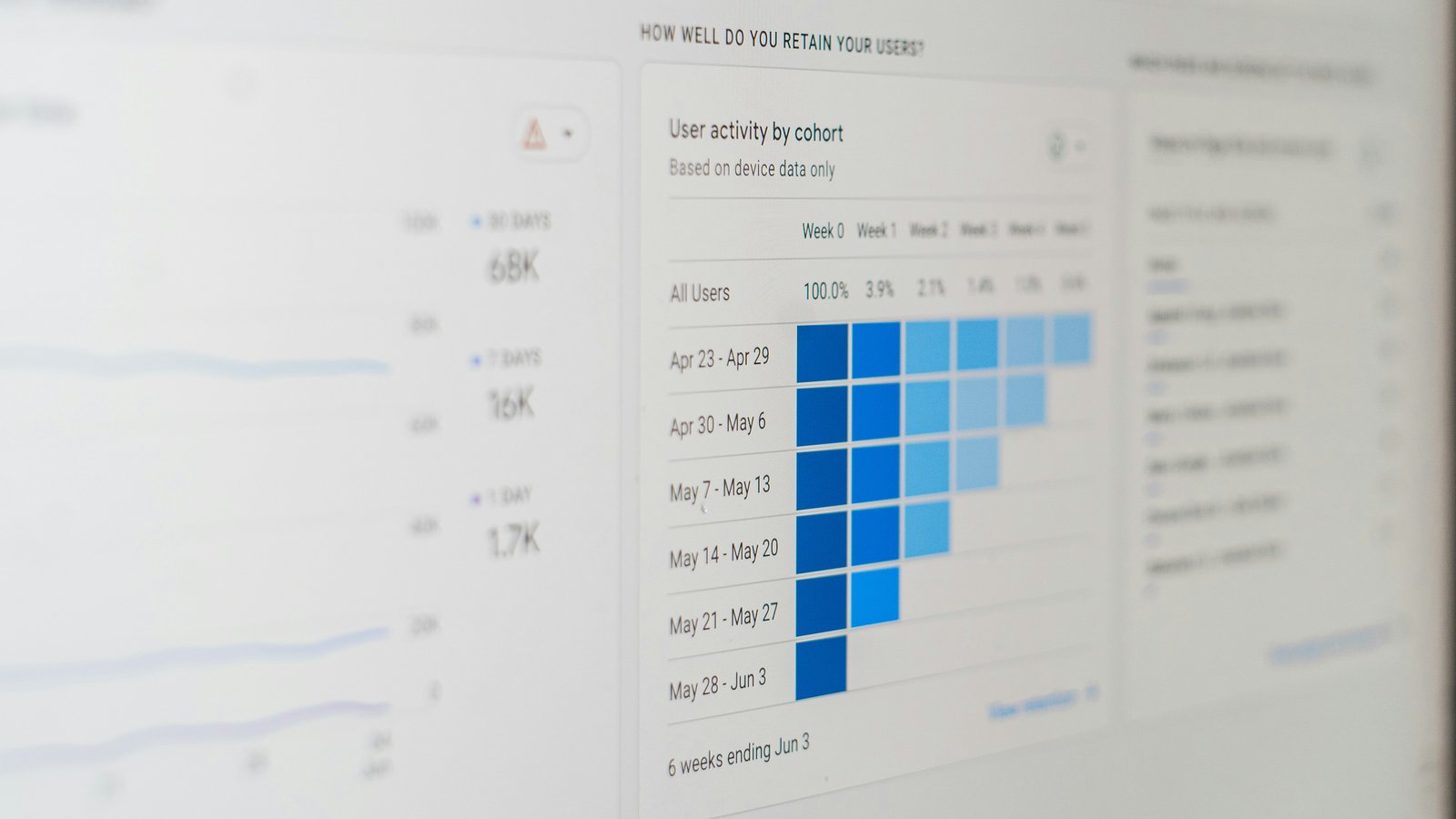
Enterprise search access control: set index-, document-, and field-level boundaries, choose between RBAC, ABAC, and ACL, and apply a six-gate checklist.

MCP standardises how a model calls external systems. This guide covers the three roles, four integration steps and the traps of enterprise search integration.

Agentic RAG hands retrieval to an autonomous agent that plans, rewrites queries and picks sources. This guide covers the definition and rollout checklist.

MCP is not a ranking factor, but it changes how AI agents reach enterprise data. Learn the real impact on GEO strategy and practical first steps for 2026 and beyond.
Algolia alternatives compared on cost, hosting and semantic search: Typesense, Meilisearch, OpenSearch, Elasticsearch and Tengence, plus a 2-week cutover plan.
Search API integration comes down to 4 things: auth, APIs, requests, and tuning. This guide gives a 6-step path from keys to tuning, plus a launch checklist.

Internal retrieval and external AI visibility share one base. Tengence unifies Search and GEO on one content base, solving findable inside and citable outside.

AI search optimization outcomes are highly industry-specific. This article reviews five industries, four replicable patterns, and a 30-day launch checklist.

On-site search for SaaS and content platforms is hard, but three hard constraints: multitenant isolation, fine-grained permissions, and heterogeneous content.

Query intent recognition sets the ceiling on search relevance. Most queries are only 2–3 words, so the engine must reconstruct intent before recall and ranking.

Enterprise search fails not on the algorithm but on linking legacy systems never built for APIs. Three questions, three cost lines, where the schedule goes.

Vector search in production: map queries and docs into a semantic space, replace brute-force with ANN, pick HNSW or IVF+PQ with hybrid retrieval plus reranking.

Site search UX optimization links autocomplete, correction, synonyms, faceted filters and zero-result recovery as one loop via latency and zero-result rate.

Enterprise knowledge base search fails when documents scatter and permissions differ. Rollout: ingestion, permission alignment, metadata, ranking, governance.

RAG evaluation fails when retrieval and generation scores merge. Use nDCG@10 and MRR for retrieval, faithfulness for generation, and A/B reports as a gate.

Build, open source Elasticsearch or SaaS? Score six dimensions: capability, staffing, license risk, scaling, compliance, three-year TCO, then pick by scale.

Cross-border search is not fixed by translating queries: tokenization, morphology and word order shift recall. Compare three architectures, analyzers, ranking.

Tengence Intelligent Search fixes four on-site search failures with query understanding, keyword and vector recall, fused ranking, rules and search analytics.

Build or buy search? In-house needs 6-8 people and 10-15 months to launch, plus 0.5-1.0 FTE. Compare Tengence Search SaaS on cost, timeline, and results.

Cut site-search zero-results rate below 2% in eight weeks: rank queries by frequency, then close synonym, spelling, and index gaps with eight strategies.

Five steps to optimize e-commerce site search: set the baseline, fix the index, improve query understanding, rework results and filters, then close the loop.

Site search explained: how the four-stage pipeline works, the seven metrics that matter, and the intent, retrieval and operations capabilities behind it.

Reranker choice is two-stage: a bi-encoder retrieves top-100 and a cross-encoder reranks to NDCG@10 = 74.30. Compare accuracy, latency and business rules.

RAG hallucination is a pipeline problem: fix recall and chunking, enforce citation-bound answers and abstention, then regress faithfulness on a fixed eval set.

Vector vs keyword search isn't either/or. BM25 for exact terms; vectors for synonyms. Hybrid retrieval is the default—BEIR nDCG@10 +5–15% over either alone.

Choosing a knowledge-base QA system hinges on retrieval, not the model. Compare build vs buy on cost, capability and time to value, with a team framework.

Unifying e-commerce search and recommendations: one data layer, shared algorithms, an 8-week rollout plan, and case results of +61% search conversion lift.

Learn the 5 keys to site search optimization, from speed and relevance to error correction, ranking, and mobile UX, with metrics from a Tengence case study.
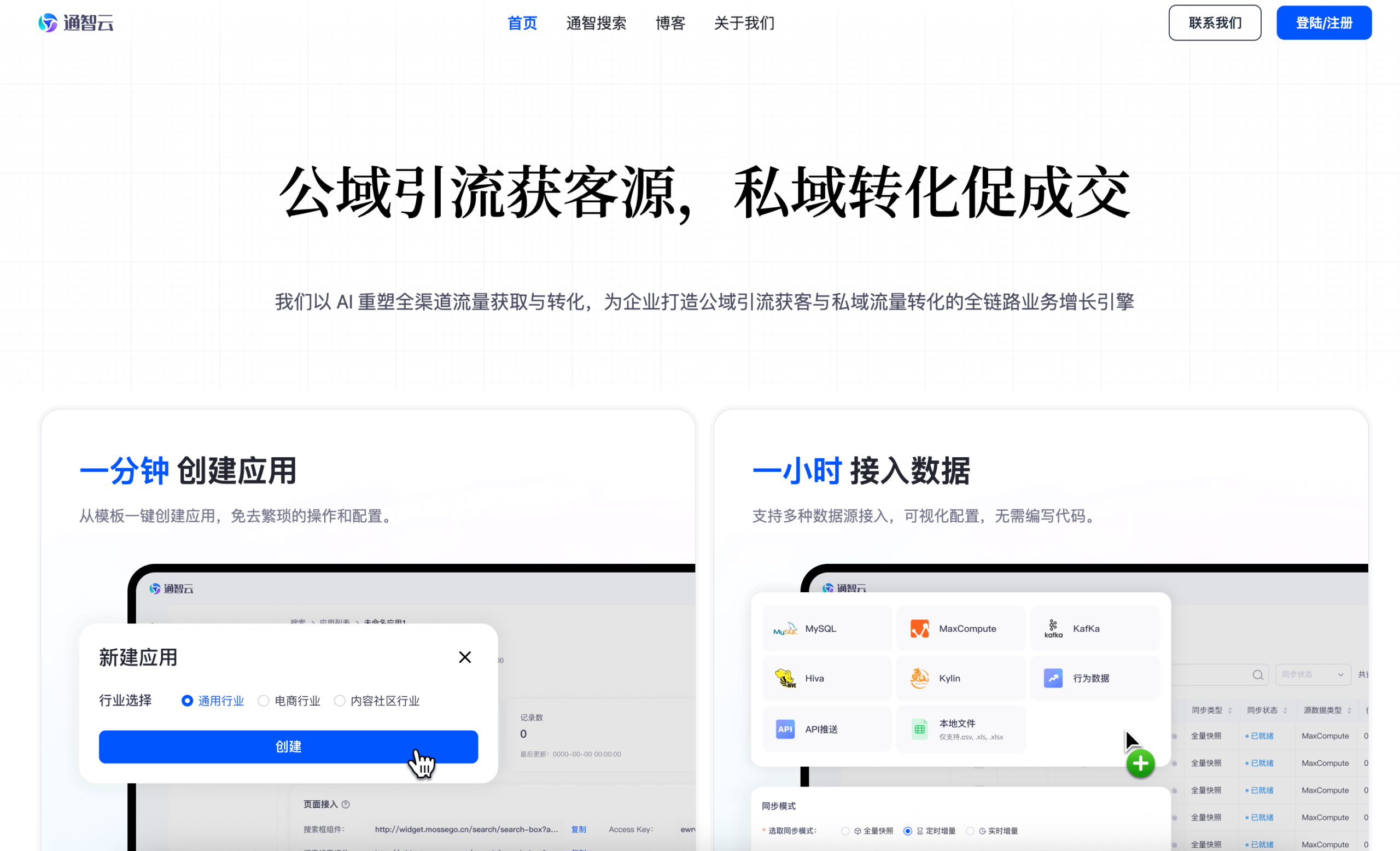
TENGENCE Cloud is an AI-driven growth engine. Its GEO+SEO dual engine builds visibility in search and AI answers; TENGENCE Search turns site search into revenue

Compare Algolia, Typesense, Meilisearch and self-hosted search on query understanding, ranking, cost and operations, with a framework by scale and team.

Set up Tengence Search in four steps: create an app, configure the index, build it, then integrate via the API or a page component. Practical walkthrough.

Tengence Search API: Bearer-token auth and POST /v1/search, with query, page, size, filters, aggregations and sortFields, operators, response fields, and curl/JS/Python exampl
