

Internal Linking Strategy: Growing Site Authority and Indexation
Internal links decide where authority flows. Fix orphan pages, diversify anchor text, keep key pages within 3 clicks, and build pillar-cluster structure.
Oct 12, 2026
Internal links decide where authority flows. Fix orphan pages, diversify anchor text, keep key pages within 3 clicks, and build pillar-cluster structure.

AI rewards evidence density, not keywords. Allow AI crawlers, publish llms.txt, open with 40–60 word answer blocks, add cited data, build off-site authority.

LLMs don't browse the web. They fetch HTML, parse structure, strip boilerplate, chunk, embed it, then retrieve the best chunk with a citation at answer time.

Help center search must resolve issues before a ticket is filed, not just deflect it. Turn failed searches into a content backlog and measure true deflection.

Enterprise GEO fails less on strategy than on running stage-three tactics on stage-one infrastructure. Diagnose maturity, advance by stage, add governance.

Enterprise search fails not on the algorithm but on linking legacy systems never built for APIs. Three questions, three cost lines, where the schedule goes.
Enterprise document search fails before the index: parsing, chunking, versioning and permissions that decide recall. A six-step, structure-first playbook.
How to size an A/B test, set the right duration, and judge significance: sample size, MDE, full business cycles, fixed stopping rules, multiple-testing fixes.

Compare BI tools by market tier, pricing model and governance strength: a practical 2026 selection guide for teams picking Tableau, Power BI or Looker.

AI search reads paragraphs, not pages: every chunk must be a self-contained answer. Five rules — front-load, add facts, add structure — decide if AI cites you.
Content search is not product search: learn how metadata, chapter and timestamp chunking, AI tagging and multimodal recall make articles and video findable.

AI answer engines cite media via text signals—alt, captions, schema, transcripts. Make your images and videos citable for 317% more AI Overview citations.
In 2026, GEO tools made 'are we cited in AI answers' measurable, not guesswork. This roundup compares top tools by goal, team size, and Chinese engine coverage.

Many local shops go unseen in AI answers. Learn the 5-pillar local GEO framework—GBP, schema, NAP, reviews, and hyperlocal content—to get cited by AI in 2026.

GEO success is whether AI cites you, not mentions alone. Build a metric tree from presence to trust: three layers, five KPIs, Share of Model, a tool matrix.
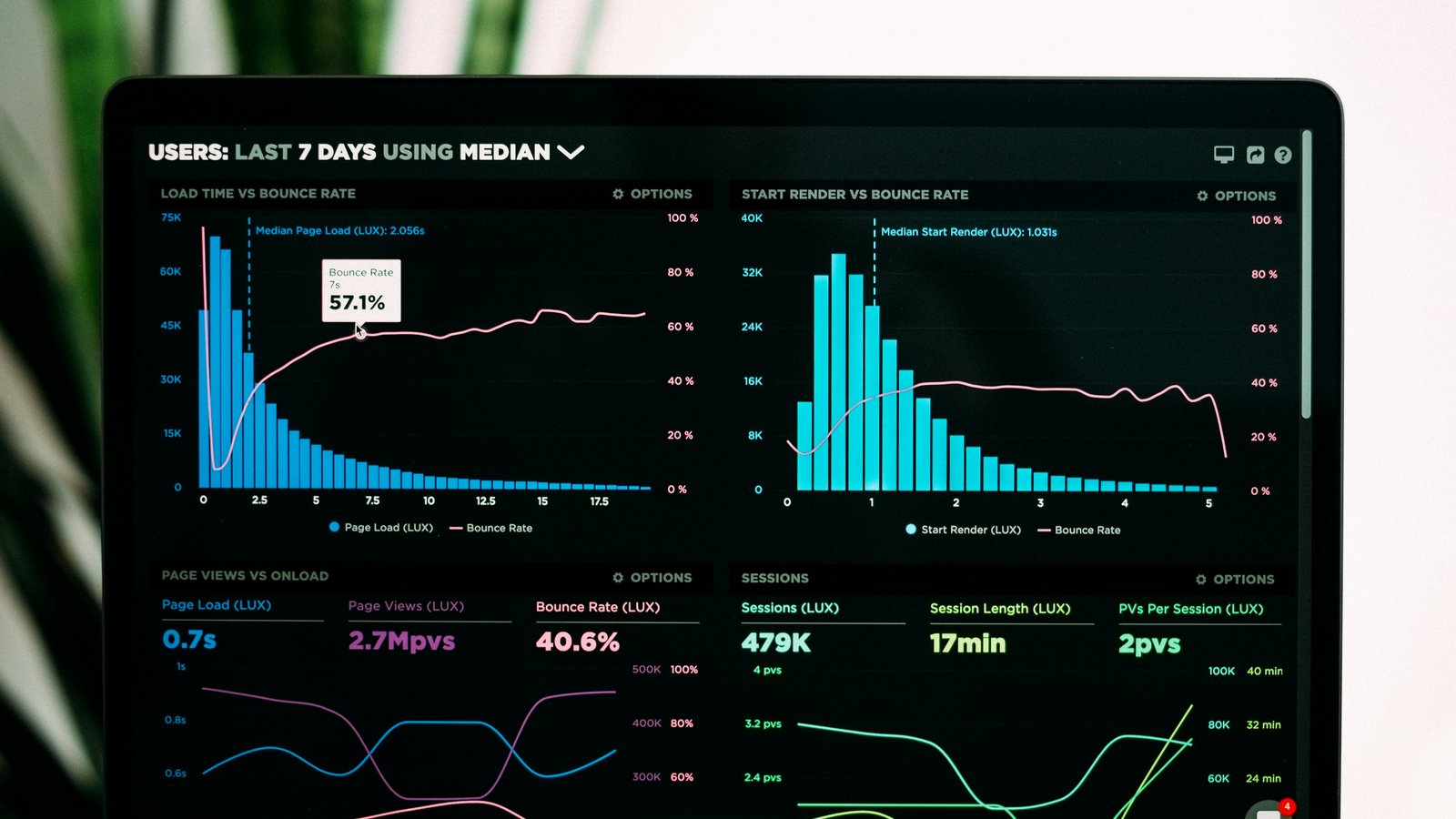
GEO success is not ranking but being cited in AI answers. Build a DIY monitoring dashboard with four core metrics, per-engine sampling and an accuracy check.
A 90-day battle plan for enterprise GEO: audit and rewrite existing pages, ship GEO-native content, and measure AI citation rate using the four CITE levers.

GEO in healthcare and finance is less about whether to do it than whether it breaks rules: YMYL, four medical E-E-A-T elements, finance limits, three red lines.

Win AI-search citations by becoming a verifiable entity. This guide explains E-E-A-T, entity and author signals, and a 12-point enterprise self-check.

Content optimization in 2026 serves users and AI: align intent, build E-E-A-T, use snippet structure, raise information density, refresh to earn rankings.


WeCom