


Best Marketing Analytics Tools 2026: How to Choose Among 6 Leading Platforms
Six marketing analytics platforms compared on data ingestion, attribution and AI query - with pricing bands, tracking cost and a three-step selection method.
Nov 5, 2026
Six marketing analytics platforms compared on data ingestion, attribution and AI query - with pricing bands, tracking cost and a three-step selection method.
Algolia alternatives compared on cost, hosting and semantic search: Typesense, Meilisearch, OpenSearch, Elasticsearch and Tengence, plus a 2-week cutover plan.
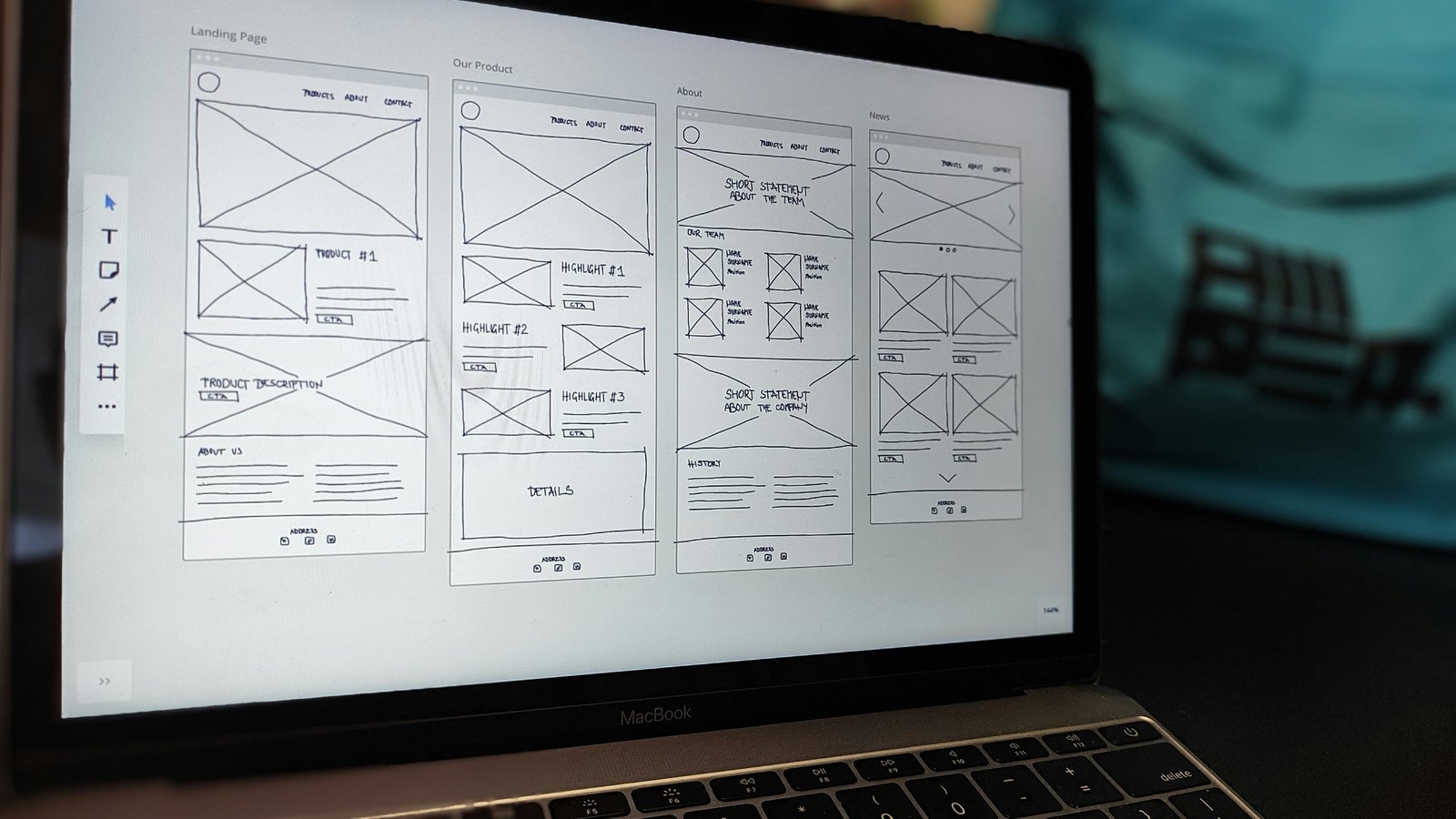
Programmatic SEO scales search traffic with data. This guide covers 3 core elements and 5-step path, showing how Tengence GEO bridges across 10+ AI engines.
AI engines cite differently. This guide scores ChatGPT, Perplexity, Gemini, and AI Overviews on 3 dimensions and gives 3 GEO takeaways to lift citation odds.

GEO tools went mainstream in 2026. This guide compares 6 leading tools on monitoring, actionability, and multilingual coverage, with Tengence GEO's positioning.
Search API integration comes down to 4 things: auth, APIs, requests, and tuning. This guide gives a 6-step path from keys to tuning, plus a launch checklist.

Cross-border sites are shifting to ChatGPT and Perplexity citations. Covers GEO vs SEO, three cited scenarios, six steps to earn AI citations, three metrics.
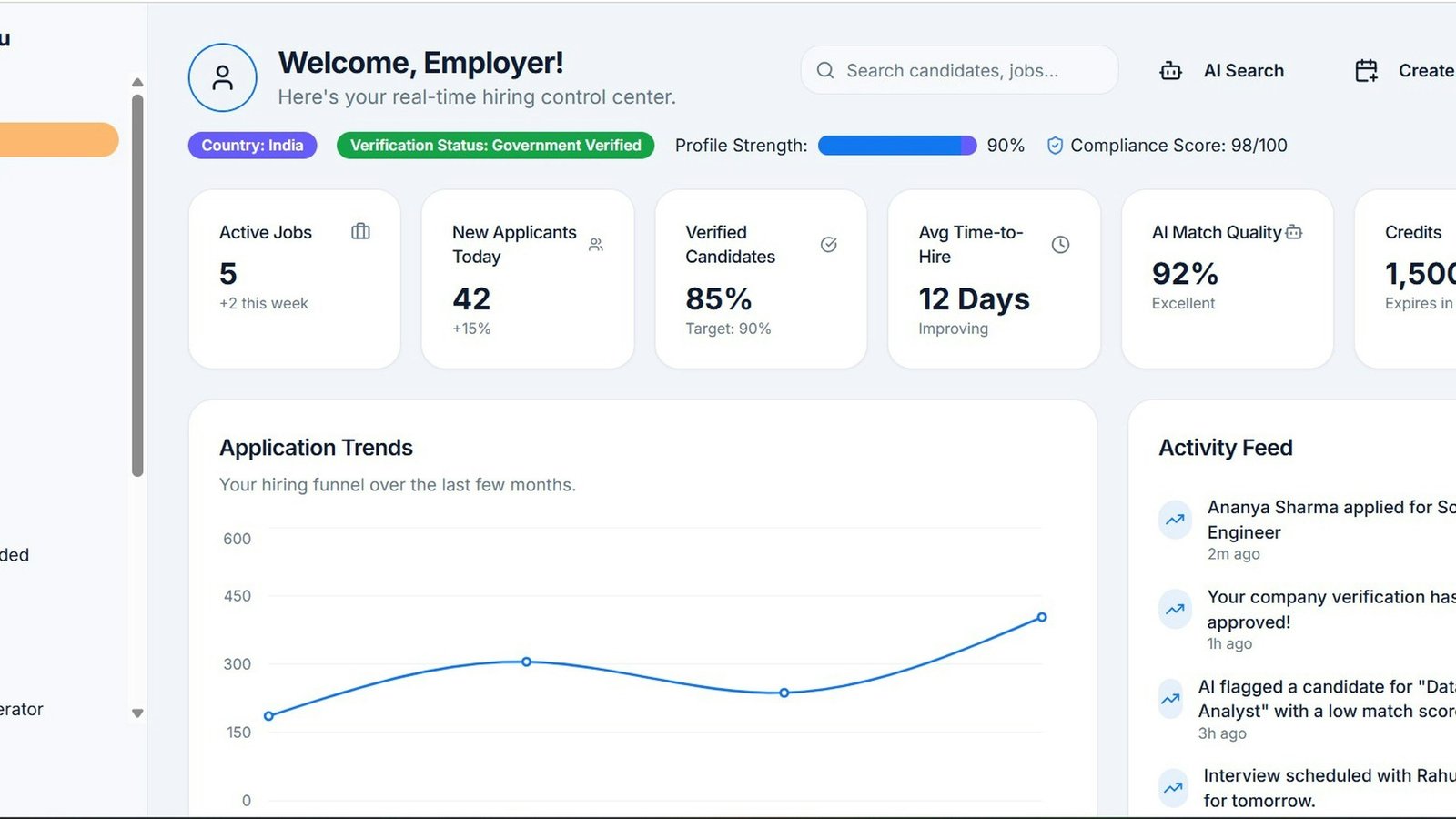
LLM black-box testing treats answer engines as opaque boxes: ask a fixed question set, then watch whether your brand is mentioned, cited, and attributed.

Overseas sites must serve Google and AI engines like ChatGPT and Claude. Covers crawler classes, JS rendering gap, robots.txt tiers, AI-crawlability checklist.
Multilingual content automation wires source, AI translation, QA, publishing into one pipeline: AI accuracy by content type, tiered QA, and hreflang traps.
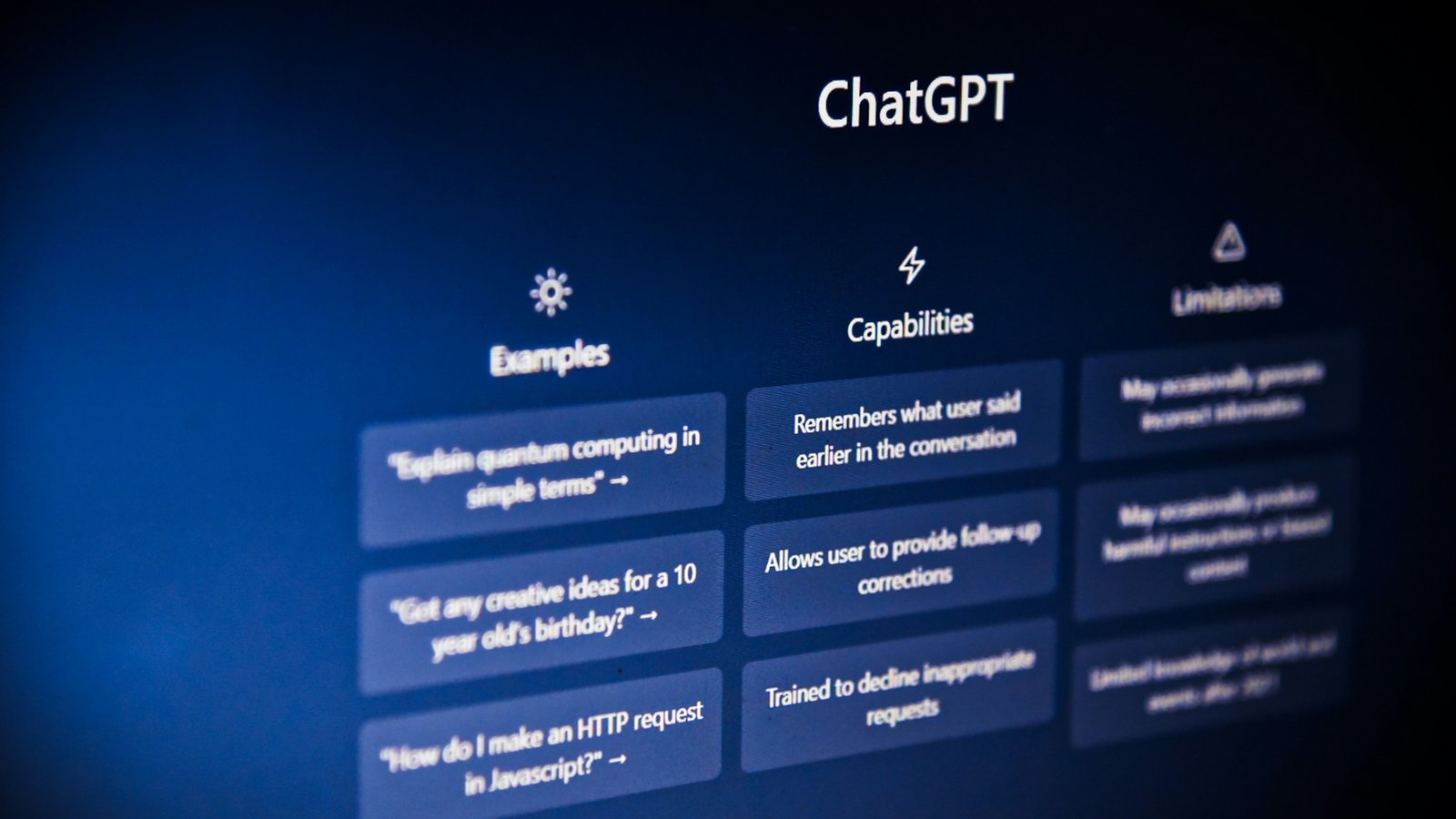
Gemini Deep Research writes cited reports, so be a trusted source, not chase rankings. This guide covers four gates and tracks mention, citation, attribution.

Grok, xAI's answer engine, picks pages to cite. This walkthrough splits citation into four gates and uses a fixed set to measure mention, citation, attribution.
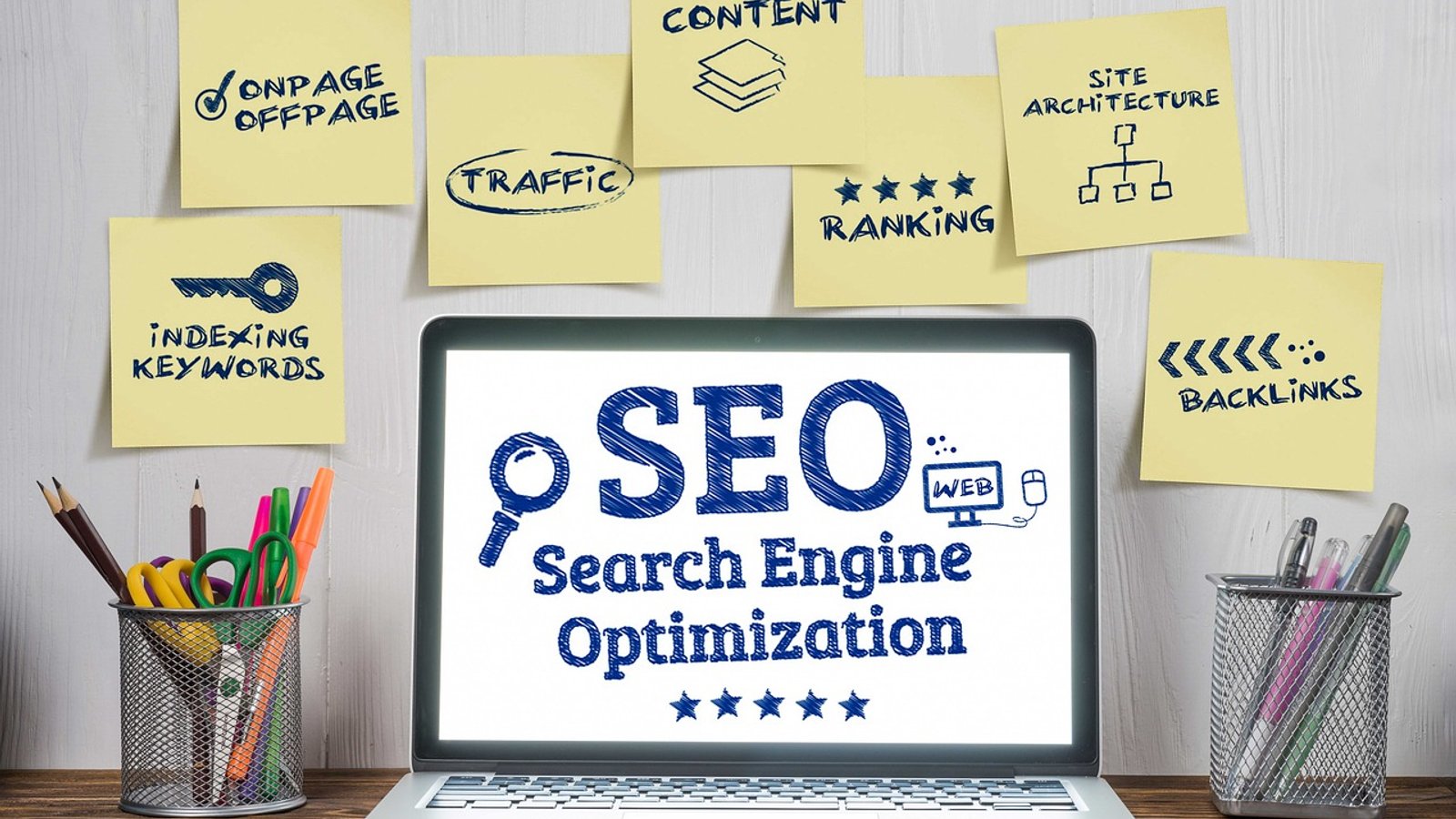
Google 2026 core update weights information gain, entity authority, and extractable structure, splitting ranking from AI citation. Get the action checklist.
Cross-border SEO isn't site translation. It covers the technical base (hreflang, sitemap, speed), intent mapping, ecommerce authority, plus GSC AI monitoring.

Factory SEO wins precise inquiries when intent beats volume: map product, scenario, certification keywords and measure inquiry quality with structured data.

Wikidata is the machine-readable fact backbone for AI; Wikipedia is training corpus and citation source. Learn the split, notability bar and five build steps.

RAG fixes what models cannot know: your private data, last week's policy update, internal knowledge. Retrieve first, then generate with sources, no retraining.

A WeCom SOP turns first contact to a closed deal into triggerable standard actions: four-stage design, tiered nurturing, tag coordination, four health metrics.

Choosing a vector database? Compare Milvus, Qdrant, Elasticsearch and pgvector on cost, hybrid search and migration effort, with a three-question decision tree.
Retention is healthy when the curve flattens, not at one percentage. Covers three definitions, four curve segments, benchmarking, and measurement disciplines.
