


User Behavior Analysis: Event Modeling and Path Analysis in Practice
Behavior is a time-ordered event sequence, not aggregate counts. Covers event field specs, four analysis views, and bottleneck locating by relative performance.
Oct 27, 2026
Behavior is a time-ordered event sequence, not aggregate counts. Covers event field specs, four analysis views, and bottleneck locating by relative performance.

Internal retrieval and external AI visibility share one base. Tengence unifies Search and GEO on one content base, solving findable inside and citable outside.

AI-era CRO is about diagnosing funnel drop-off, not button colors. Metric dictionaries, AI querying and dashboards make the 22% conversion lift reproducible.

AI search optimization outcomes are highly industry-specific. This article reviews five industries, four replicable patterns, and a 30-day launch checklist.
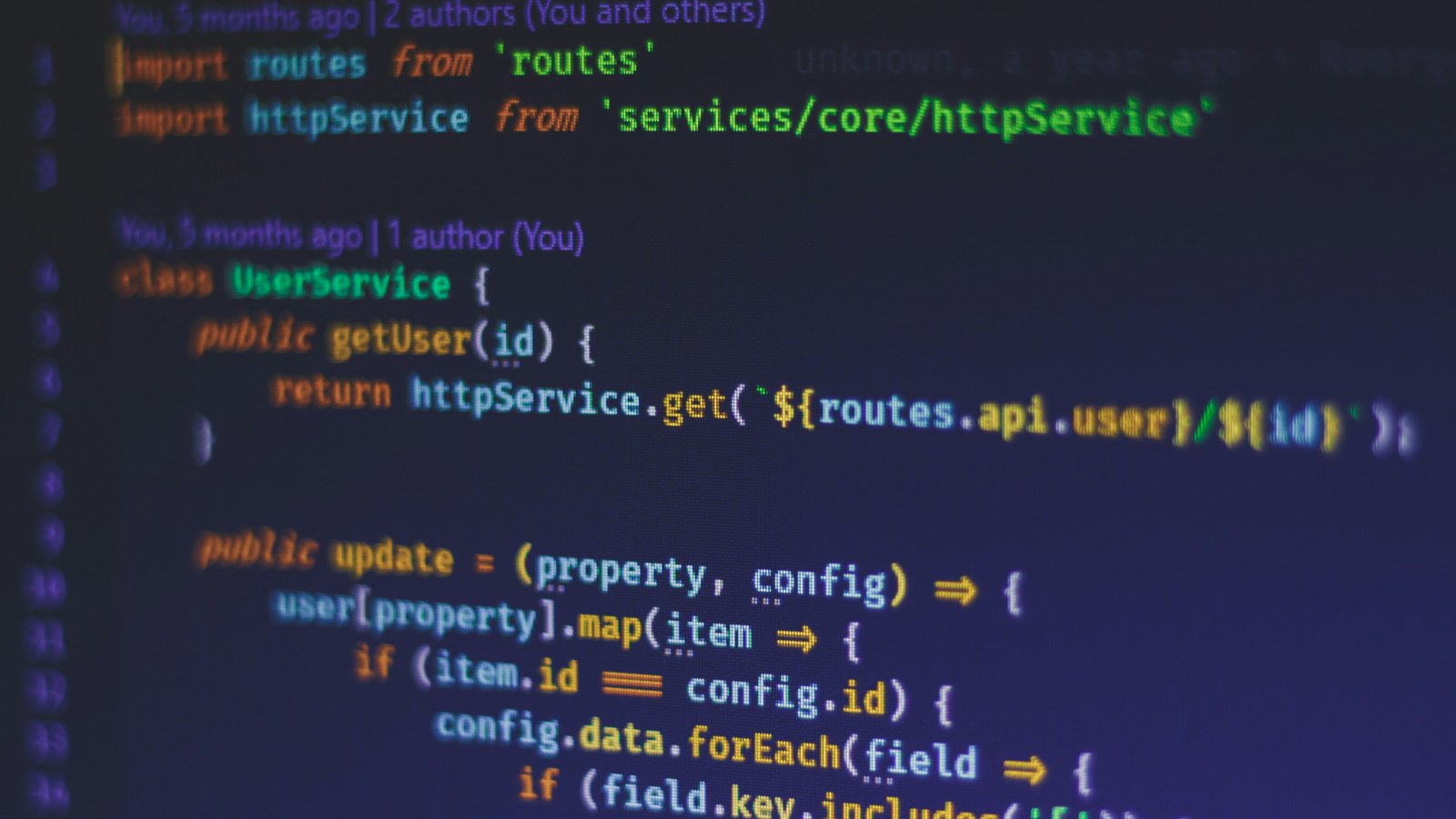
Deployment risk is in sequence and rollback, not the feature. Reusable template: prep, five-phase path, canary, rollback plan, go-live acceptance, operations.
Technical SEO decides if you can be found and cited by AI: crawl, index, render. In 2026 Googlebot renders in two waves, so key content must live in raw HTML.

Search is only data-driven if tracking is right: four must-collect events, timing, dedup, zero-result and rewrite tracking, and log-to-dashboard flows.

Enterprise search-recommendation is entering its fourth generation: rules, ML ranking, vectors, and LLM agents. We cover six trends and three moves to prepare.

Search-recommendation systems win on feedback, not models. We cover signal weights, bias correction, three update cadences, and a flywheel health check.

Can't find it? The right result often never entered the pool. Seven recall moves: understanding, synonyms, multi-path recall, vector fill-in, field coverage.

Search ranking dropped? Don't touch the ranker first. Rule out false drops, diagnose by metrics, find root cause via rollback, then recover in three phases.

Enterprise search turns scattered needs into one pipeline, one query service, one permission system. Covers architecture, hybrid retrieval, and reranking.

AI service is not just cost cutting; it is the richest intent data a store has. Metric dictionaries, session paths and dashboards make the 47% gain repeatable.

Search and CRO are one funnel: visibility decides volume, conversion decides value. This guide maps intent to page types and lists on-site search levers.

A search dashboard only matters when anomalies drive action. This guide organizes metrics into scale, quality, and value with a reference target per layer.

Structured data (Schema.org + JSON-LD) is the closest thing to an API for AI search: it writes page facts as machine-readable data so AI cites you, not guesses.

Many owners think SEO is keywords and backlinks, yet miss the layer that lets machines read you: Schema markup. This data tells engines what your page is.

On-site search for SaaS and content platforms is hard, but three hard constraints: multitenant isolation, fine-grained permissions, and heterogeneous content.

Recommendation systems use a layered funnel: scoring 200,000 items one by one takes 20 seconds, but the online budgets allow only tens of milliseconds.

Query intent recognition sets the ceiling on search relevance. Most queries are only 2–3 words, so the engine must reconstruct intent before recall and ranking.
