


Internal Linking Strategy: Growing Site Authority and Indexation
Internal links decide where authority flows. Fix orphan pages, diversify anchor text, keep key pages within 3 clicks, and build pillar-cluster structure.
Oct 12, 2026
Internal links decide where authority flows. Fix orphan pages, diversify anchor text, keep key pages within 3 clicks, and build pillar-cluster structure.

AI rewards evidence density, not keywords. Allow AI crawlers, publish llms.txt, open with 40–60 word answer blocks, add cited data, build off-site authority.

LLMs don't browse the web. They fetch HTML, parse structure, strip boilerplate, chunk, embed it, then retrieve the best chunk with a citation at answer time.

Help center search must resolve issues before a ticket is filed, not just deflect it. Turn failed searches into a content backlog and measure true deflection.

Enterprise GEO fails less on strategy than on running stage-three tactics on stage-one infrastructure. Diagnose maturity, advance by stage, add governance.

Enterprise search fails not on the algorithm but on linking legacy systems never built for APIs. Three questions, three cost lines, where the schedule goes.

Enterprise document search fails before the index: parsing, chunking, versioning and permissions that decide recall. A six-step, structure-first playbook.
How to size an A/B test, set the right duration, and judge significance: sample size, MDE, full business cycles, fixed stopping rules, multiple-testing fixes.

Compare BI tools by market tier, pricing model and governance strength: a practical 2026 selection guide for teams picking Tableau, Power BI or Looker.

AI search reads paragraphs, not pages: every chunk must be a self-contained answer. Five rules — front-load, add facts, add structure — decide if AI cites you.

Content search is not product search: learn how metadata, chapter and timestamp chunking, AI tagging and multimodal recall make articles and video findable.

AI answer engines cite media via text signals—alt, captions, schema, transcripts. Make your images and videos citable for 317% more AI Overview citations.

In 2026, GEO tools made 'are we cited in AI answers' measurable, not guesswork. This roundup compares top tools by goal, team size, and Chinese engine coverage.

Many local shops go unseen in AI answers. Learn the 5-pillar local GEO framework—GBP, schema, NAP, reviews, and hyperlocal content—to get cited by AI in 2026.

GEO success is whether AI cites you, not mentions alone. Build a metric tree from presence to trust: three layers, five KPIs, Share of Model, a tool matrix.
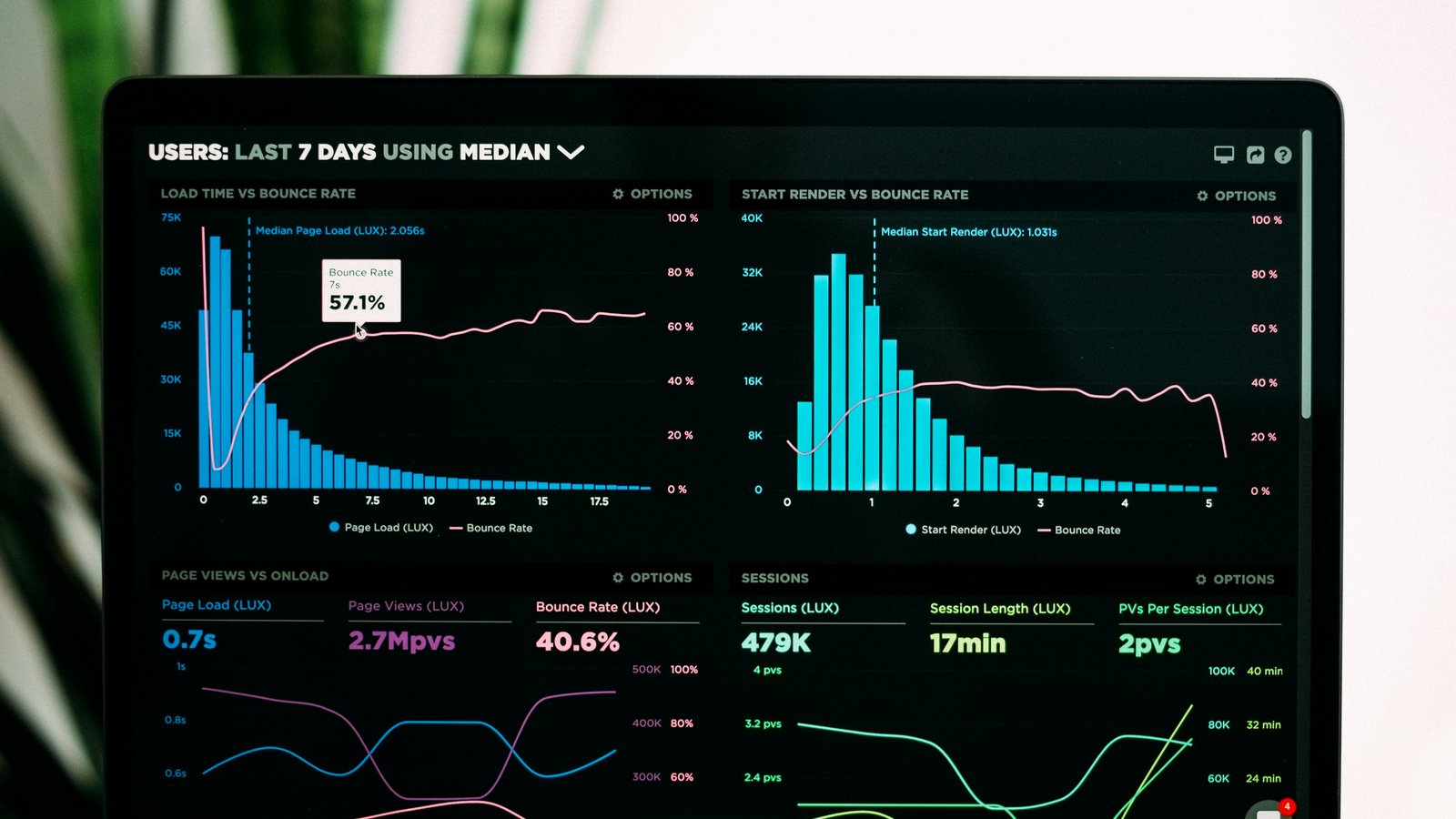
GEO success is not ranking but being cited in AI answers. Build a DIY monitoring dashboard with four core metrics, per-engine sampling and an accuracy check.

A 90-day battle plan for enterprise GEO: audit and rewrite existing pages, ship GEO-native content, and measure AI citation rate using the four CITE levers.

GEO in healthcare and finance is less about whether to do it than whether it breaks rules: YMYL, four medical E-E-A-T elements, finance limits, three red lines.

Win AI-search citations by becoming a verifiable entity. This guide explains E-E-A-T, entity and author signals, and a 12-point enterprise self-check.

Content optimization in 2026 serves users and AI: align intent, build E-E-A-T, use snippet structure, raise information density, refresh to earn rankings.

Core Web Vitals (LCP, INP, CLS) are a ranking tiebreaker. Targets: LCP

AI search in 2026: ChatGPT 1.1B MAU and Chinese AI apps 446M as traffic shifts to AI answers. See the landscape and why GEO is the new ticket for brands.

AI search rewrote SEO: zero-click ~60% of searches, AI Overviews cut CTR 34–61%, cited brands gain 35% organic and 91% paid clicks. Get the 2026 playbook.

Google does not penalize AI use, but scaling low-value AI content triggers spam policy. Learn disclosure templates, IPTC metadata, and a 3-red-line self-check.

Mobile search is shaped by screen, input cost and network. Compare in-app vs H5 retrieval and use our KPI baseline to tune entry, autocomplete and zero results.

How to do search query analysis: turn query logs into a zero-cost demand sample via termization, zero-result governance, rewrite attribution, and a closed loop.

Vector search in production: map queries and docs into a semantic space, replace brute-force with ANN, pick HNSW or IVF+PQ with hybrid retrieval plus reranking.

Site search UX optimization links autocomplete, correction, synonyms, faceted filters and zero-result recovery as one loop via latency and zero-result rate.

Search ROI is hard to measure: a three-layer usage-quality-revenue measurement, contribution vs incremental conversion, an ROI formula, and four misjudgments.

Enterprise knowledge base search fails when documents scatter and permissions differ. Rollout: ingestion, permission alignment, metadata, ranking, governance.

Build a tagging system in order: unify IDs, layer factual, statistical and model tags with time decay and lifecycle governance, deploy and verify impact.

Recommendation systems need core metrics: CTR for appeal, CVR for value, diversity and novelty vs drift, coverage for long-tail; offline iterates, online A/B.

Conversion rate down: diagnose first - confirm measurement, break down traffic and funnel, check trust and friction, then pinpoint the page and action.
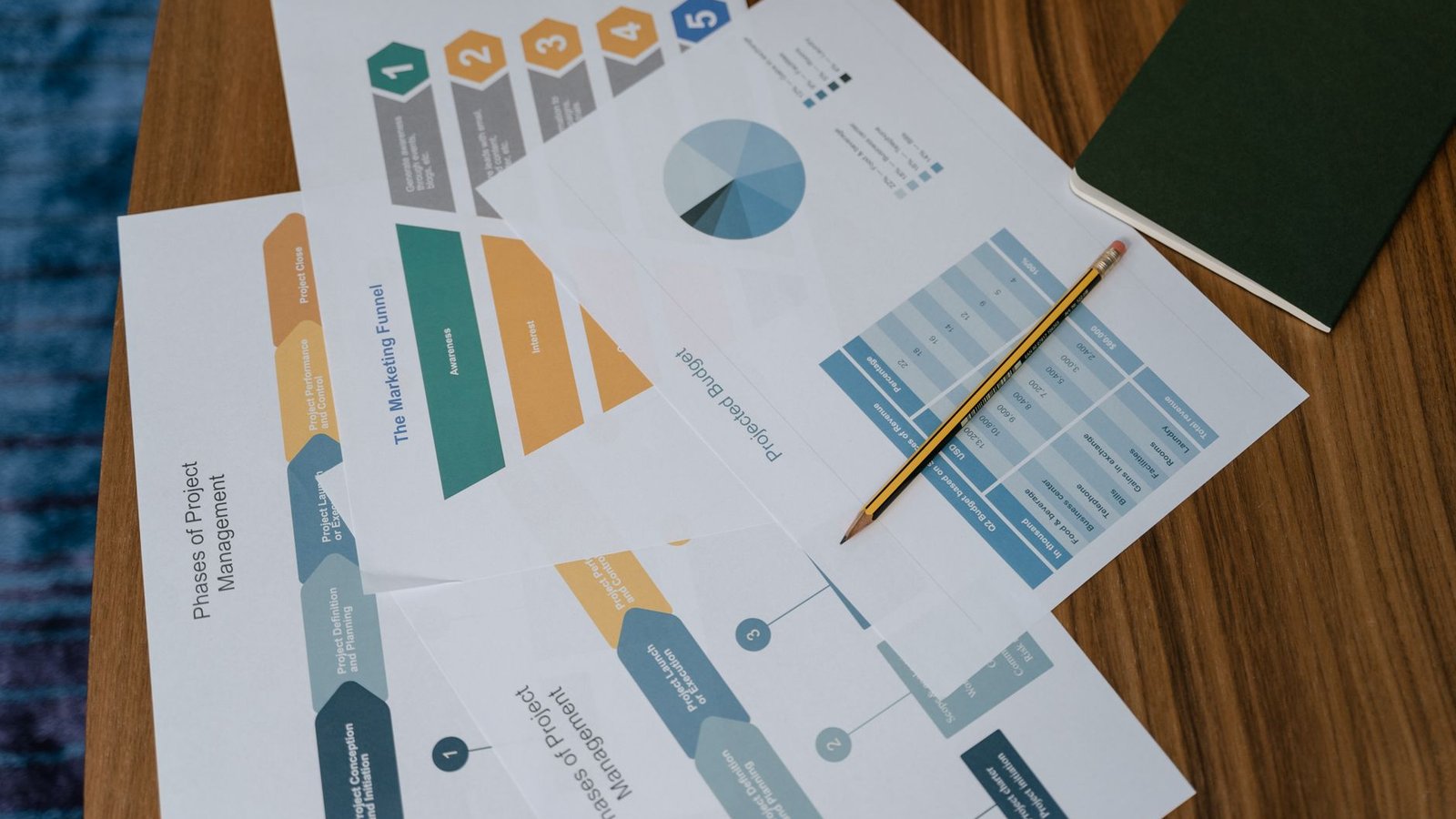
Funnel analysis gives a conclusion, not a chart: where and why drop-off happens. Learn 3 funnel decisions, the drill-down to find loss, and 3 common pitfalls.

Filter bubbles come from a three-way loop, not algorithms alone. Five fixes: hybrid recall, diversity re-ranking, exploration, user control, and monitoring.

A/B test site search changes: split into recall, ranking, and result-page layers; search conversion rate primary, zero-result and first-click rates guardrails.

Collaborative filtering: UserCF for content platforms, ItemCF for stable e-commerce. A 5-dimension comparison, co-occurrence and content-vector blending.

Recommendation ROI comes from scenarios, not one big model. We rank eight high-ROI e-commerce scenarios by rollout difficulty, with data and metrics for each.

Recommendation placement design: pick the page, content, and attention share. Match each slot to page intent and measure cannibalization to confirm real gains.

How to design a membership program? Set the goal first, then structure: points drive behavior, tiers segment users, benefits deliver value, each owning one job.

Cold start is not one problem but four: new users, new items, a new system, and a new scenario. This guide lists the fix for each, plus acceptance metrics.

Landing page optimization comes down to 12 elements: a hero that states value fast, proof that removes doubt, low-friction forms, and one clear primary CTA.

How to calculate search conversion rate: fix the numerator and denominator, read usage, zero-result rate and top-result CTR, then improve recall and ranking.

Score recency, frequency and monetary value to build eight RFM segments, pair each with a lifecycle-stage play, and dodge four common segmentation pitfalls.

Ecommerce data analysis starts with the metric system: build three layers for traffic, conversion and value, pick a north star metric, then design dashboards.

Traffic is up but orders are not. This CRO guide shows how to define the metric, find the top funnel leak, fix trust, friction and motivation, then A/B test.

Dashboards built, decisions unchanged? Start from decision scenarios and metric definitions, then fix collection, dashboards and workflow actions step by step.

Build, open source Elasticsearch or SaaS? Score six dimensions: capability, staffing, license risk, scaling, compliance, three-year TCO, then pick by scale.

Choosing an ecommerce recommendation system starts with the goal, not the tech: compare in-house, licensed and SaaS routes on cost, data scale and team fit.

Cross-border search is not fixed by translating queries: tokenization, morphology and word order shift recall. Compare three architectures, analyzers, ranking.


WeCom