


AI Marketing ROI: Measuring What Actually Drives Revenue
Measuring AI marketing ROI requires tracking pipeline impact, not tool usage. Learn how to attribute revenue to AI marketing investments and optimize spend.
Nov 13, 2026
Measuring AI marketing ROI requires tracking pipeline impact, not tool usage. Learn how to attribute revenue to AI marketing investments and optimize spend.

Building custom RAG takes 3-6 months and 2-3 engineers. Buying a managed platform takes weeks. This guide helps you decide which path fits your enterprise.

A six-step SOP for rewriting old articles: pick the right URL action, keep link equity, verify the change, prove the lift on funnel outcomes, not pageviews.
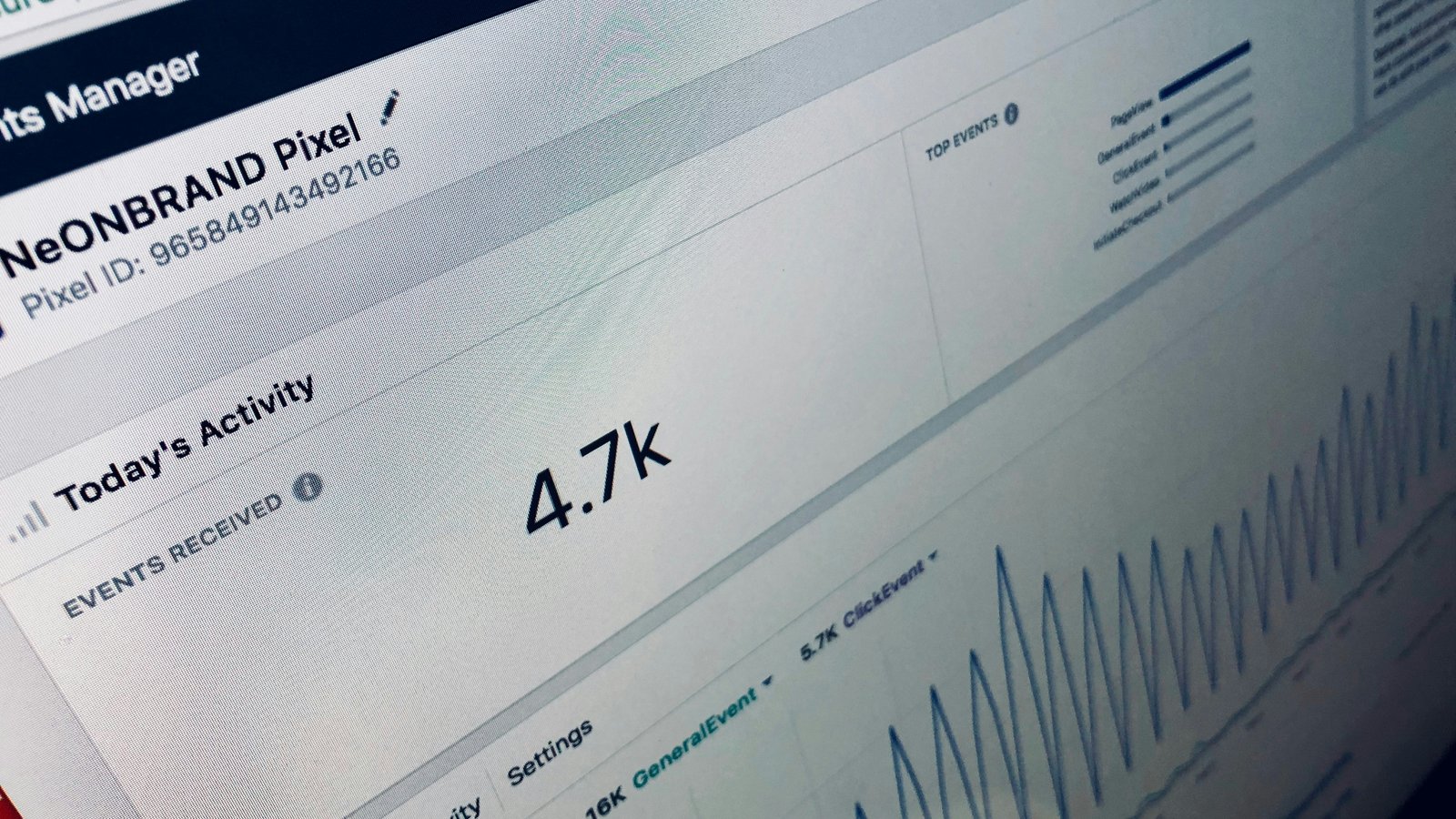
AI answers do not grade brands with adjectives. Here is a 6-step protocol to measure mention tone across engines, with 4 claim classes and 5 boundary rules.

Claude is Anthropic's assistant. Being cited depends on four gates: source trust, entity clarity, structure, evidence. Tracks mention, citation, attribution.

Content marketing ROI is hard to measure because content influences buyers long before they convert. This model attributes revenue across the buyer journey.

MCP standardizes how AI apps call website diagnostics. Using tengence-geo, this walkthrough wraps a GEO diagnosis engine as an MCP tool and runs a diagnosis.
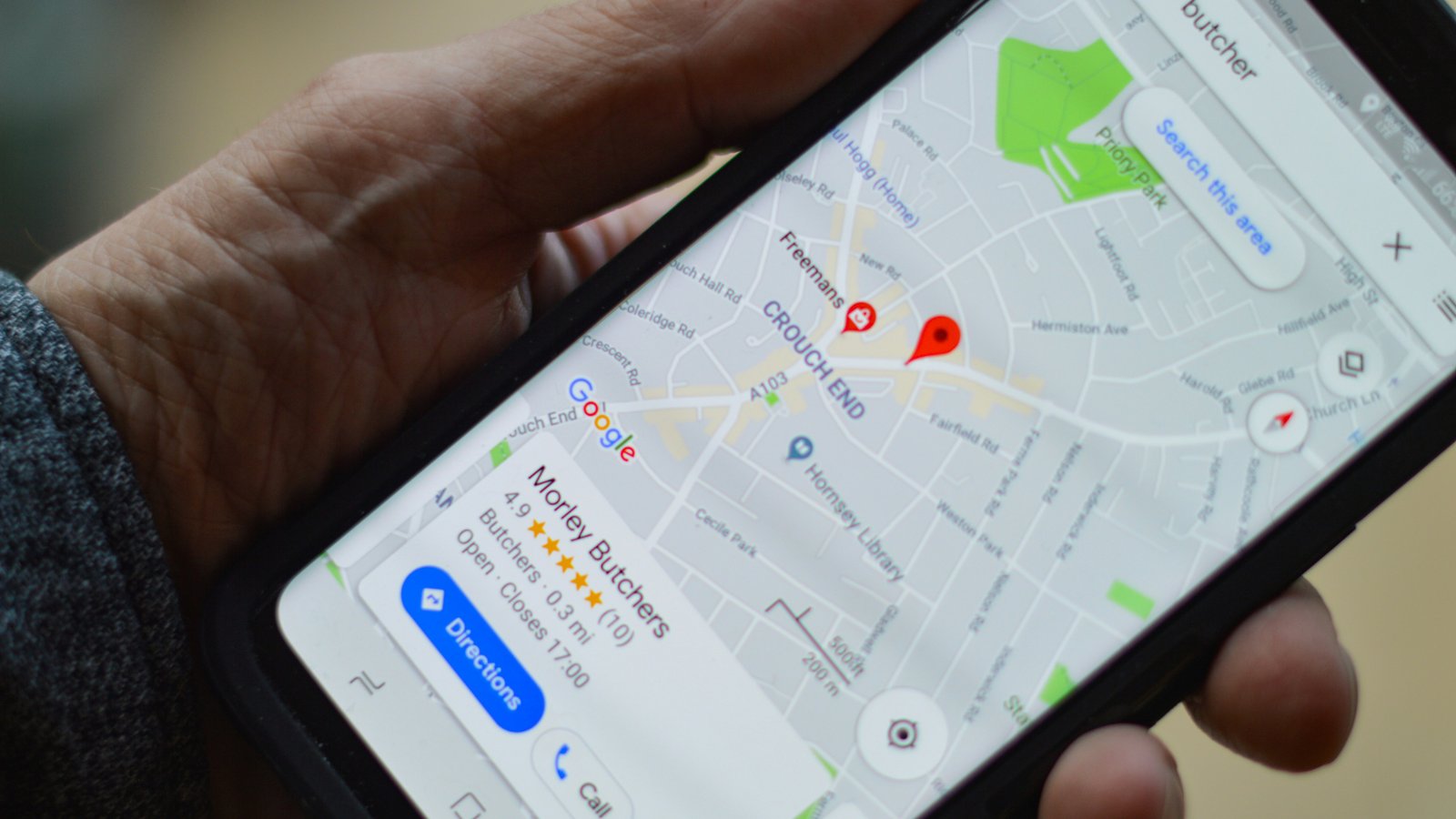
Earn AI local recommendations by making name, address, and phone verifiable instead of buying ads. This guide covers business profiles and a fixed question set.

Word count, indexing, and rankings don't predict AI citation. This article gives a quantifiable AI citation score in six dimensions, with Princeton data.

94% of B2B buyers use generative AI; 51% start with chatbots. AI referral converts at 5-10x organic search. This article maps the lead funnel to inquiries.

How much does GEO cost in 2026? This guide breaks down GEO's four cost components, pricing models, and budget ranges with a stage-based budgeting framework.
Stitching shopper across store, e-commerce, CRM, ads into UID master profile—foundation of growth: identity resolution lifts email revenue 47% and ROI 8.1X.

How should you layer enterprise search? This guide splits it into five layers and compares build, open-source, and managed routes, with a launch loop.

Cross-border market selection in the AI search era should rank by readiness, not search volume, so brands avoid spreading budget thin across weak markets.

Automated reporting is not swapping Excel for BI but standardising four stages: extraction, validation, distribution and review, with inputs, report automation
Enterprise search access control: set index-, document-, and field-level boundaries, choose between RBAC, ABAC, and ACL, and apply a six-gate checklist.

A GEO diagnostic report answers whether AI engines can read the page and will cite it. This guide gives ten pre-launch checks, each with its fix and priority.

AI data query lets users ask in plain language, returning charts in seconds. Covers 3 capabilities and 5 steps; Tengence Insight makes business data queryable.

B2B exporters are reshaped by AI: buyers ask ChatGPT, Google AIO and Perplexity for suppliers, and AI cites brands. GEO shifts brands from ranking to cited.

MCP standardises how a model calls external systems. This guide covers the three roles, four integration steps and the traps of enterprise search integration.
ChatGPT Search runs on Bing, not Google: pages must be crawled by OAI-SearchBot and indexed in Bing to be cited. Three bots, five signals, and a checklist.

Customer success AI uses data and models to tell which account will churn and why, moving SaaS teams from reactive renewals to proactive, tiered intervention.

Agentic RAG hands retrieval to an autonomous agent that plans, rewrites queries and picks sources. This guide covers the definition and rollout checklist.

B2B SaaS wins overseas leads with SEO: map buyer intent to keywords, publish solution-style content, fix technical SEO, and measure lead quality over rankings.
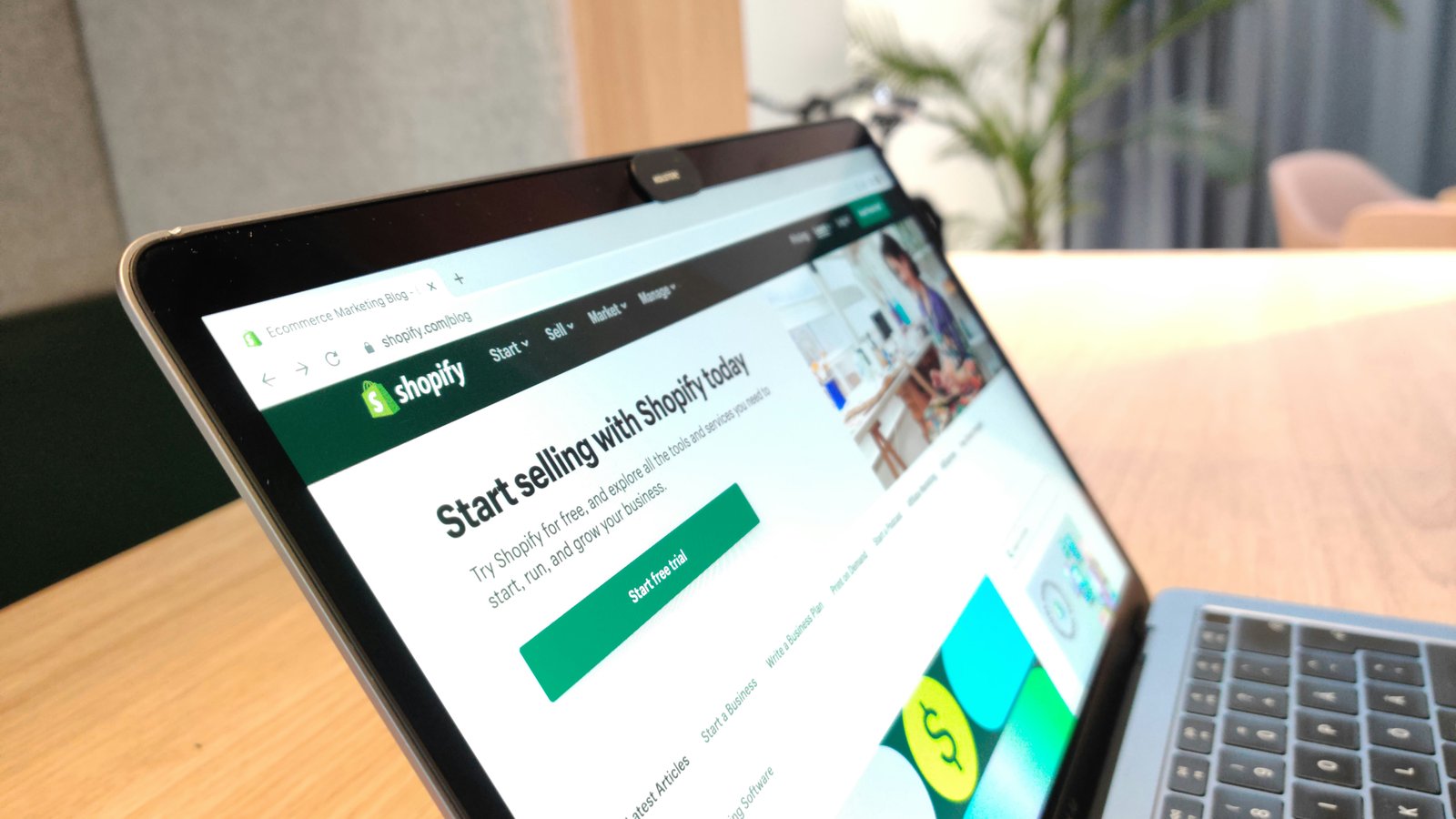
Shopify SEO can't rely on defaults. This 2026 checklist covers technical indexing, on-page optimization, structured data, and measuring AI-search visibility.
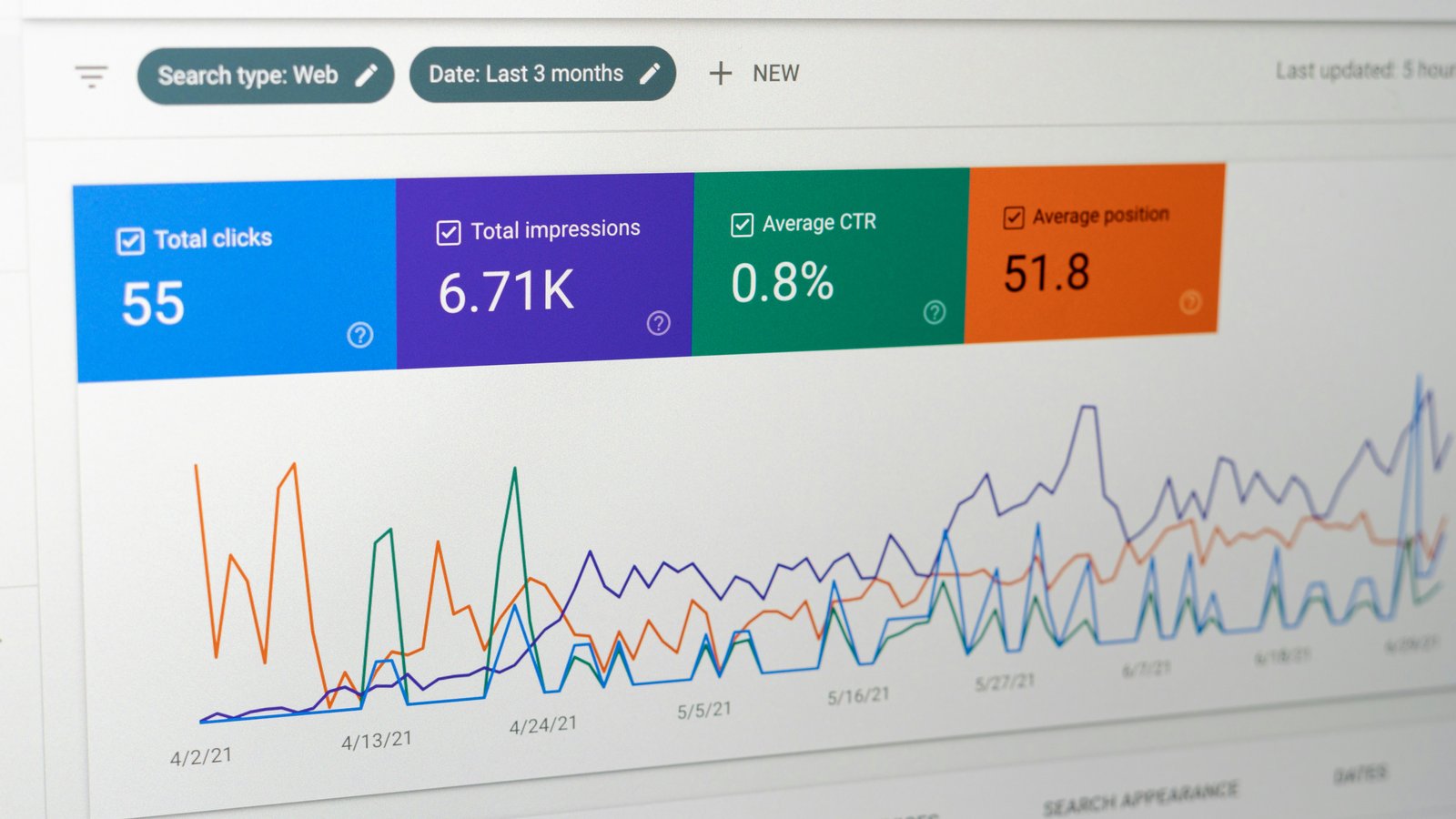
Perplexity uses PerplexityBot and the licensed Bing/Google indexes to find pages, citing answer-first, structured content. This guide gives an SEO checklist.

An engineering view of an AI content production pipeline: plan, generate, review, optimize, publish, measure — with the gates and metrics that keep output high while scaling.

MCP is not a ranking factor, but it changes how AI agents reach enterprise data. Learn the real impact on GEO strategy and practical first steps for 2026 and beyond.

Agentic search explained: how AI agents plan, search and verify, the six signals they use to pick a source, and what makes a brand citable in AI answers.

GEO cannot run on gut feel; dashboards quantify AI citations. This breaks down 3 categories and 5 KPIs, and Tengence GEO covers monitoring across 10+ engines.

Six marketing analytics platforms compared on data ingestion, attribution and AI query - with pricing bands, tracking cost and a three-step selection method.
Algolia alternatives compared on cost, hosting and semantic search: Typesense, Meilisearch, OpenSearch, Elasticsearch and Tengence, plus a 2-week cutover plan.
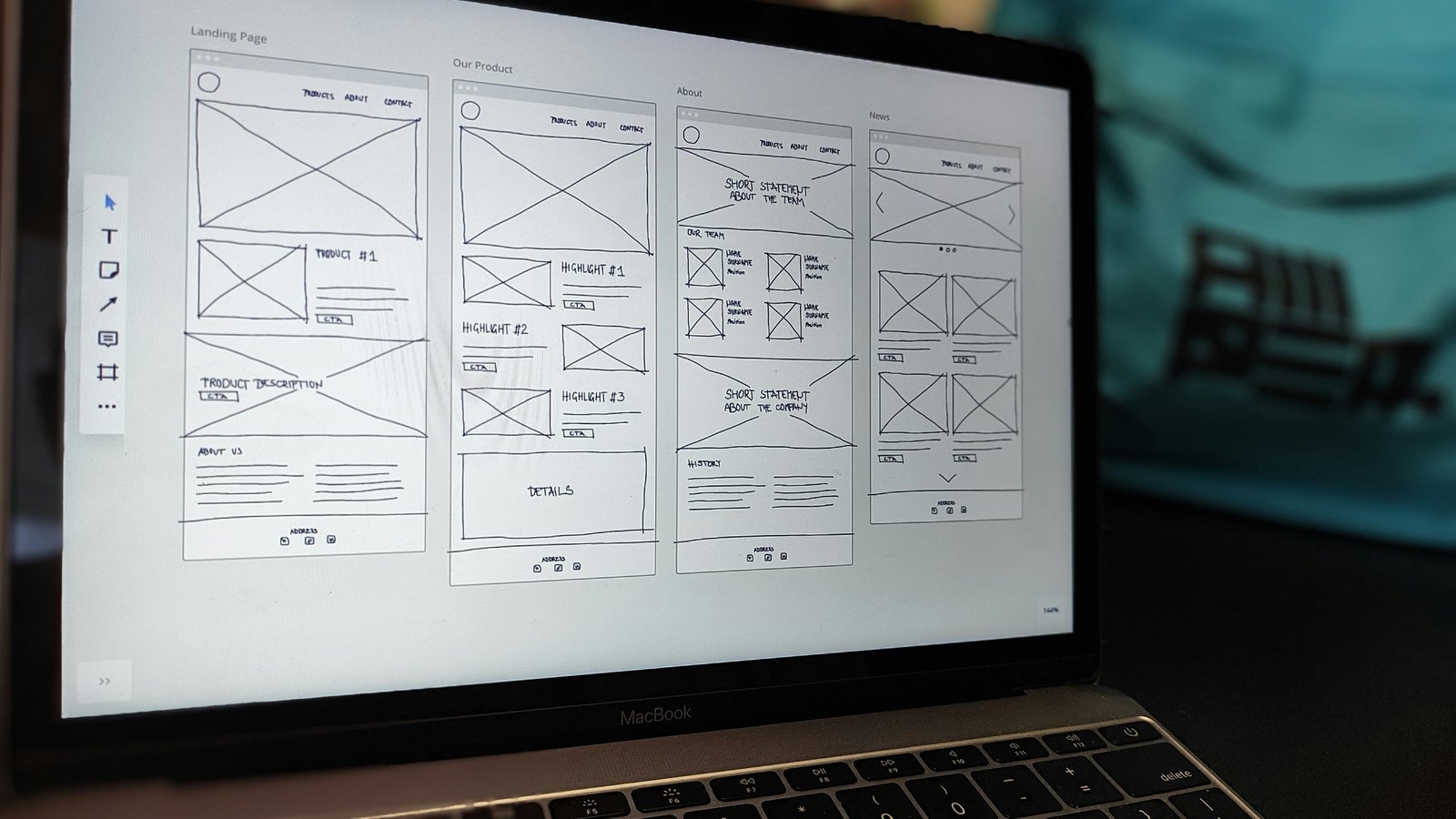
Programmatic SEO scales search traffic with data. This guide covers 3 core elements and 5-step path, showing how Tengence GEO bridges across 10+ AI engines.
AI engines cite differently. This guide scores ChatGPT, Perplexity, Gemini, and AI Overviews on 3 dimensions and gives 3 GEO takeaways to lift citation odds.

GEO tools went mainstream in 2026. This guide compares 6 leading tools on monitoring, actionability, and multilingual coverage, with Tengence GEO's positioning.
Search API integration comes down to 4 things: auth, APIs, requests, and tuning. This guide gives a 6-step path from keys to tuning, plus a launch checklist.

Cross-border sites are shifting to ChatGPT and Perplexity citations. Covers GEO vs SEO, three cited scenarios, six steps to earn AI citations, three metrics.
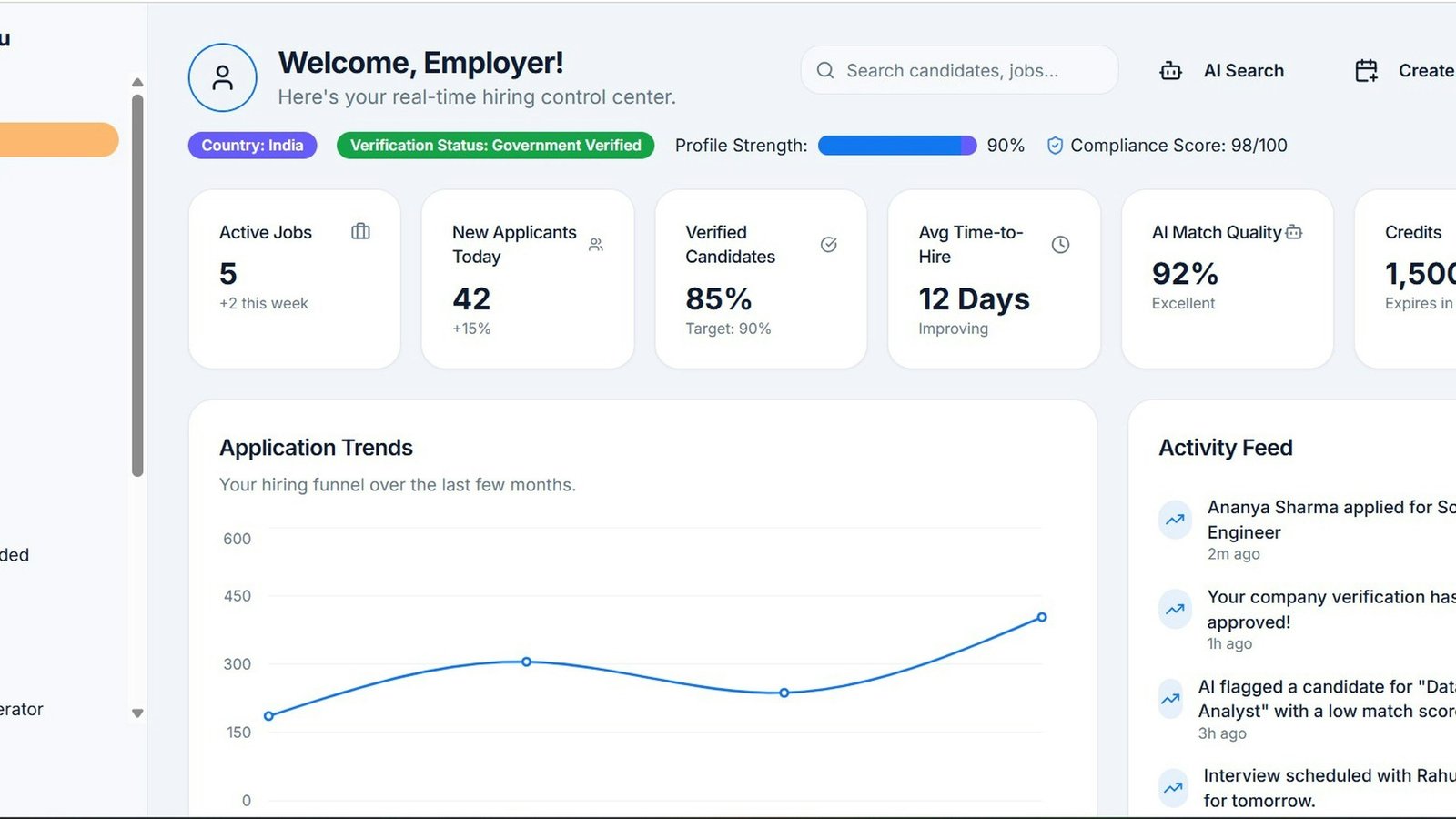
LLM black-box testing treats answer engines as opaque boxes: ask a fixed question set, then watch whether your brand is mentioned, cited, and attributed.

Overseas sites must serve Google and AI engines like ChatGPT and Claude. Covers crawler classes, JS rendering gap, robots.txt tiers, AI-crawlability checklist.
Multilingual content automation wires source, AI translation, QA, publishing into one pipeline: AI accuracy by content type, tiered QA, and hreflang traps.
Gemini Deep Research writes cited reports, so be a trusted source, not chase rankings. This guide covers four gates and tracks mention, citation, attribution.

Grok, xAI's answer engine, picks pages to cite. This walkthrough splits citation into four gates and uses a fixed set to measure mention, citation, attribution.
Google 2026 core update weights information gain, entity authority, and extractable structure, splitting ranking from AI citation. Get the action checklist.
Cross-border SEO isn't site translation. It covers the technical base (hreflang, sitemap, speed), intent mapping, ecommerce authority, plus GSC AI monitoring.

Factory SEO wins precise inquiries when intent beats volume: map product, scenario, certification keywords and measure inquiry quality with structured data.

Wikidata is the machine-readable fact backbone for AI; Wikipedia is training corpus and citation source. Learn the split, notability bar and five build steps.

RAG fixes what models cannot know: your private data, last week's policy update, internal knowledge. Retrieve first, then generate with sources, no retraining.

A WeCom SOP turns first contact to a closed deal into triggerable standard actions: four-stage design, tiered nurturing, tag coordination, four health metrics.

Choosing a vector database? Compare Milvus, Qdrant, Elasticsearch and pgvector on cost, hybrid search and migration effort, with a three-question decision tree.
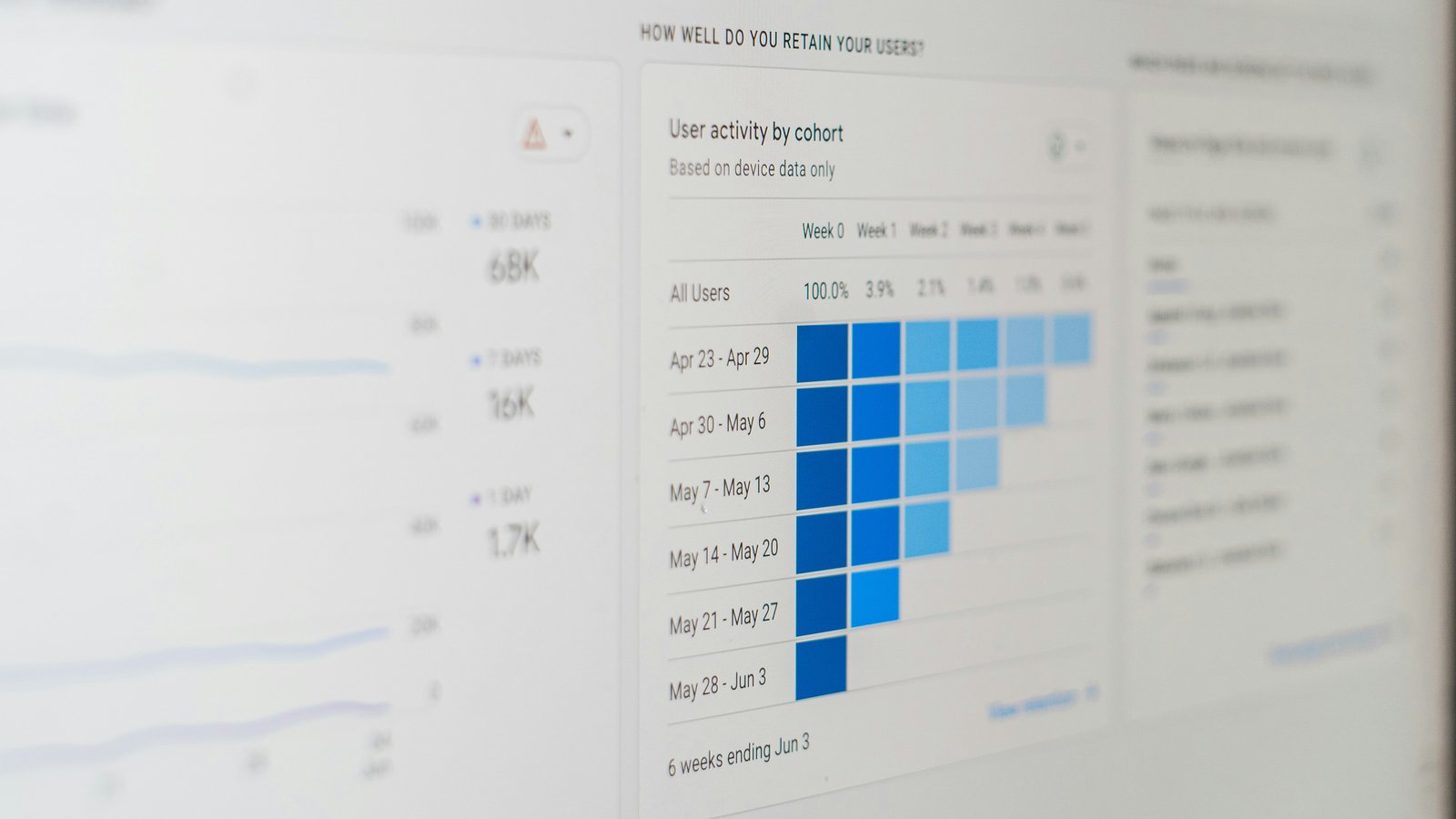
Retention is healthy when the curve flattens, not at one percentage. Covers three definitions, four curve segments, benchmarking, and measurement disciplines.
