


User Behavior Analysis: Event Modeling and Path Analysis in Practice
Behavior is a time-ordered event sequence, not aggregate counts. Covers event field specs, four analysis views, and bottleneck locating by relative performance.
Oct 27, 2026
Behavior is a time-ordered event sequence, not aggregate counts. Covers event field specs, four analysis views, and bottleneck locating by relative performance.

Internal retrieval and external AI visibility share one base. Tengence unifies Search and GEO on one content base, solving findable inside and citable outside.

AI-era CRO is about diagnosing funnel drop-off, not button colors. Metric dictionaries, AI querying and dashboards make the 22% conversion lift reproducible.

AI search optimization outcomes are highly industry-specific. This article reviews five industries, four replicable patterns, and a 30-day launch checklist.
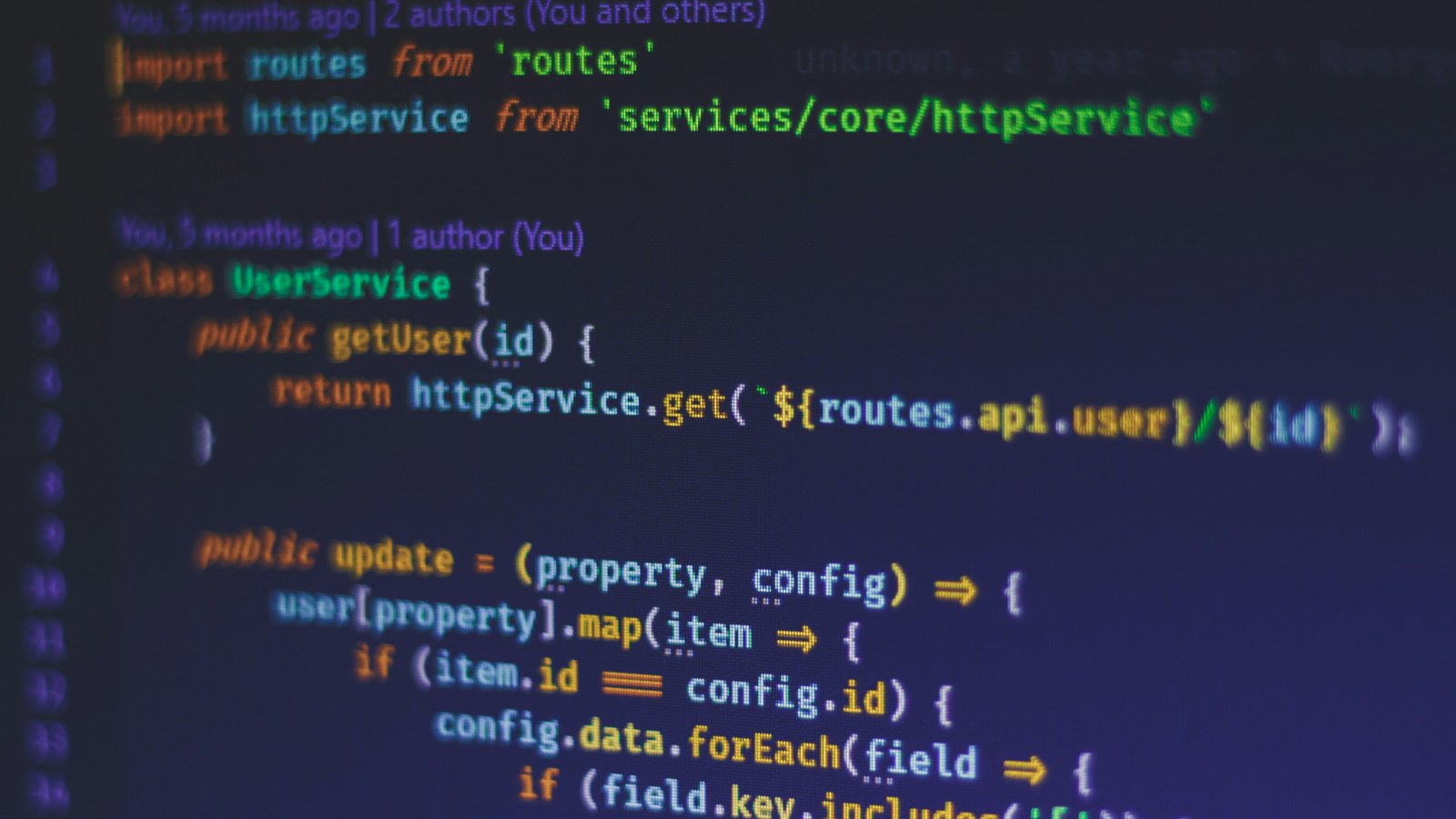
Deployment risk is in sequence and rollback, not the feature. Reusable template: prep, five-phase path, canary, rollback plan, go-live acceptance, operations.

Technical SEO decides if you can be found and cited by AI: crawl, index, render. In 2026 Googlebot renders in two waves, so key content must live in raw HTML.

Search is only data-driven if tracking is right: four must-collect events, timing, dedup, zero-result and rewrite tracking, and log-to-dashboard flows.

Enterprise search-recommendation is entering its fourth generation: rules, ML ranking, vectors, and LLM agents. We cover six trends and three moves to prepare.

Search-recommendation systems win on feedback, not models. We cover signal weights, bias correction, three update cadences, and a flywheel health check.

Can't find it? The right result often never entered the pool. Seven recall moves: understanding, synonyms, multi-path recall, vector fill-in, field coverage.

Search ranking dropped? Don't touch the ranker first. Rule out false drops, diagnose by metrics, find root cause via rollback, then recover in three phases.

Enterprise search turns scattered needs into one pipeline, one query service, one permission system. Covers architecture, hybrid retrieval, and reranking.

AI service is not just cost cutting; it is the richest intent data a store has. Metric dictionaries, session paths and dashboards make the 47% gain repeatable.

Search and CRO are one funnel: visibility decides volume, conversion decides value. This guide maps intent to page types and lists on-site search levers.

A search dashboard only matters when anomalies drive action. This guide organizes metrics into scale, quality, and value with a reference target per layer.

Structured data (Schema.org + JSON-LD) is the closest thing to an API for AI search: it writes page facts as machine-readable data so AI cites you, not guesses.

Many owners think SEO is keywords and backlinks, yet miss the layer that lets machines read you: Schema markup. This data tells engines what your page is.

On-site search for SaaS and content platforms is hard, but three hard constraints: multitenant isolation, fine-grained permissions, and heterogeneous content.

Recommendation systems use a layered funnel: scoring 200,000 items one by one takes 20 seconds, but the online budgets allow only tens of milliseconds.

Query intent recognition sets the ceiling on search relevance. Most queries are only 2–3 words, so the engine must reconstruct intent before recall and ranking.

Private-domain conversion is less about sending more and more about turning one-time traffic into a reusable asset, then using tiering, restraint, and cadence.

A practical North Star Metric framework: pick one number, break it into 3–5 input metrics and 3–5 guardrails, and drive at least one real decision every week.
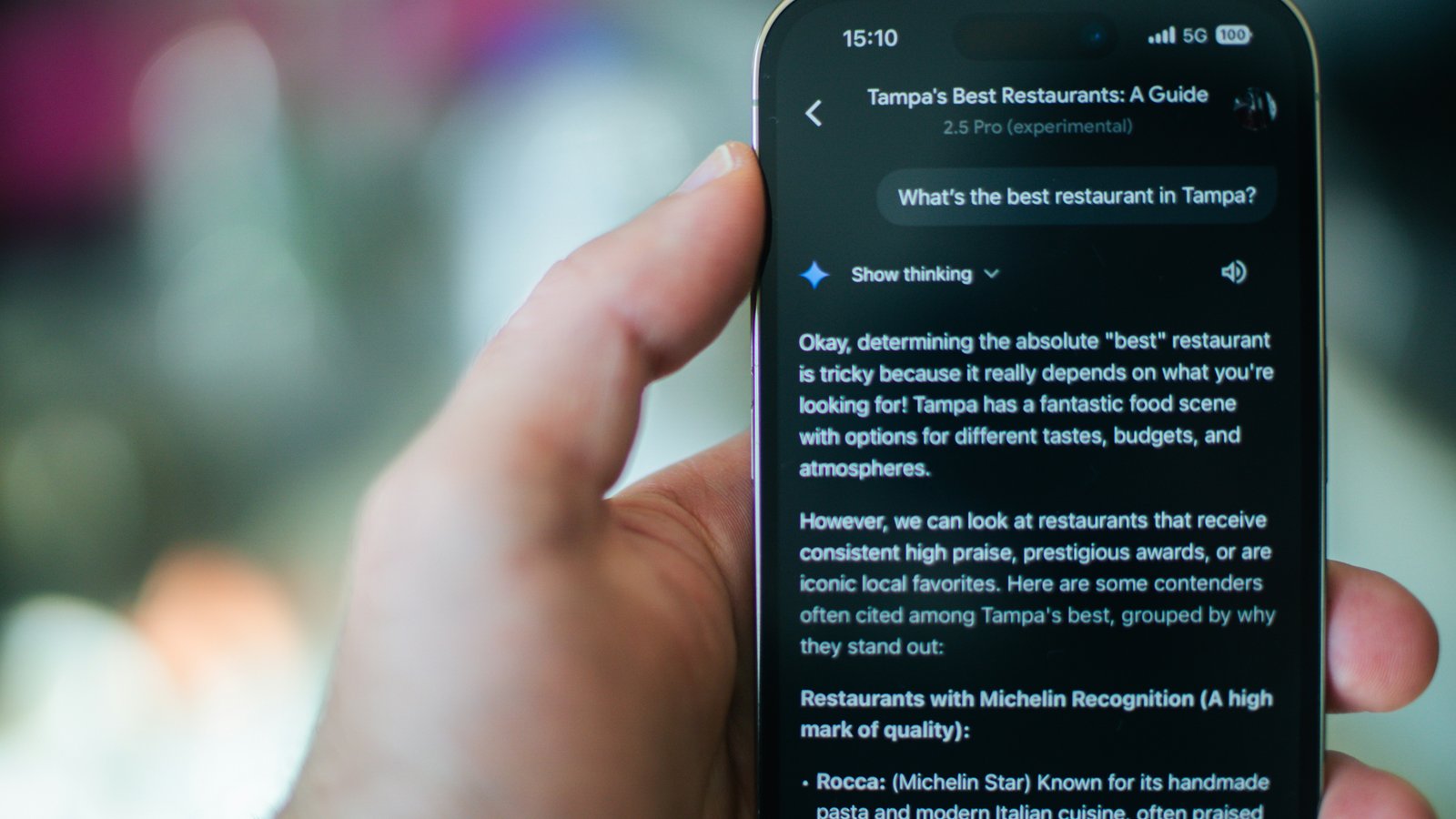
Mobile-first indexing ranks you from the mobile version. Match content, hit Core Web Vitals, responsive design, capture local intent, and keep mobile traffic.

Hreflang must self-reference, reciprocate, and carry x-default. Use subdirectories, never auto-redirect by IP, localize past translation, or lose the cluster.

Internal links decide where authority flows. Fix orphan pages, diversify anchor text, keep key pages within 3 clicks, and build pillar-cluster structure.

AI rewards evidence density, not keywords. Allow AI crawlers, publish llms.txt, open with 40–60 word answer blocks, add cited data, build off-site authority.

LLMs don't browse the web. They fetch HTML, parse structure, strip boilerplate, chunk, embed it, then retrieve the best chunk with a citation at answer time.

Help center search must resolve issues before a ticket is filed, not just deflect it. Turn failed searches into a content backlog and measure true deflection.

MTA and MMM answer different questions. Incrementality tests give the causal anchor, while a metric dictionary and dashboards align both views on one metric.

Enterprise GEO fails less on strategy than on running stage-three tactics on stage-one infrastructure. Diagnose maturity, advance by stage, add governance.

Enterprise search fails not on the algorithm but on linking legacy systems never built for APIs. Three questions, three cost lines, where the schedule goes.

Enterprise document search fails before the index: parsing, chunking, versioning and permissions that decide recall. A six-step, structure-first playbook.
How to size an A/B test, set the right duration, and judge significance: sample size, MDE, full business cycles, fixed stopping rules, multiple-testing fixes.

Compare BI tools by market tier, pricing model and governance strength: a practical 2026 selection guide for teams picking Tableau, Power BI or Looker.

AI search reads paragraphs, not pages: every chunk must be a self-contained answer. Five rules — front-load, add facts, add structure — decide if AI cites you.
Content search is not product search: learn how metadata, chapter and timestamp chunking, AI tagging and multimodal recall make articles and video findable.

AI answer engines cite media via text signals—alt, captions, schema, transcripts. Make your images and videos citable for 317% more AI Overview citations.

In 2026, GEO tools made 'are we cited in AI answers' measurable, not guesswork. This roundup compares top tools by goal, team size, and Chinese engine coverage.

Many local shops go unseen in AI answers. Learn the 5-pillar local GEO framework—GBP, schema, NAP, reviews, and hyperlocal content—to get cited by AI in 2026.

GEO success is whether AI cites you, not mentions alone. Build a metric tree from presence to trust: three layers, five KPIs, Share of Model, a tool matrix.
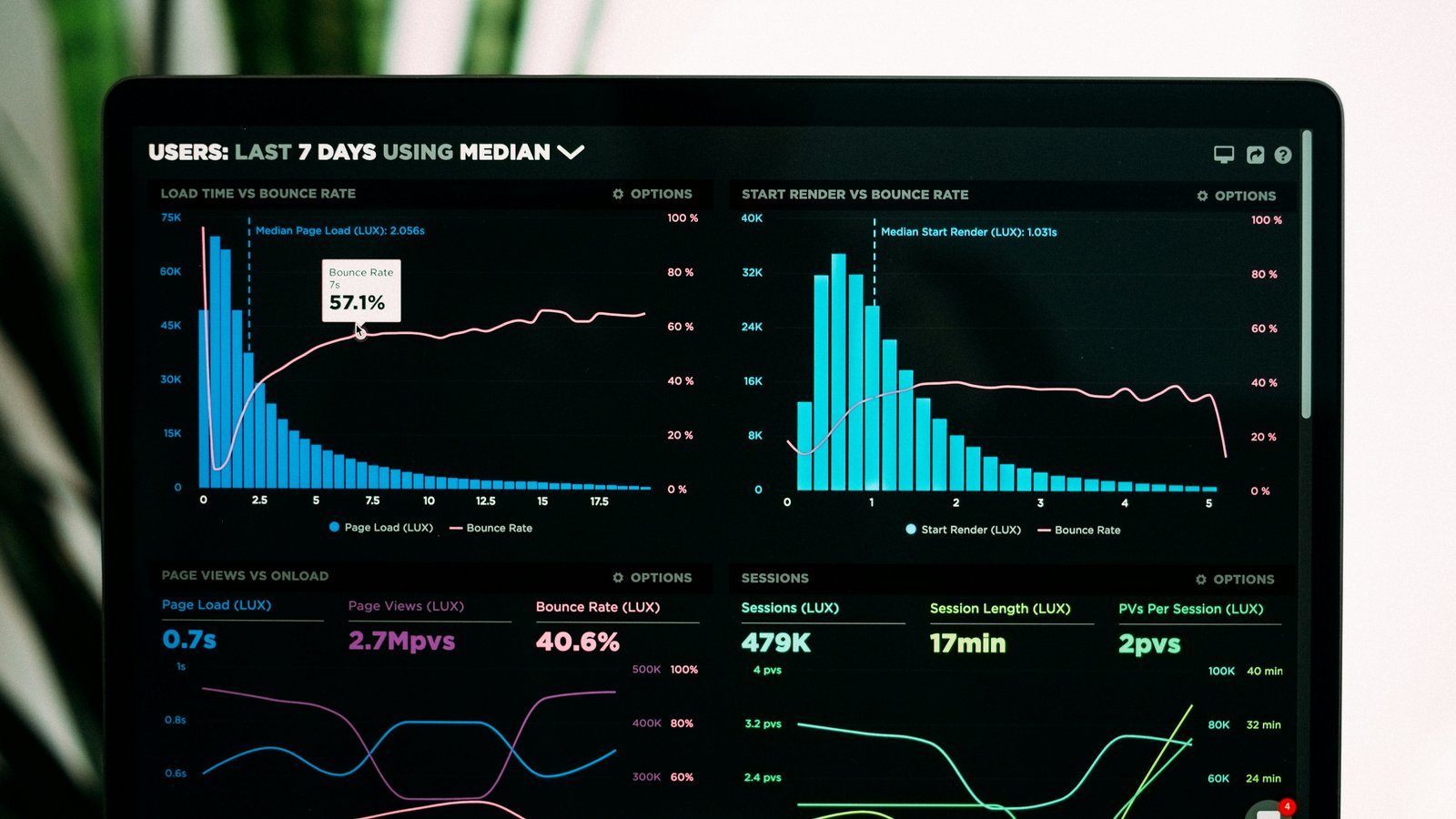
GEO success is not ranking but being cited in AI answers. Build a DIY monitoring dashboard with four core metrics, per-engine sampling and an accuracy check.

A 90-day battle plan for enterprise GEO: audit and rewrite existing pages, ship GEO-native content, and measure AI citation rate using the four CITE levers.

GEO in healthcare and finance is less about whether to do it than whether it breaks rules: YMYL, four medical E-E-A-T elements, finance limits, three red lines.

Win AI-search citations by becoming a verifiable entity. This guide explains E-E-A-T, entity and author signals, and a 12-point enterprise self-check.

Content optimization in 2026 serves users and AI: align intent, build E-E-A-T, use snippet structure, raise information density, refresh to earn rankings.

Core Web Vitals (LCP, INP, CLS) are a ranking tiebreaker. Targets: LCP

AI search in 2026: ChatGPT 1.1B MAU and Chinese AI apps 446M as traffic shifts to AI answers. See the landscape and why GEO is the new ticket for brands.

AI search rewrote SEO: zero-click ~60% of searches, AI Overviews cut CTR 34–61%, cited brands gain 35% organic and 91% paid clicks. Get the 2026 playbook.

Google does not penalize AI use, but scaling low-value AI content triggers spam policy. Learn disclosure templates, IPTC metadata, and a 3-red-line self-check.

Mobile search is shaped by screen, input cost and network. Compare in-app vs H5 retrieval and use our KPI baseline to tune entry, autocomplete and zero results.
