


What Is Site Search? How It Works, Core Metrics and Capability Framework
Site search explained: how the four-stage pipeline works, the seven metrics that matter, and the intent, retrieval and operations capabilities behind it.
Sep 10, 2026
Site search explained: how the four-stage pipeline works, the seven metrics that matter, and the intent, retrieval and operations capabilities behind it.

How personalized recommendation algorithms evolved: collaborative filtering, matrix factorization and deep learning, explained with metrics and rollout tiers.

Learn how recommendation systems use retrieval, ranking, and re-ranking to narrow millions of candidates into relevant results under tight latency limits.

Learn where AI search traffic comes from, how five citation and referral entry points work, and how to build a measurable acquisition plan in 12 weeks.

New-site SEO: a 12-week 0-to-1 path across four phases — technical foundation, keyword architecture, content production, authority building — with weekly tasks.
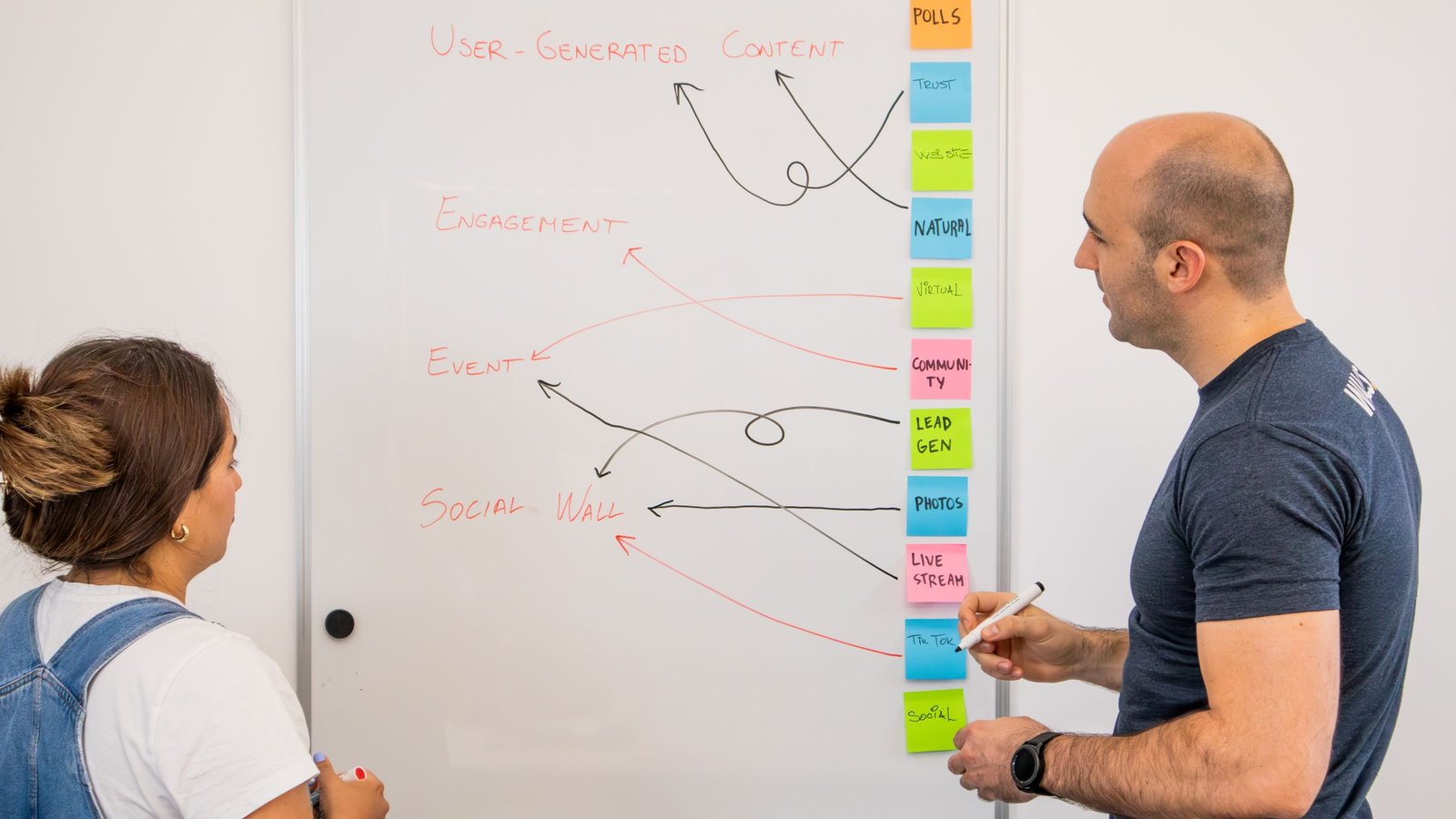
Use this practical 7-step GEO framework to improve AI search visibility with stronger authority, clearer structure, technical access, and entity signals.

Reranker choice is two-stage: a bi-encoder retrieves top-100 and a cross-encoder reranks to NDCG@10 = 74.30. Compare accuracy, latency and business rules.

A 16-year-old headphone maker domain shows zero SEO: authority 0, no rankings, no traffic, no backlinks. Get the SEO/GEO dual-engine fix plan with 9 P0 fixes.

Tengence dual-engine GEO + SEO audit of a kitchen equipment maker: 35 URLs, 500–2,000 visits/mo, 3 core gaps, 22 fixes to reach 5,000–10,000 visits in a year.

GEO measurement is a three-layer KPI stack: crawl health, AI citations and business outcomes. Holdout A/B, stable prompts and fixed windows isolate real gains.

A practical five-step path for enterprise AI transformation: strategic alignment, current-state assessment, a fast POC, scaled rollout and ongoing optimization.

Explains RAG retrieval and LLM pipelines in AI search, compares ChatGPT, Claude, and Perplexity, and gives a GEO roadmap for structured data and citations.

SEO fights for search rankings; GEO fights for AI-answer citations. This table compares them across nine dimensions and gives budget and execution-order advice.

RAG hallucination is a pipeline problem: fix recall and chunking, enforce citation-bound answers and abstention, then regress faithfulness on a fixed eval set.

Three tools, three questions: who arrived, what users did, how results reconcile. Compare analytic units and windows, then align them on one metric dictionary.

Vector vs keyword search isn't either/or. BM25 for exact terms; vectors for synonyms. Hybrid retrieval is the default—BEIR nDCG@10 +5–15% over either alone.

AI-search 2026 changes: answers as default, citations replace clicks, budgets go two-track, platforms split, deals close, measurement lags — plus action plan.

A data-backed comparison of the Tengence AI platform and traditional SEO agencies on cost, speed, ROI and fit, with real cases and a practical selection guide.

Enterprise AI is stuck in performative AI: 90% launch GenAI pilots, under 41% reach production, ~5% move the P&L. We map the valley and a 3-tier ROI framework.

A vertical e-commerce platform grew organic traffic 200% in 6 months, cut organic CAC 62%, raised ROI 168%. Full diagnosis, strategy, and execution data.

Natural-language query turns BI into conversational analytics. We compare ThoughtSpot, Power BI, Tableau, Qlik and Looker on capability and semantic layer.

E-commerce conversion rate optimization from traffic to checkout: funnel analysis, landing pages, purchase flow, win-back, A/B testing, and ROI measurement.
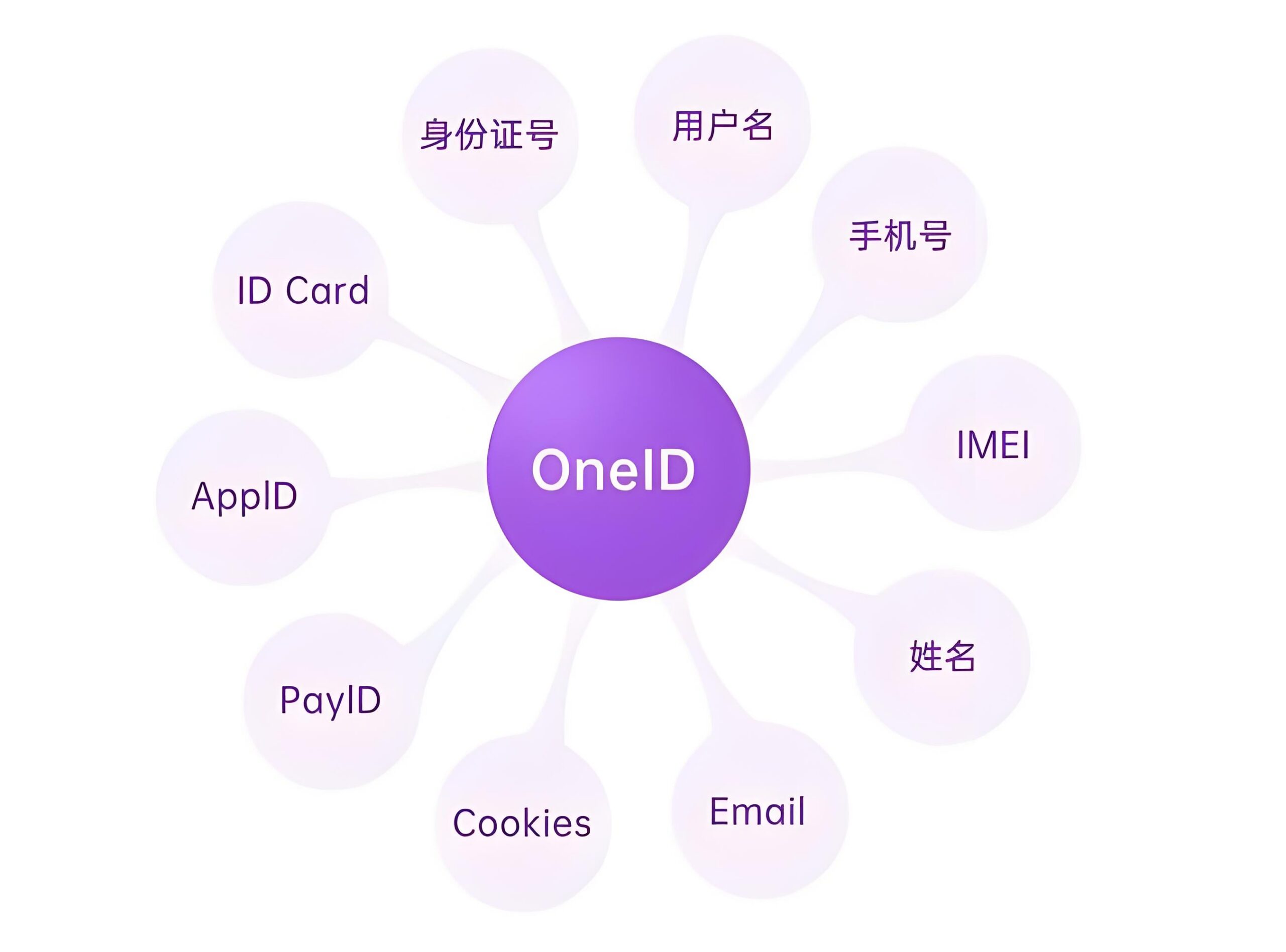
OneID turns devices, accounts and contact points into nodes and verified links into edges, then merges them with union-find. See the tables and privacy rules.

GEO (generative engine optimization) gets content selected, extracted, and cited in AI answers. Learn the definition, mechanics, and how it differs from SEO.

Five proven CTR optimization tactics: headline formulas, description copy, rich media, A/B testing and monitoring, to lift ad click-through rate by 30% or more.

Choosing a knowledge-base QA system hinges on retrieval, not the model. Compare build vs buy on cost, capability and time to value, with a team framework.

Enterprise data analysis made practical: four analysis layers, funnel, attribution, retention and segmentation methods, dashboard design, alerting, and ROI.

Unifying e-commerce search and recommendations: one data layer, shared algorithms, an 8-week rollout plan, and case results of +61% search conversion lift.

Product page SEO is a five-part checklist: title, description, Product structured data, crawlability and AI visibility. Make each SKU a parseable entity.

See how the Tengence recommendation system lifts e-commerce CTR, CVR and GMV with real-time personalization, hybrid algorithms and a recall-to-rerank pipeline.

Learn the 5 keys to site search optimization, from speed and relevance to error correction, ranking, and mobile UX, with metrics from a Tengence case study.

Compare MTA, MMM and unified attribution on data needs, cost and team fit, then see how a data platform turns attribution results into budget decisions.

See how Tengence combined SEO and GEO to grow monthly search traffic by 300%, lift conversion by 152%, and reduce customer acquisition costs by 64% overall.

A practical guide to designing an ecommerce user tag system: a three-tier structure, 72 tags across six domains, scoring rules, refresh cadence, and governance.

Tengence GEO pairs GEO and SEO in one dual engine, lifting Google rankings and AI citation rates for global brands. See the 12-week case, metrics, and rollout.
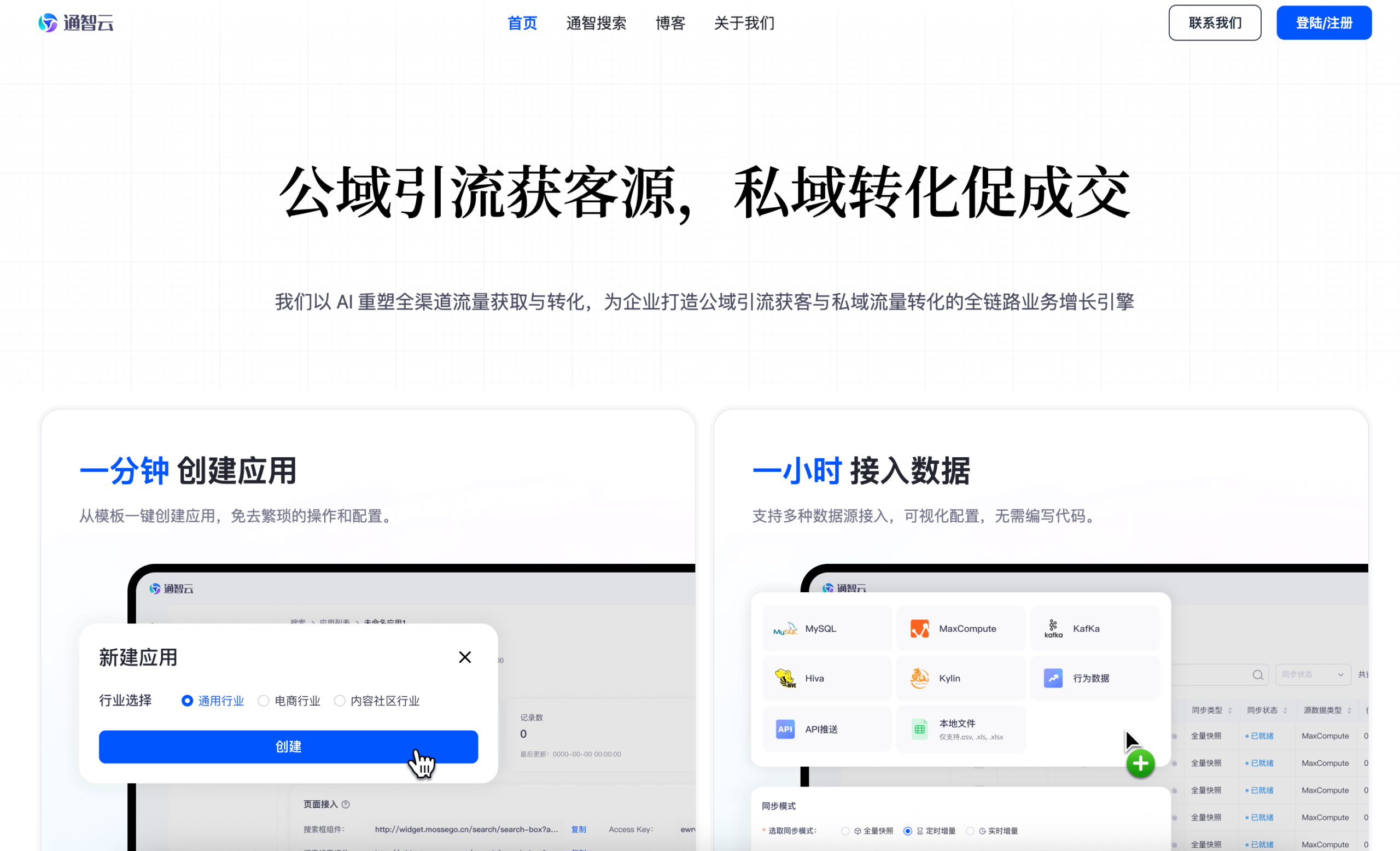
TENGENCE Cloud is an AI-driven growth engine. Its GEO+SEO dual engine builds visibility in search and AI answers; TENGENCE Search turns site search into revenue

SEO still wins high-intent traffic, but algorithms now read meaning instead of keywords. See how Tengence lifted organic search traffic 186% and cut CAC 64%.

Compare Algolia, Typesense, Meilisearch and self-hosted search on query understanding, ranking, cost and operations, with a framework by scale and team.

Traffic conversion rates stay low when demand, routing and response break down. This five-step AI playbook lifted conversion 258% and cut acquisition cost 61%.

Scale content output with a measurable pipeline: a metric dictionary, dashboards, funnels and report automation, plus a role-based workflow for small teams.
Learn how Tengence quotas work: what is included, how to check usage, how call, token and storage overages are billed, and four practical ways to control cost.

Set up Tengence Search in four steps: create an app, configure the index, build it, then integrate via the API or a page component. Practical walkthrough.

Tengence Data Center guide: create API Push, MySQL, and behavior datasets, configure sync modes and field mapping, manage data with semantic tags and previews.

Make TikTok Shop product cards and content discoverable with structured data, multilingual signals and AI visibility, using a five-part checklist and GEO + SEO.

Brand entity consistency lets AI engines cite you. Lock one canonical name and keep attributes identical across your site, Wikidata, and AI knowledge bases.

Tengence Search API: Bearer-token auth and POST /v1/search, with query, page, size, filters, aggregations and sortFields, operators, response fields, and curl/JS/Python exampl
